





The Invisible Attack on Your Skin
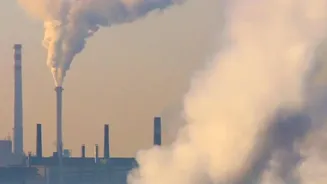
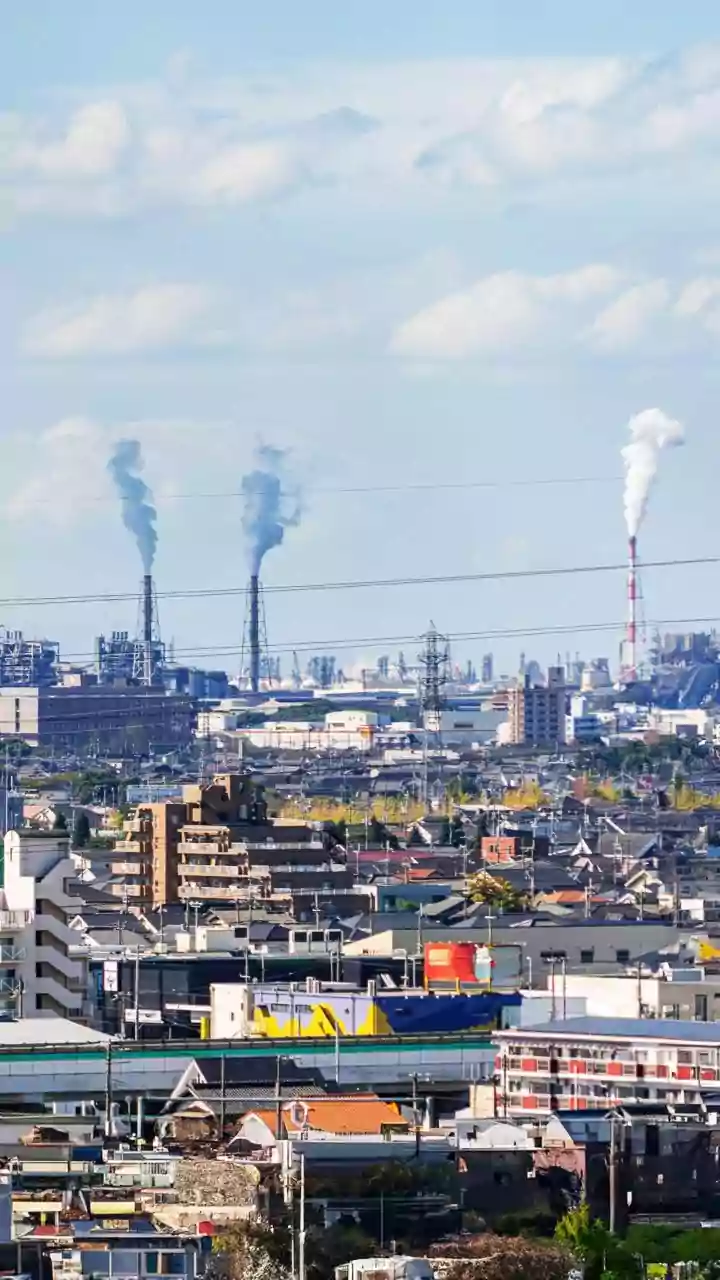
When we talk about pollution, we're referring to a cocktail of invisible aggressors. The main culprits affecting skin are particulate matter (PM), ozone (O3), polycyclic aromatic hydrocarbons (PAHs), and nitrogen oxides. These tiny particles, often from
vehicle exhaust and industrial emissions, are small enough to penetrate the skin's outer layers. This penetration triggers a process called oxidative stress, where harmful molecules known as free radicals attack healthy skin cells. Doctors explain this process is similar to the damage caused by UV light, effectively breaking down the essential proteins that keep skin firm and youthful.
From Smog to Wrinkles and Spots
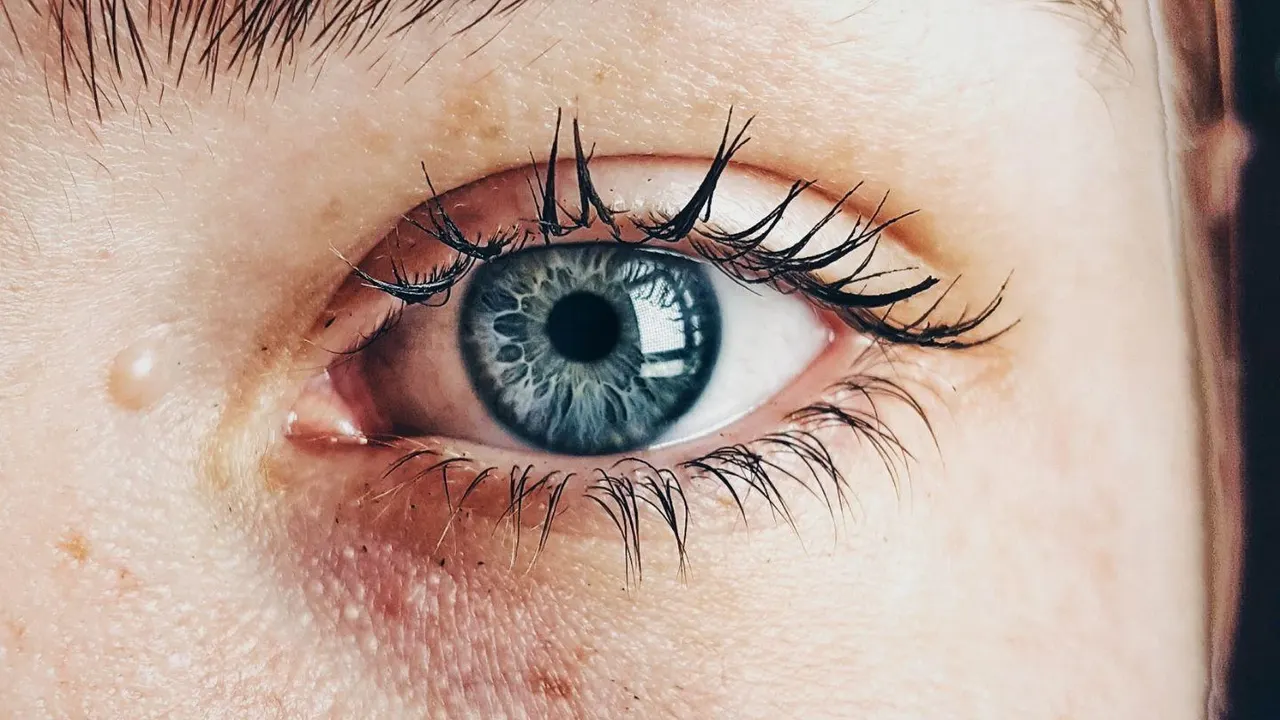
The long-term result of this cellular damage becomes visible on your face. Dermatologists directly link air pollution to an increase in premature signs of ageing. This includes the formation of wrinkles, particularly around the nose and mouth, and a noticeable loss of elasticity, which leads to sagging skin. One of the most-cited effects is hyperpigmentation, or the development of dark spots, also known as lentigines. Studies have shown that women living in areas with high pollution see more dark spots and wrinkles than their counterparts in cleaner environments. Furthermore, pollution can worsen inflammatory conditions like eczema, rosacea, and acne.
Your First Line of Defence: Cleansing
The most crucial first step in any anti-pollution skincare routine, according to experts, is thorough cleansing. It's essential to wash away the pollutant particles that accumulate on your skin throughout the day before they can cause deeper damage. Many dermatologists recommend a 'double cleanse' in the evening. This involves first using an oil-based cleanser to break down makeup and oily impurities, followed by a gentle, water-based cleanser to wash everything away without stripping the skin of its natural, protective oils. This ensures your skin is a clean slate, ready to repair itself overnight.
Neutralise Damage with Antioxidants
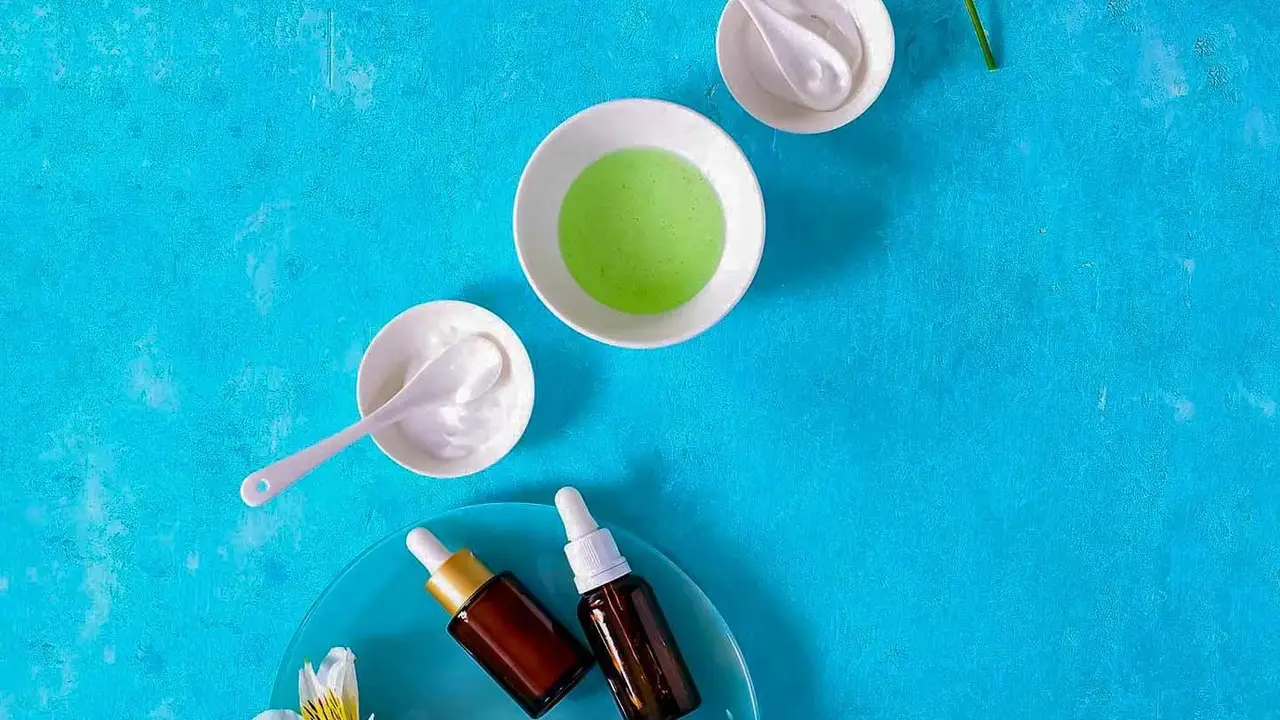
Since pollution's primary method of attack is oxidative stress, antioxidants are your skin's best friends for defence and repair. These powerful ingredients work by neutralising the free radicals that damage skin cells. Vitamin C is a top-recommended antioxidant by dermatologists; it not only protects but also helps to brighten the skin and support collagen production. Other potent antioxidants include Vitamin E, niacinamide (a form of Vitamin B3), ferulic acid, and green tea extract. Applying a serum containing these ingredients in the morning provides a protective shield for the day ahead.
Strengthen Your Shield with Barriers and SPF
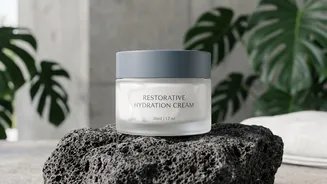
A strong, healthy skin barrier is less susceptible to pollutants. Moisturising is key to maintaining this barrier. Look for ingredients like ceramides and hyaluronic acid, which help to repair the barrier and lock in hydration, preventing dryness and sensitivity. Finally, sunscreen is non-negotiable. While its main job is to block UV rays, it also plays a critical role in an anti-pollution strategy. UV radiation can actually amplify the damaging effects of pollutants. Using a broad-spectrum sunscreen with at least SPF 30 every day provides an essential physical shield against environmental aggressors.