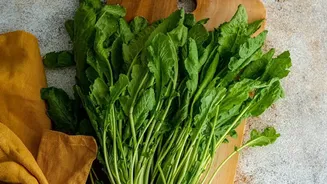








More Than Just Spinach
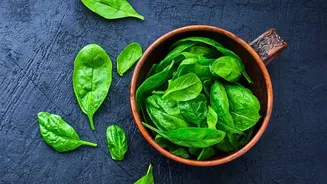
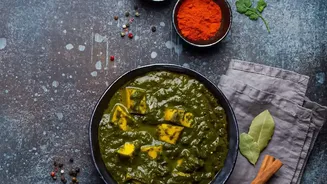
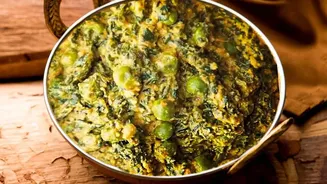
When we say 'saag,' many think of palak (spinach), but the term simply means 'leafy greens'. Traditional preparations, especially the famed Sarson da Saag from Punjab, use a robust mix of mustard greens (sarson), spinach (palak), fenugreek (methi), and
bathua (chenopodium or white goosefoot). This blend is the secret to its complex flavour and dense nutritional profile. Each green brings its own unique properties, creating a dish that is far more than the sum of its parts. Sarson provides a peppery bite, palak adds a milder, earthy base, and bathua contributes a slightly tangy note. This variety isn't just for taste; it delivers a wider range of nutrients than any single green could provide on its own.
A Genuine Nutritional Powerhouse
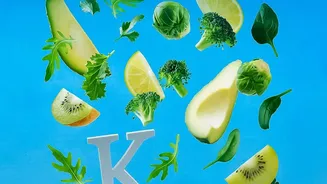
Let's talk facts. Leafy greens are packed with essential vitamins and minerals. Saag is an exceptionally rich source of Vitamin K, which is crucial for bone health and proper blood clotting. A single serving can provide a huge portion of your daily needs. It's also loaded with Vitamin A, vital for vision and immune function, and Vitamin C, a powerful antioxidant that supports the immune system and skin health. Beyond vitamins, saag provides important minerals like iron, which combats anaemia; calcium for bones; and potassium, which is beneficial for heart health. Furthermore, it is naturally high in dietary fibre, which aids digestion, promotes a feeling of fullness, and can help manage weight.
Setting the Record Straight on 'Miracle' Claims
You have likely seen headlines calling leafy greens a 'superfood' that can 'detoxify' your body or even prevent major diseases. While greens are incredibly healthy, these claims are often overblown. Nutrients like sulphoraphanes in greens do support the liver's natural detoxification processes, but they are not a magic 'cleanse'. Similarly, while antioxidants in saag help protect cells from damage that can lead to chronic disease over time, no single food can prevent cancer or heart disease on its own. The idea that raw greens are always better is also a myth; cooking can actually make some nutrients, like beta-carotene, more available to your body. The real magic lies in consistently including nutrient-dense foods like saag as part of a varied and balanced diet.
The Preparation Pitfall
The health benefits of saag's leafy greens can be easily undermined by how it's prepared. Traditional recipes often call for generous amounts of ghee, butter, and cream to create a rich, velvety texture. While delicious, this can dramatically increase the calorie and saturated fat content of the dish, turning a low-calorie vegetable base into a heavy meal. For instance, while plain cooked greens are very low in fat and calories, a restaurant-style saag can derive over 50% of its calories from fat. The key is to be mindful of these additions, which can overshadow the inherent goodness of the greens themselves.
How to Cook a Healthier Saag
Enjoying saag without the guilt is simple. Start by moderating the fat. A small amount of ghee or oil is actually beneficial, as it helps your body absorb fat-soluble vitamins like A and K. Instead of finishing with heavy cream, try a spoonful of plain yogurt or a splash of coconut milk for a creamy texture with less saturated fat. You can also make a flavourful tadka with onions, garlic, ginger, and spices in a minimal amount of oil to infuse the dish with taste. Don't overcook the greens to a pulp; a shorter cooking time helps preserve heat-sensitive vitamins like Vitamin C. Finally, pair your saag with whole-grain options like makki di roti, brown rice, or quinoa for a complete, fibre-rich meal.