





A New Frontier in the Himalayas
In a significant move for ecotourism, Ladakh's Lieutenant Governor, Vinai Kumar Saxena, has given the green light for guided wildlife safaris across the union territory's breathtaking landscapes. The decision, made during the first meeting of the newly
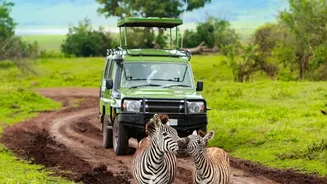
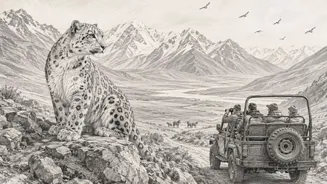
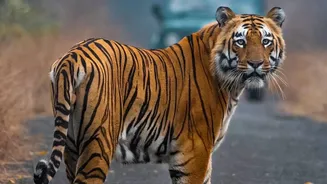
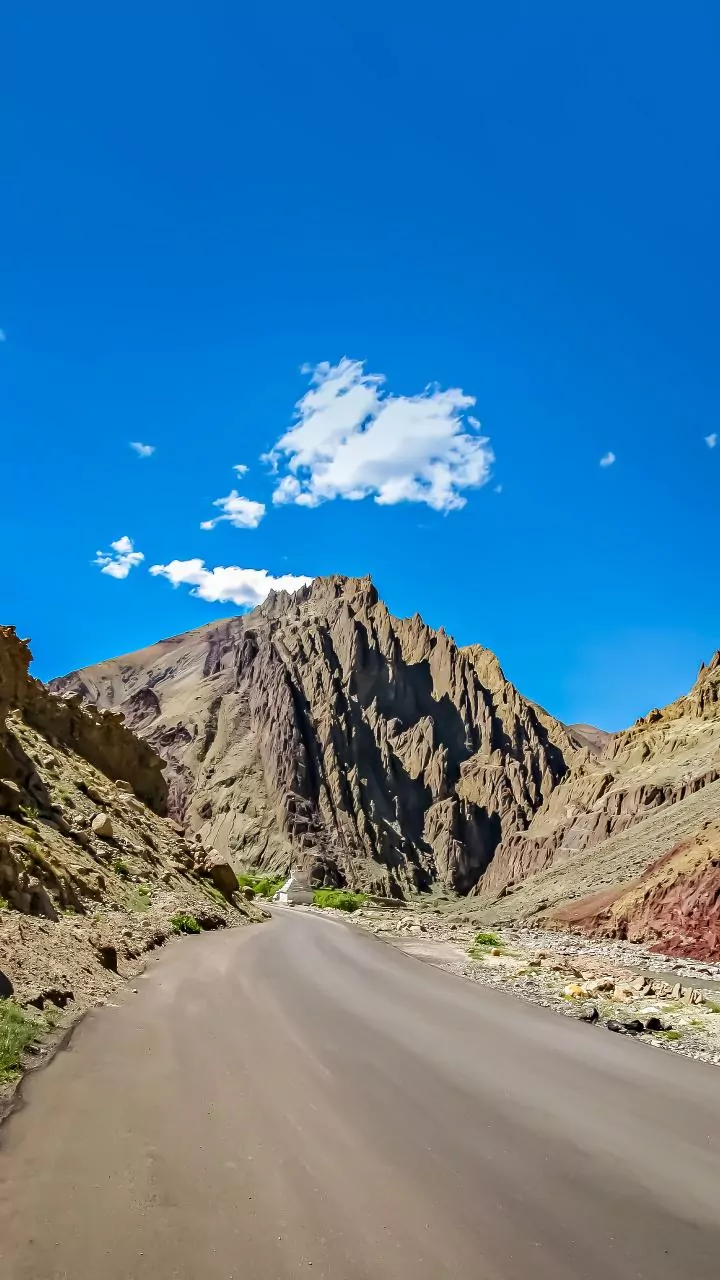
formed Snow Leopard and High-Altitude Nature (SHAN) Conservation Society, paves the way for what will be a landmark project for India. The safari will operate in a manner similar to established national parks like Kaziranga and Ranthambore, using specially designed open-back vehicles. However, instead of dense forests, visitors will traverse the majestic, cold-desert mountains of the Himalayas. The plan involves exploring routes across Hemis National Park, Changthang and Karakoram Wildlife Sanctuaries, and other wildlife-rich areas including Nubra, Zanskar, and Kargil.
In the Land of the 'Ghost of the Mountain'
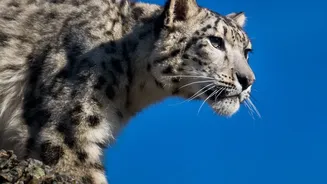
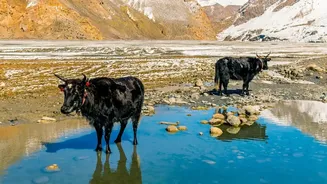
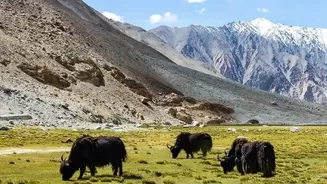
The star attraction is undoubtedly the elusive snow leopard, often called the 'ghost of the mountain' for its incredible camouflage and shy nature. Ladakh is a critical habitat for this magnificent creature, hosting an estimated 477 of India's total population of 718 snow leopards. This initiative provides a structured and responsible way for enthusiasts to potentially sight one. Beyond the snow leopard, the region's biodiversity is staggering. Ladakh is home to over 38 mammal species, including the Tibetan wolf and the Himalayan brown bear, and around 340 species of birds, making it a prime destination for birdwatchers. The safari aims to highlight this rich natural heritage, with specific trails dedicated to birdwatching and plans to establish dedicated birding hides.
More Than Just a Safari
This project is designed with a dual purpose: promoting tourism while ensuring conservation and community upliftment. The SHAN Conservation Society's mandate is to create a model where local communities are active partners. The initiative aims to curb illegal off-roading, which often disturbs the fragile ecosystem and its inhabitants, by providing a regulated alternative. A core component of the plan involves training local people. The administration will train 20 local youths in birdwatching and wildlife interpretation, equipping them to work as guides. This not only creates sustainable livelihood opportunities but also ensures that those with intimate knowledge of the land are at the forefront of the experience. The project also includes broader environmental goals, such as installing waste bins in villages and launching a plastic-free tourism campaign.
The Road Ahead
With administrative approval secured, the Forest Department has been directed to finalize the safari routes and complete all necessary preparations. The goal is to have the safaris operational before the start of this winter's snow leopard sighting season, which typically runs from November to April. While bookings are not yet open, the announcement marks a concrete step towards making this ambitious project a reality. For wildlife lovers, it signifies a new, must-visit destination on the Indian map. For Ladakh, it represents a thoughtful approach to balancing economic growth with the preservation of its unique and fragile natural environment. The success of this safari could set a global benchmark for responsible, high-altitude ecotourism.