







What is the Tougher US Proposal?
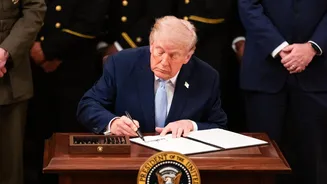
The United States has enacted new legislation, the Lindsey O. Graham Sanctioning Russia and Iran Act of 2026, which gives the US President the authority to impose tariffs of up to 100% on goods from countries that are major importers of Russian oil and gas.
Signed into law on September 18, 2026, the proposal doesn't trigger automatic penalties but creates a powerful tool for the White House to pressure key buyers of Russian energy, including India and China. The stated goal is to choke off Russia's revenue, which funds its ongoing war in Ukraine. This move marks a significant escalation from previous measures like the G7 price cap, as it shifts from targeting the price of oil to punishing the buyers themselves with potentially crippling trade tariffs.
India's High Stakes in Russian Oil
Since 2022, India has become one of the largest importers of seaborne Russian crude oil, second only to China. This was a strategic economic decision. As Western nations shunned Russian energy, Moscow offered significant discounts, which New Delhi eagerly accepted to cushion its 1.4 billion citizens from volatile global energy prices and manage domestic inflation. India, which imports over 85% of its crude oil needs, has consistently defended these purchases as essential for its national energy security. At times, Russia has supplied over half of India's total oil imports, saving Indian refiners billions of dollars. This affordable energy has been crucial, especially with supply disruptions in the Middle East making other sources more expensive and harder to secure.
A Diplomatic and Economic Tightrope
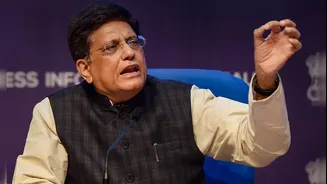
The new US law forces India into a difficult diplomatic balancing act. New Delhi has long pursued a foreign policy of "strategic autonomy," maintaining strong relationships with both Western powers and traditional partners like Russia. This latest move from Washington directly challenges that position. The Indian government is officially studying the legislation, with Commerce Minister Piyush Goyal stating that the details are being examined. However, officials have also warned that such measures could negatively impact India-US bilateral ties. Some Indian state-owned refiners have reportedly begun preparing to reduce Russian oil purchases and are looking for alternative supplies amid the uncertainty, a move that could prove costly as other grades of crude are currently more expensive.
The Potential Fallout for India
If India is forced to significantly reduce its intake of Russian oil, the economic consequences could be severe. Finding replacements for such a large volume of crude would be challenging and expensive, especially with a squeezed global market. The cost of alternative crudes from the Middle East, Africa, or the Americas is currently higher than Russian Urals. This would likely lead to an increase in India's overall import bill, putting pressure on the country's finances and potentially leading to higher fuel prices for consumers—a politically sensitive issue. Historical data shows that India has previously complied with US pressure to reduce oil imports from sanctioned nations like Iran and Venezuela, but it has also ramped up purchases as soon as restrictions were eased, highlighting the constant tension between its economic needs and geopolitical pressures.