






A Once-in-a-Century Discovery
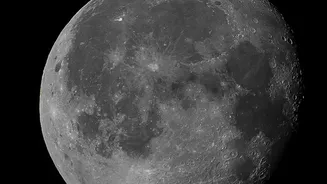
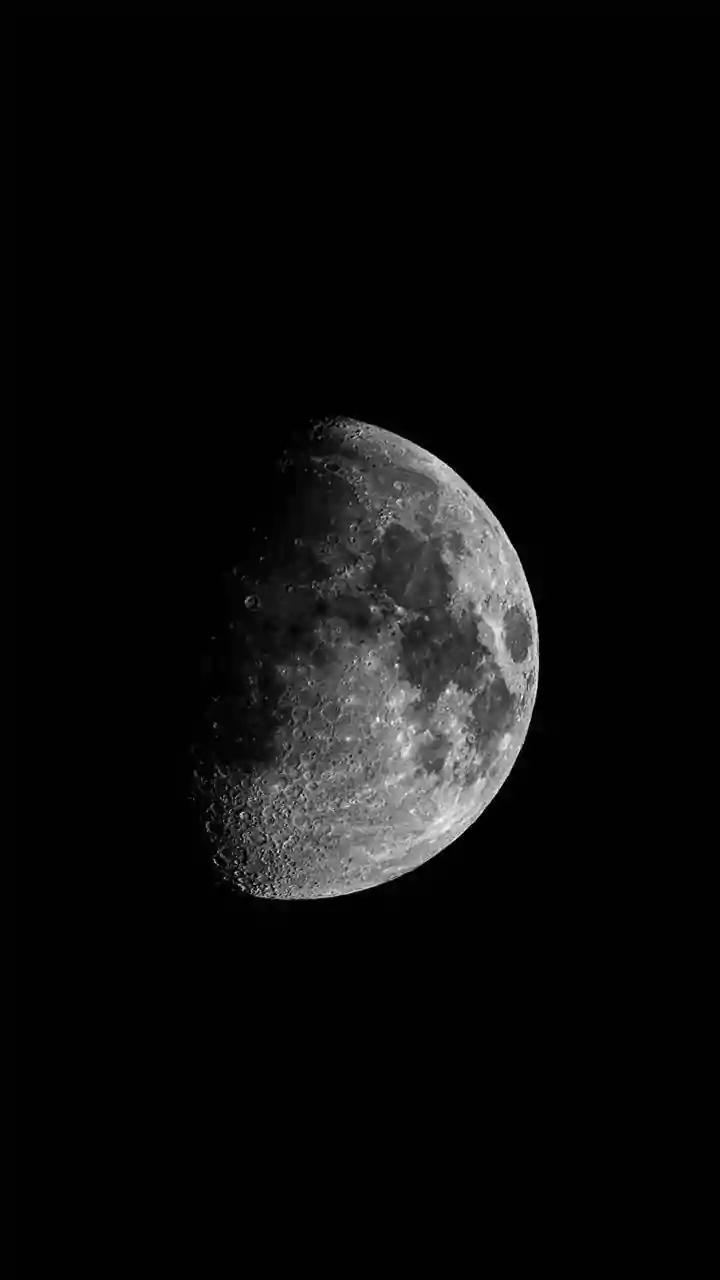
In the world of planetary science, change usually happens over millions of years. But sometime between April and May of 2024, a rogue asteroid or comet fragment, estimated to be the size of a three-to-six-story building, slammed into the Moon. The result
is a spectacular new feature named McGetchin crater, after the pioneering lunar scientist Thomas McGetchin. This isn't just any new pockmark; at 222 meters (about 728 feet) wide, it's the largest newly formed crater discovered on the Moon during the 17 years the Lunar Reconnaissance Orbiter (LRO) has been watching. In fact, reports confirm it is three times larger than the previous record-holder for a new crater found by the LRO. Events of this magnitude are estimated to happen only once every 132 years, making this a truly rare and valuable scientific discovery.
How a Hidden Impact Was Found
Remarkably, no one saw the impact happen in real-time. It was discovered over a year later, in the late summer of 2025, by Robert Wagner, an image-processing specialist who was performing a routine data check. While comparing new and old wide-angle images of the lunar surface, he spotted an unusually bright area surrounded by a dark halo, a tell-tale sign of a recent impact that had disturbed the surface. "I just stopped, dropped everything, and started looking into what that spot was," Wagner said in a press release. Follow-up observations with LRO's high-resolution cameras confirmed the finding, revealing the fresh, steep-walled crater in stunning detail. The discovery, published in two new studies in the journal Science Advances, showcases the incredible value of having a long-term robotic presence monitoring our celestial neighbour.
Putting the Scale in Perspective
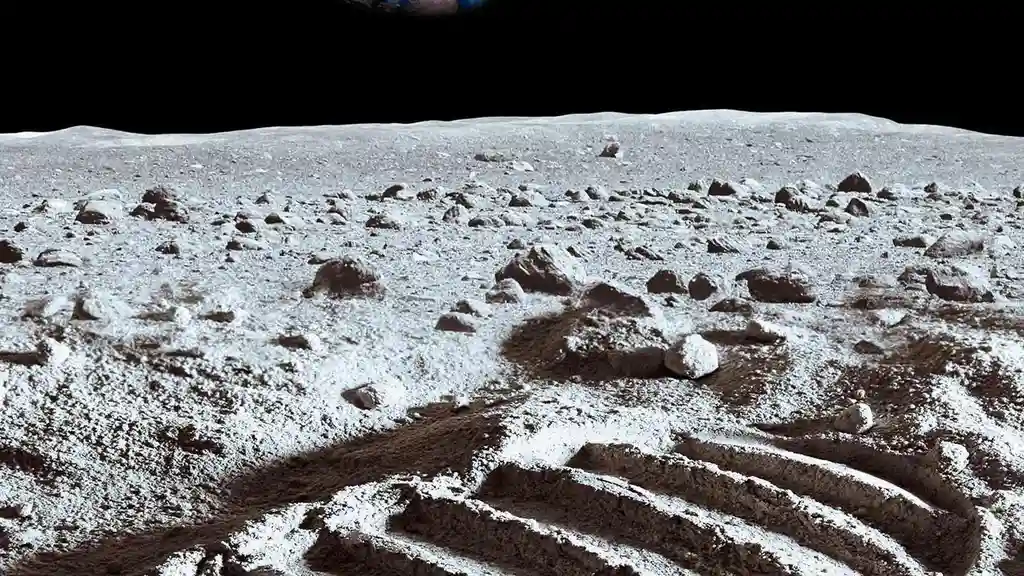
It can be difficult to grasp the size of lunar features, but McGetchin is impressively large. At 222 meters across, it's wider than two football fields laid end-to-end. Its depth of 43 meters (141 feet) means you could easily stack three school buses vertically inside it. To offer another comparison, Rome's famous Colosseum, which measures 189 meters on its widest axis, would fit comfortably inside the new lunar crater. But the impact's effects extend far beyond the crater's rim. Debris was thrown across the lunar surface for over 100 kilometers. Furthermore, thermal instruments on the LRO detected a seven-kilometer-wide (about 4.3 miles) "cold spot" around the impact site, where the collision literally fluffed up the lunar soil, making it less able to retain heat.
Rewriting Our Understanding of Impacts
This discovery is far more than just a new record. Because the crater is so fresh, it gives scientists an unprecedented look at the immediate aftermath of a significant impact. It's a natural laboratory for studying a process that shaped our entire solar system. The observations are already challenging old models. For example, the way dust and rock were thrown from the impact site suggests material was ejected at a much higher angle than scientists previously thought was typical. This has real-world implications for future lunar missions, including India's own ambitious space program. Understanding how far and how fast debris travels from an impact is crucial for designing and protecting future lunar bases, habitats, and rovers for astronauts. The data from McGetchin will provide invaluable ground truth for ensuring the safety of long-term assets on the Moon.