




A Station on the Edge of a Nation
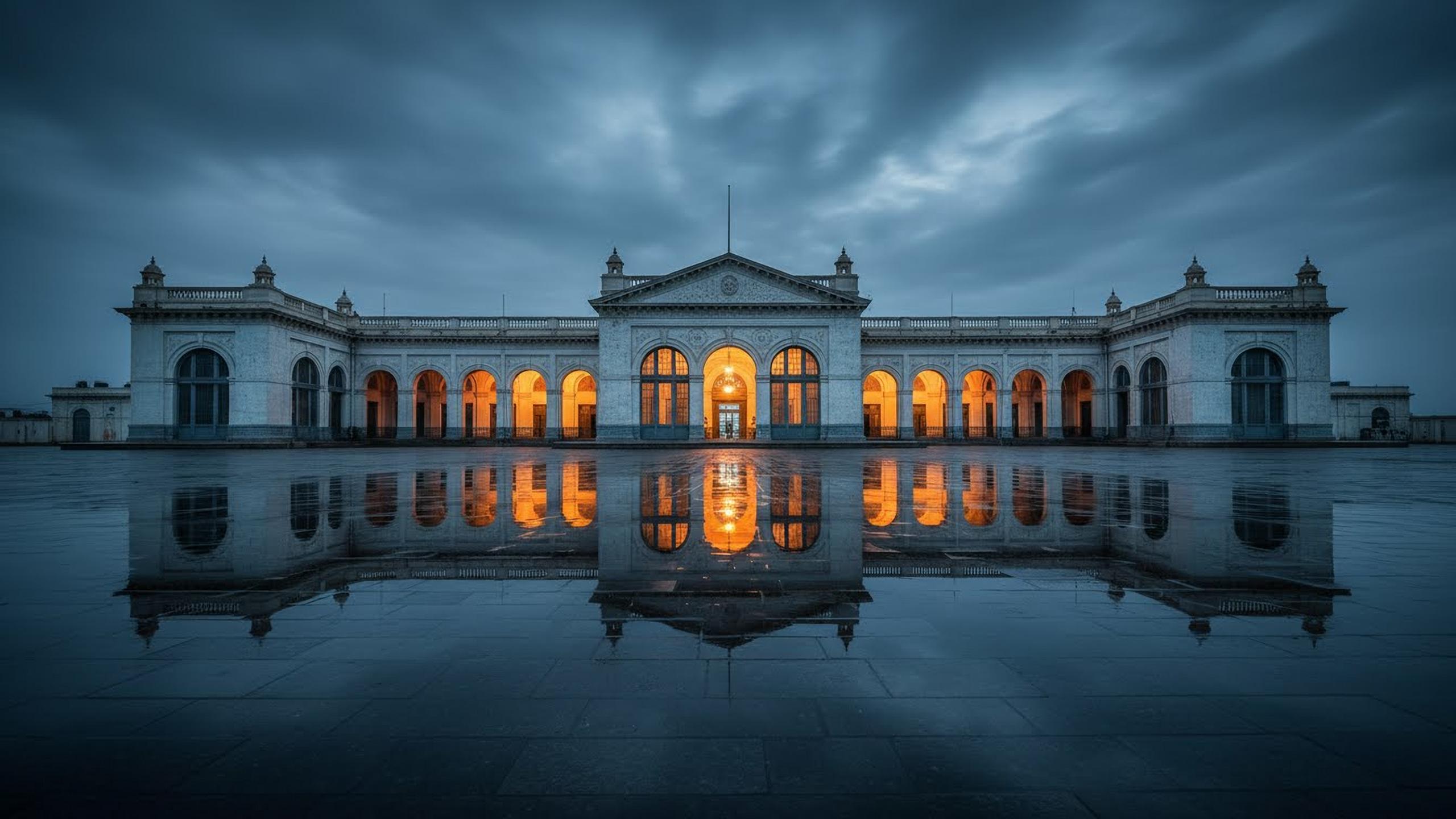
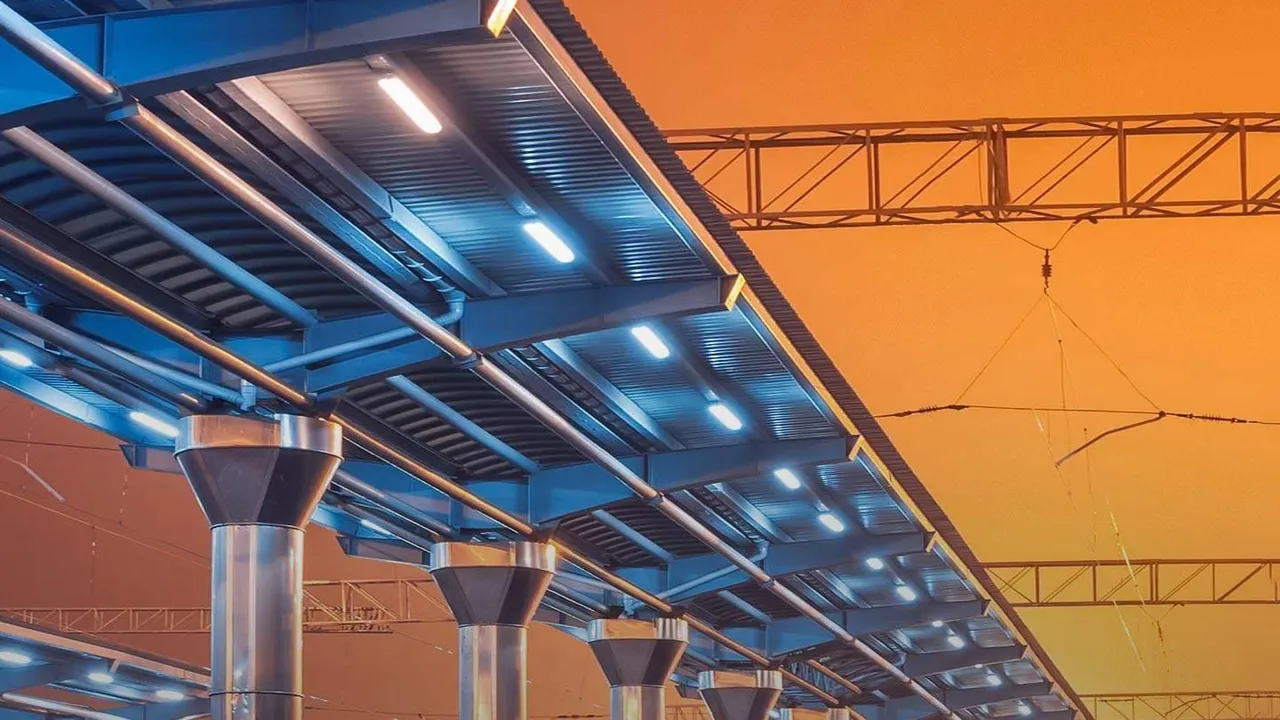
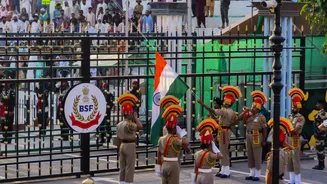
Located in Punjab's Amritsar district, Attari is the last railway stop on Indian soil on the line to Lahore, Pakistan. Even when no trains are scheduled, the station is a high-security zone, with armed personnel and constant surveillance. Unlike any other
station in the country, passengers historically needed both a passport and a valid visa just to be on the platform, a stark reminder of its unique geopolitical position. For decades, this station was not a destination but a transition point, the place where India handed over responsibility for the train journey to Pakistan, just three kilometres away at the Wagah border.
Echoes of a United Past
Before 1947, this railway line was an artery in the heart of undivided Punjab. The Amritsar-Lahore section, completed in 1862, was part of a larger network built by the British to connect the subcontinent. It facilitated the movement of goods, people, and troops, with Lahore serving as a major junction for the North Western Railway. In those days, Attari was just another stop on a busy domestic route, a seamless link in a chain that stretched from Delhi to Lahore and beyond. It represented a period of shared infrastructure and integrated regional economy, a reality that would be shattered by the stroke of a pen.
The Scars of Partition
The Partition of India in 1947 transformed Attari overnight. From an ordinary station, it became a border post and a frontline witness to one of the greatest and most violent migrations in human history. The railway lines that once united the region became conduits of immense suffering. Trains packed with refugees crossed in both directions, often arriving in eerie silence, their passengers having been attacked en route. These came to be known as 'ghost trains', and both Attari and Lahore stations were sites of unimaginable horror and loss. The station's very bricks and mortar are steeped in the memory of this traumatic separation, marking the precise point where a shared journey ended and two new, separate national stories began.
The Samjhauta Express: A Fragile Bridge of Peace
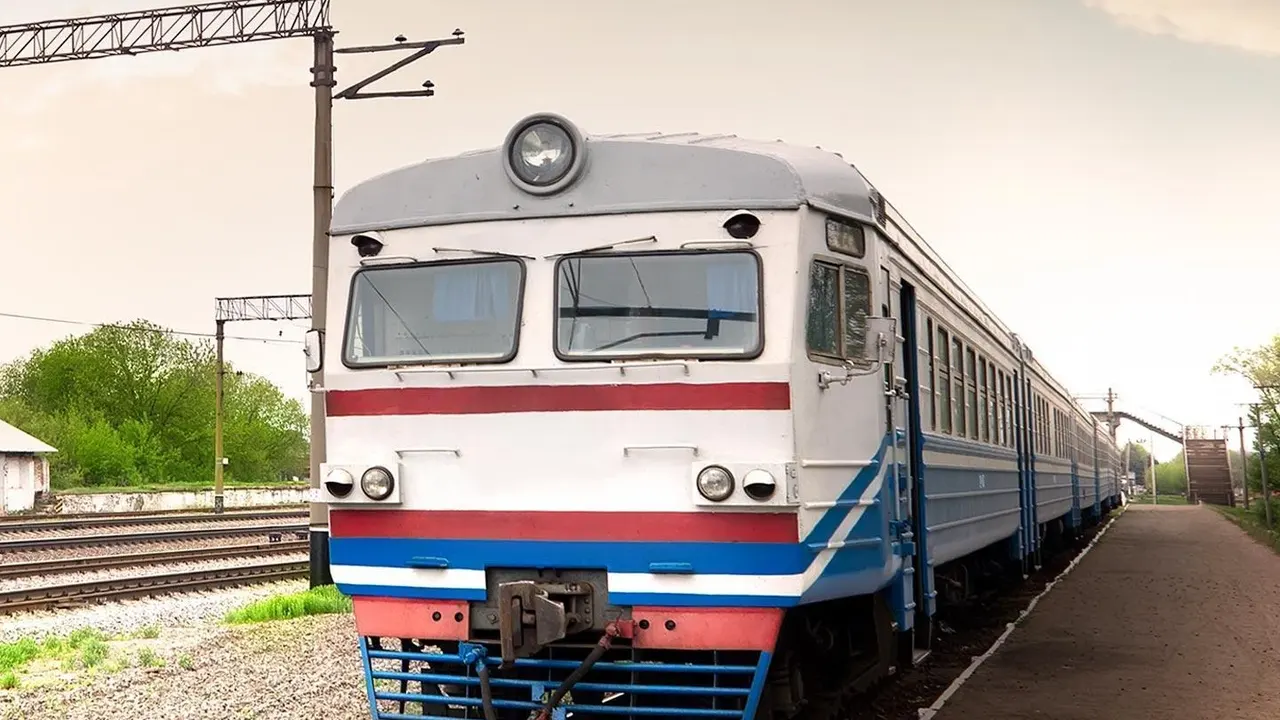
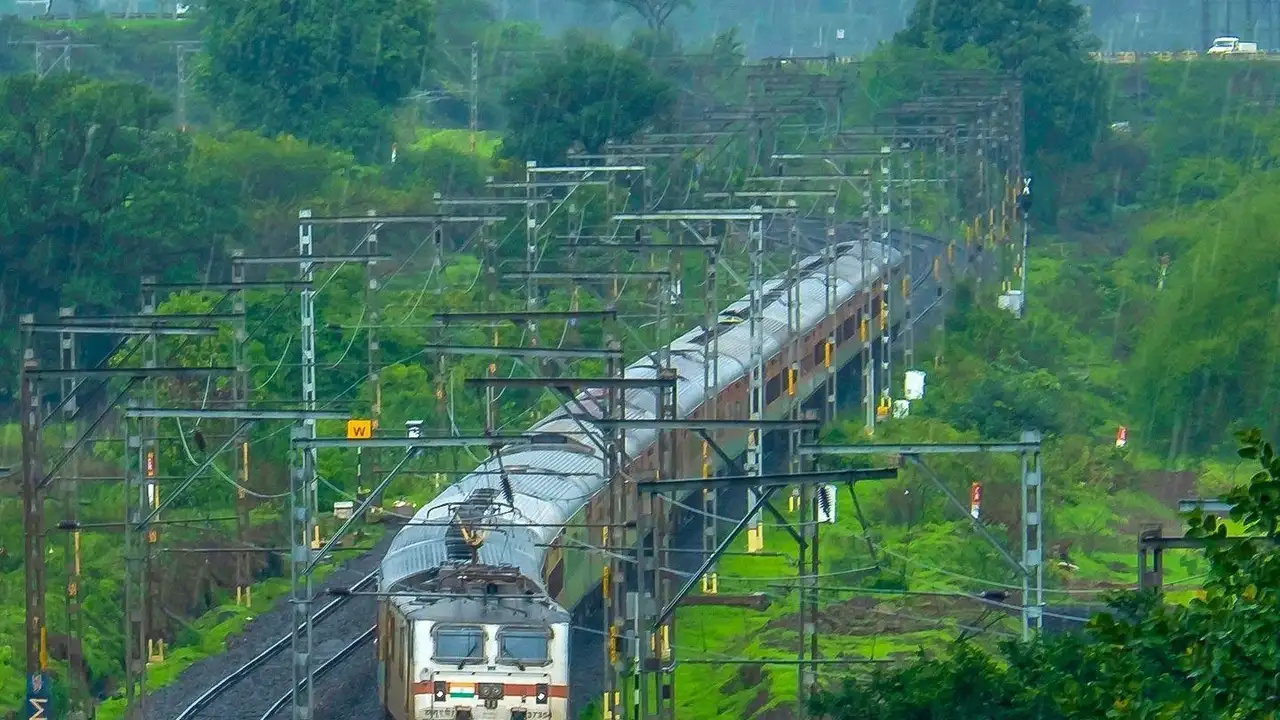
In an attempt to mend ties, the Samjhauta Express—meaning 'Agreement Express'—was launched on July 22, 1976, following the Simla Agreement. This twice-weekly train was a symbol of hope, reuniting families and enabling pilgrimages. For over four decades, it served as one of the few tangible links between the two nations. The service was a unique operational dance: for six months, a Pakistani rake would run to Attari, and for the other six, an Indian rake would make the journey. However, this bridge of peace was fragile. The service was suspended multiple times due to political tensions, including after the 2001 Parliament attack, the 2007 assassination of Benazir Bhutto, and the 2019 Pulwama attack.
An Indefinite Halt
The final suspension came on August 8, 2019, when Pakistan permanently halted the service following India's revocation of Article 370 in Jammu and Kashmir. India cancelled its corresponding Delhi-Attari service shortly after. Since then, the platforms at Attari have fallen silent. The Samjhauta Express, once a symbol of enduring connection, now sits idle. Reports from 2020 indicated that Indian train carriages were left stranded in Pakistan, and vice-versa, a physical manifestation of the diplomatic stalemate. While freight trains and the trade corridor at the Attari-Wagah border continue to function to some degree, the primary passenger link remains severed.