







The Shifting Map of Coffee Culture
The heart of India's café boom is migrating. While specialty coffee roasters once battled for every square foot in saturated metropolitan markets, a new frontier is opening up in Tier-2 and Tier-3 cities. Places like Jaipur, Lucknow, Nagpur, Indore, and Surat
are rapidly becoming hotspots for premium coffee experiences. This isn't just about national chains expanding their footprint; it's a movement driven by local entrepreneurs and independent brands who see a massive, underserved market. Brands that once focused solely on the big cities are now finding that their locations in these smaller urban centers are not just surviving, but thriving—in some cases, even outperforming their metro counterparts. The simple dynamic of supply and demand tells the story: in the metros, supply often exceeds demand, but in many smaller cities, a growing appetite for quality coffee still far outpaces the options available.
What's Fuelling the Growth?
Several powerful forces are converging to create this trend. A key factor is a fundamental shift in demographics and lifestyle. The rise of remote work and improved local opportunities mean that fewer young professionals are leaving their hometowns for the big cities. Furthermore, a wave of reverse migration, accelerated by the pandemic, has brought home a population with metropolitan tastes and a desire for the same quality experiences they enjoyed in larger cities. This returning diaspora, along with a digitally-savvy local youth exposed to global trends via social media, has created a large, aspirational consumer base. Rising disposable incomes in these regions mean that a premium cup of coffee is no longer seen as an occasional luxury but an accessible lifestyle choice. The result is a population that is primed and ready to trade up from instant coffee to a café-quality brew.
A New Breed of Entrepreneur
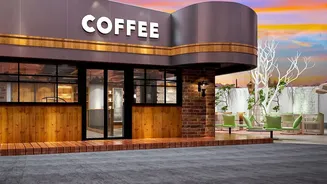
This boom is as much about the people building it as it is about the consumers. The economics of running a café in a Tier-2 city are simply more attractive. Lower rents, more manageable labour costs, and less intense competition allow for experimentation and a focus on quality that might be unviable in a high-pressure metro environment. Entrepreneurs are building larger, more inviting spaces that prioritize hospitality and community. For example, Roastery Coffee House has opened sprawling 5,000-square-foot cafes in Lucknow and Jaipur, focusing on a full-service dining experience. In Nagpur, Corridor Seven Coffee Roasters has built a loyal following through community events like coffee tastings and workshops, spending nothing on traditional marketing. These business owners understand that they aren't just selling a beverage; they are creating a 'third place'—a social hub between home and work that was often missing in the social fabric of smaller cities.
More Than Just a Drink
The social dynamic of these new cafes is distinctly different from their metropolitan cousins. Observers note that while cafes in Bengaluru or Mumbai are often filled with individuals silently working on laptops, the atmosphere in Jaipur or Lucknow is characterized by conversation and laughter. The community feeling is palpable. These spaces are becoming vital centres for socializing, meetings, and creative expression. They offer a modern, urban experience without the anonymity of a big city, fostering a sense of local pride and connection. By making the process of coffee making visible, with open brew bars and visible roasters, these cafes are also educating a new generation of consumers, turning them from casual drinkers into informed enthusiasts.