





Understanding Your Post-Fast Stomach
After nine days of fasting, your digestive system is in a different state. The Navratri fast, which typically runs from October 11 to October 19 in 2026, often involves eating lighter, specific foods like buckwheat (kuttu), water chestnut (singhara) flour,
fruits, and dairy. This period gives your digestive system a break. The production of digestive enzymes can decrease, and your gut's microbial balance shifts. Think of it as a machine that has been running on a lighter load; suddenly revving it up with heavy, complex foods can cause it to stall. This is why a gradual reintroduction of your normal diet is not just a suggestion, but a biological necessity for comfort.
The Shock of Spice and Oil
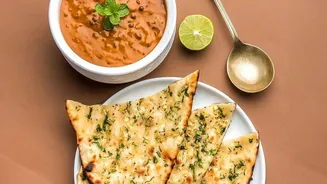
Jumping straight into a meal of chole bhature or spicy curries right after breaking your fast is a common mistake that can lead to significant discomfort. Spicy foods, especially those with high levels of capsaicin from chillies, can irritate the stomach lining, which may be more sensitive after a period of fasting. Similarly, deep-fried foods are high in fats that are difficult to digest, especially when your enzyme production is lower than usual. This sudden assault can trigger a range of unpleasant symptoms, including acid reflux, bloating, indigestion, and stomach cramps, putting a damper on your post-festival celebrations.
Your First 48 Hours: A Gentle Relaunch
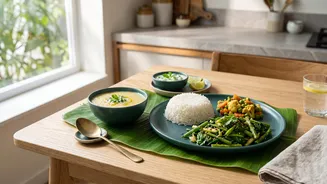
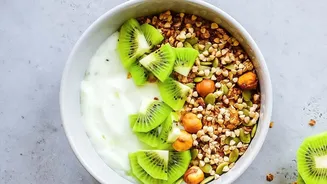
The key to a comfortable transition is to ease your body back into its regular routine. For the first day or two after Navratri, focus on light and easily digestible foods. Start by breaking your fast with hydrating options like coconut water or a small portion of fruit. For your first proper meal, opt for something soothing like a bowl of plain curd or yogurt, which contains beneficial probiotics that support gut health. A simple vegetable soup or a light dish of moong dal with rice can provide gentle nourishment without overwhelming your system. Avoid overeating; instead, have small, frequent meals to give your digestive system time to adjust.
How to Reintroduce Flavour and Spice
You don't have to eat bland food for a week, but you should reintroduce spices gradually. Instead of fiery curries, start with dishes that use digestive-friendly spices like ginger, fennel, and coriander. On the second or third day, you can slowly begin to add back onion and garlic, which are avoided during the fast. When you do decide to have something fried, make it a small portion and have it alongside a balanced meal rather than as a standalone snack. Listen to your body. If you feel any discomfort, pull back and stick to simpler foods for another day before trying again.
Hydration and Mindful Eating Are Key
Proper hydration is crucial during this transition phase. Continue to drink plenty of water, but also consider fluids like buttermilk (chaas) and lemon water, which can aid digestion. Try to drink water about half an hour before or after your meals, rather than with them, to avoid diluting digestive juices. Beyond what you eat, how you eat matters. Take the time to chew your food thoroughly, which is the first step in digestion. Eating slowly and mindfully not only helps prevent overeating but also allows your system to process the food more efficiently, ensuring you can savour all your favourite post-Navratri dishes without paying a painful price later.