



The Tyranny of the Always-On Life
Our days are often bookended by screens. We wake up to alarms on our phones, work on laptops, unwind with streaming services, and connect with friends through social media. This digital saturation can lead to a sense of exhaustion and detachment from
the physical world. The lines between work, rest, and play blur into a single, continuous stream of information, leaving us feeling drained and uninspired. This sedentary, screen-heavy existence is a modern reality for many, creating a deep-seated need to unplug and reconnect with our surroundings and ourselves.
An Accessible Escape on Two Wheels
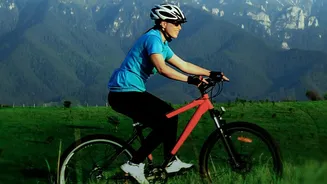
The solution doesn’t require a dramatic life overhaul. Enter the gentle cycle. This isn't about gruelling climbs or racing against the clock; it's about the simple, rhythmic act of pedalling. Cycling is a low-impact activity, meaning it's easy on the joints and accessible to people of various fitness levels. The focus is on movement, not intensity. Whether it’s a spin around your neighbourhood, a ride through a local park, or a journey along a quiet canal, the goal is simply to move your body and change your scenery. Regular, moderate cycling has been shown to deliver more consistent mental health benefits than sporadic, extreme efforts.
A Workout for a Wandering Mind
Cycling naturally promotes mindfulness, which is the practice of focusing your awareness on the present moment. When you ride, you are inherently engaged with your environment. You feel the wind, hear the sounds of your surroundings, and notice the details of the path ahead. This sensory engagement pulls your focus away from the cycle of negative thoughts that can often feed anxiety. The simple act of pedalling and balancing becomes a form of active meditation, freeing your mind from the digital clutter and allowing for a sense of calm and clarity. This state of 'flow' can reduce stress and increase feelings of well-being.
The Science Behind the Smile
The positive feeling you get from a bike ride isn't just in your head; it's backed by science. Physical activity, even at a low or moderate intensity, prompts the brain to release endorphins, which are natural mood-boosting chemicals. Regular exercise can also lower levels of the body's stress hormone, cortisol. Furthermore, getting active outdoors provides the added benefits of fresh air and sunlight, which can help increase serotonin, another chemical that helps regulate mood and reduce anxiety. Studies show that even brief periods of activity, as little as 10 to 15 minutes, can make a difference in how you feel.
Breaking Free From Routine
Beyond the mental and physical benefits, cycling is a powerful tool for breaking the monotony of a stale routine. It offers a sense of autonomy and exploration, allowing you to discover new routes and see your own locality from a fresh perspective. Instead of being a passenger, you are in control of your journey. This simple shift can be incredibly empowering. Swapping screen time for a ride introduces novelty and a sense of adventure into your day, creating a healthier, more sustainable balance between your digital and physical life.