


The Zero-Gravity Kitchen Challenge
Sending humans into space is one of the greatest scientific endeavours, but ensuring they are well-fed is a surprisingly complex part of the mission. Food for astronauts isn't just about taste or nutrition; it’s about safety, stability, and practicality
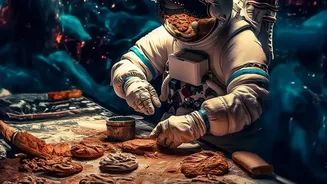
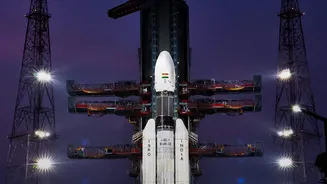
in a zero-gravity environment. You can't have crumbs floating into sensitive electronics, and food must be easy to handle when it doesn't stay on a plate. For India's ambitious human spaceflight missions like Gaganyaan, the task of creating a suitable menu of familiar, comforting Indian food fell to the Mysuru-based Defence Food Research Laboratory (DFRL). This DRDO lab has been a pioneer in this field for decades, having even supplied food for Rakesh Sharma's mission back in 1984. The goal is to provide astronauts with meals that are not only nutritious but also a taste of home, boosting morale millions of miles away.
Shaken, Not Stirred: The Vibration Test
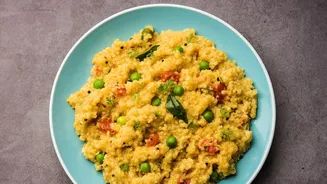
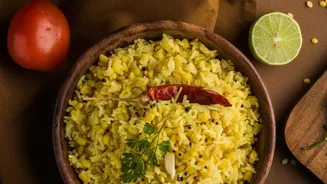
One of the first and most brutal hurdles any space food must clear is the launch itself. A rocket launch subjects everything onboard to extreme vibrations and G-forces. A perfectly packed aloo paratha on Earth could be reduced to a useless cloud of dusty particles under such stress. To prevent this, every potential food item undergoes rigorous launch vibration tests. Scientists simulate the intense shaking to see if the food maintains its structure. The key is to avoid brittle foods that create crumbs. DFRL uses special binders and food science techniques to ensure that dishes like vegetable rolls or khichdi remain intact. This test is critical because loose food particles in a spacecraft are not just messy; they are a serious safety hazard that could clog air filters or short-circuit vital equipment.
Beating the Clock: The Shelf-Life Hurdle
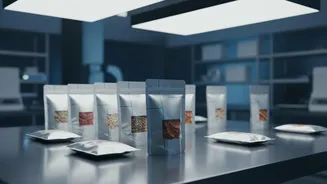
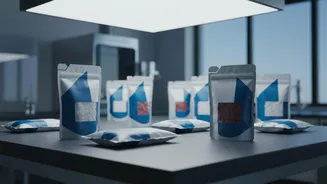
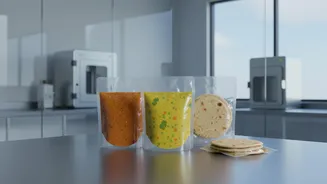
Once in space, there are no refrigerators for daily meals. Food for missions must remain safe, nutritious, and palatable for extended periods—often a year or more—at ambient temperatures. For future long-duration missions to Mars, NASA is even aiming for a five-year shelf life. This requires advanced preservation and packaging technology. DFRL employs techniques like dehydration and thermal processing to create ready-to-eat meals that can be rehydrated in space. The packaging is a multi-layered marvel designed to protect the contents from moisture, oxygen, and light, all of which can degrade food quality over time. Nutrients, particularly vitamins like A, C, and B1, can break down during long storage, so scientists must ensure the meals remain nutritionally complete for the entire mission duration.
The Final Space Thali
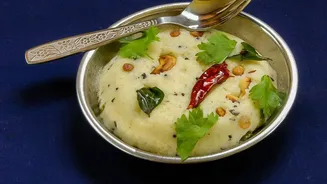
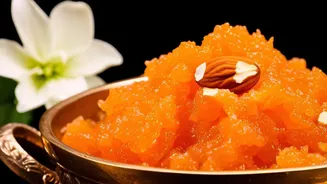
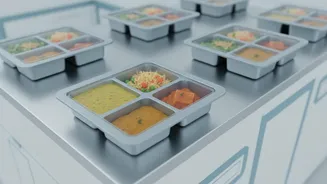
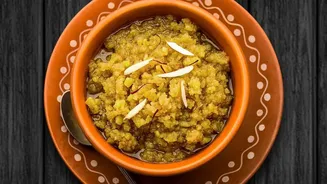
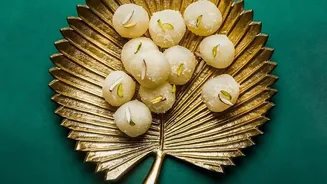
So, after all the shaking and waiting, which dishes made the cut? Over the years, DFRL has developed an extensive menu for consideration, including idli sambar, upma, vegetable pulav, egg rolls, and chicken biryani. However, the testing process is so stringent that not everything passes. For astronaut Shubhanshu Shukla's recent mission, an extensive list was prepared, but due to the limited time for qualification, only three items were fully certified for flight: Gajar Ka Halwa, Moong Dal Ka Halwa, and Aamras. While dishes like khichdi and pulao were also on the list, they couldn't complete the full battery of tests in time. The meals are also modified to be less oily and spicy, as microgravity can alter an astronaut's sense of taste and smell, often making them crave stronger flavours.
More Than Just a Meal
The development of space-faring Indian food is more than a culinary novelty; it is a critical component of India's self-reliance in space exploration. A successful food system is fundamental for long-duration missions, enabling astronauts to maintain their health and psychological well-being. The process involves collaboration between multiple agencies, including ISRO, DRDO, and even nutrition institutes like ICMR-National Institute of Nutrition, which are also developing specialised menus. From using special containers for drinking water in zero-g to providing food warmers, every detail is meticulously planned. As astronaut Shubhanshu Shukla shared the certified Indian sweets with his international crewmates, it marked a proud moment—a blend of tradition, science, and national pride, proving that India's culinary heritage can truly reach for the stars.