







The Challenge of Perishable Goods
Karnataka is a horticultural powerhouse, producing a vast array of fruits and vegetables. However, getting this produce from the farm to international markets in prime condition is a major hurdle. Post-harvest losses in India can be significant, often
due to gaps in the supply chain, including inadequate cold storage and slow transportation. For late-season varieties, such as certain types of mangoes that are harvested after the peak season, the challenge is even greater. These crops miss the primary export window, and by the time they reach domestic markets, a supply glut can drive down prices, hurting farmers' incomes. This creates a paradox: a high-value crop that loses its value simply because of timing and logistics.
A New Logistical Lifeline
Recognising this challenge, government bodies like the Agricultural and Processed Food Products Export Development Authority (APEDA) are collaborating with the state government to create a more robust and responsive export ecosystem. The strategy is two-pronged: identify unique, high-value crops and build a direct, fast pipeline from the farm to the global consumer. By focusing on logistics, the state aims to turn the 'late harvest' problem into a market opportunity, extending the export season and tapping into international demand when other supplies have dwindled.
From Farm to Flight: The Mango Success Story
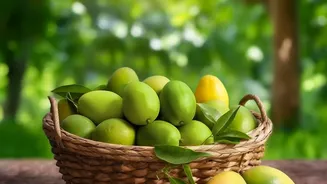
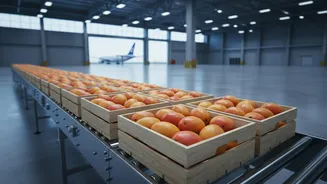
A recent, tangible example of this new push is the first-ever air shipment of late-season Neelam and Totapuri mangoes from Karnataka to the Maldives in late July 2026. These varieties, harvested from late June to July, are perfect for extending India's mango export season. The initiative involved sourcing the mangoes directly from farmers associated with a Farmer Producer Company (FPC) in the Kolar district. This direct procurement is crucial. By bypassing multiple intermediaries, the farmers involved earned over 50% higher returns compared to selling through conventional domestic channels. The consignment was sent via air freight, ensuring the mangoes arrived fresh and ready for an international market, demonstrating a viable model for the future.
Empowering Farmers and Entrepreneurs
This export push is about more than just logistics; it's about restructuring the agricultural economy to be more farmer-centric. The use of Farmer Producer Companies (FPCs) is central to this model. These organisations allow farmers to aggregate their produce, ensure consistent quality, and negotiate collectively, giving them far greater market power. Furthermore, the initiative is creating opportunities for new entrepreneurs. The recent mango consignment to the Maldives, for example, was handled by a newly registered woman entrepreneur, highlighting the push to diversify the agri-export ecosystem.
The Bigger Picture for Karnataka's Economy
While the initial shipments are small, they represent a significant strategic shift. Karnataka is already a major player in Indian exports, particularly in software and services, but it is actively working to boost its merchandise and agricultural exports. Initiatives like the 'District as Export Hub' aim to identify and promote export potential in specific sectors across various districts, moving beyond Bengaluru. By creating reliable and efficient export pathways for its rich horticultural produce—from mangoes to jamun and red chillies—the state is not only aiming to increase its export revenue but also to create sustainable income growth for its vast farming community and transform farmers into entrepreneurs.