




The Allure of an Uncharted Path
In a world where every destination is seemingly mapped and shared, the road to Mago in Arunachal Pradesh remains a whisper among serious adventurers. This isn't a trip for the faint of heart; it is a journey into one of India’s most remote and pristine
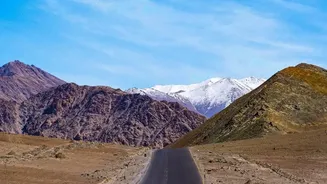
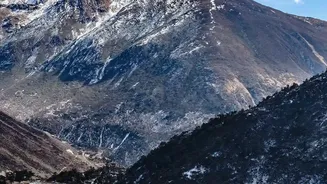
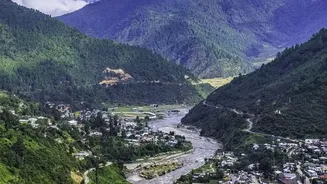
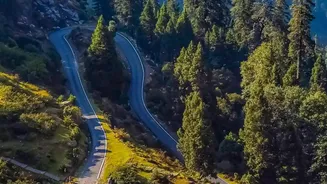
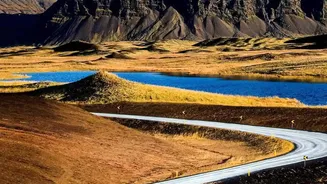
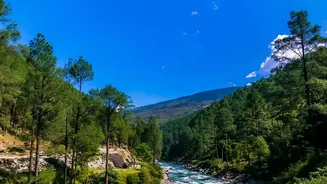
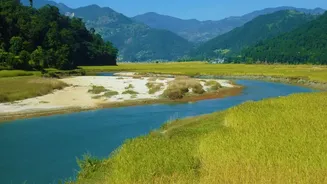
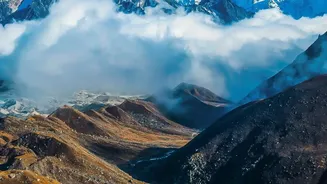
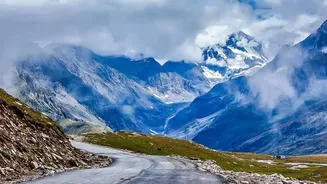
corners. The route climbs through the West Kameng and Tawang districts, offering a spectacle of changing landscapes—from the lush, river-carved valleys near Dirang to the high-altitude austerity of the Tibetan plateau. This drive is for those who seek the thrill of discovery, the quiet of untouched nature, and a genuine connection with a land that time seems to have forgotten. The reward is not just the destination but the drive itself—a tapestry of roaring waterfalls, serene glacial lakes, and dense pine forests unfolding with every turn.
Starting Point: The Tranquil Valley of Dirang
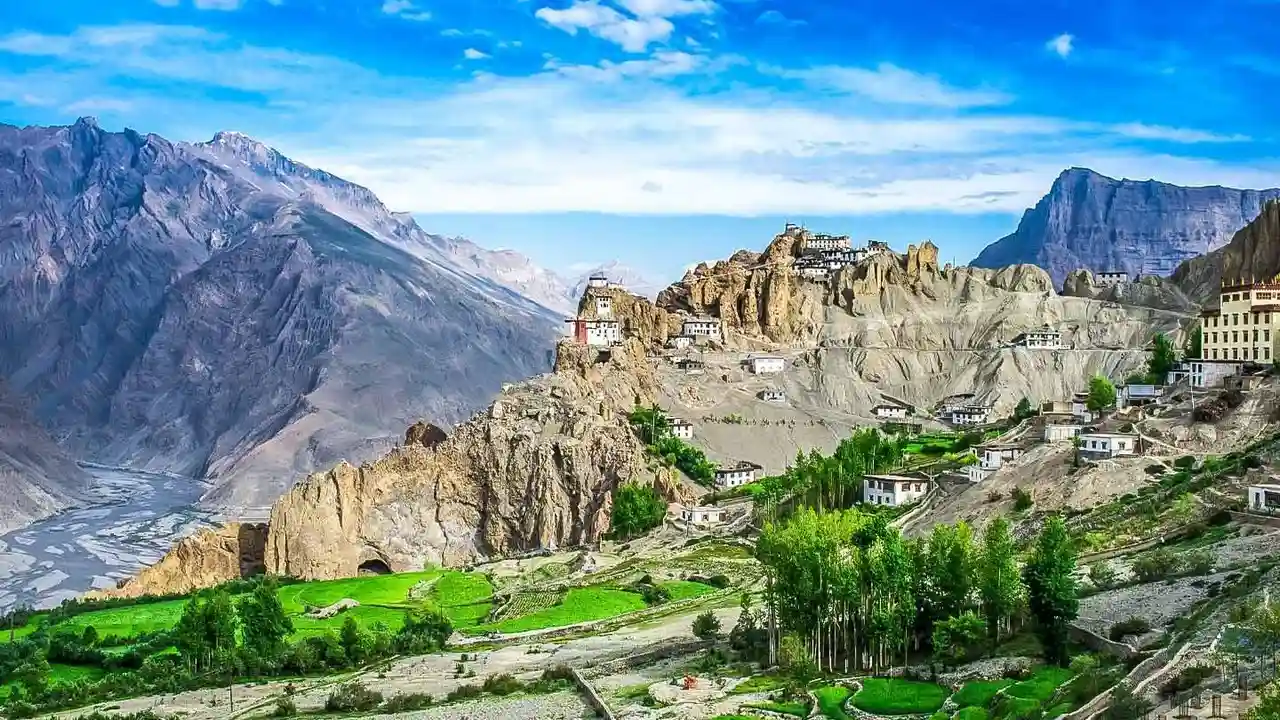
The adventure begins in Dirang, a serene town nestled in a picturesque valley that often serves as a peaceful stopover for travellers heading to Tawang. But Dirang is a destination in its own right. Home to the Monpa tribe, the town is dotted with attractions that set a perfect prelude for the journey ahead. You can visit the historic Dirang Dzong, a 17th-century fort-village perched on a hilltop, offering insights into the region's past. The town also boasts the beautiful Thupsung Dhargye Ling monastery, natural hot springs known for their therapeutic properties, and the gentle Dirang Chu river flowing through it. Spending a day here helps with acclimatization and allows you to soak in the local culture before ascending into wilder terrain.
The Ascent to Mago
Leaving Dirang, the road begins its dramatic transformation. The drive to Mago takes approximately seven to nine hours, navigating through some of the most spectacular and challenging terrains in the Himalayas. A capable 4x4 vehicle is essential, as the road beyond the town of Jang becomes rugged and demanding. The route, a marvel of engineering by the Border Roads Organisation, carves through cliff faces in C-shaped caverns with the Mago Chu river rushing below. This part of the journey takes you past stunning sights like the Sela Pass, which sits at over 13,000 feet, and the magnificent Jung Waterfall. The landscape is raw and powerful, a constant reminder of your proximity to the formidable India-China border.
Destination: The Remote Hamlet of Mago
Mago is not a tourist hub; it is a remote, working village of about 75 households, primarily inhabited by Monpa yak herders. Located at an altitude of over 11,500 feet, the village exists in a state of beautiful isolation. Life here revolves around the confluence of three rivers that form the Mago Chu and the seasonal migration of over a thousand yaks. The main attractions are beautifully simple: pristine natural hot springs, vast meadows, and the profound silence of the high Himalayas. Accommodation is basic, limited to a government guest house and a few homestays where you eat what the family cooks. There are no shops or restaurants, which is precisely the point. A visit to Mago is a digital detox and an immersion into a way of life deeply connected to nature.
Know Before You Go: Permits and Practicalities
A trip to this region requires careful planning. All Indian citizens need an Inner Line Permit (ILP) to enter Arunachal Pradesh, which can be applied for online. Foreign nationals require a Protected Area Permit (PAP) and must travel in a group of at least two, arranged through a registered tour operator. The best time to make this journey is from April to May or from September to November, avoiding the harsh winter snow and monsoon rains. The drive is long and strenuous, so starting early from Dirang is crucial. Carry physical copies of all your documents, as they will be checked at multiple army checkpoints along the border route. Also, pack essential supplies like snacks, water, and any personal medications, as facilities are non-existent once you leave the main towns.