







The New Frontier of Fitness
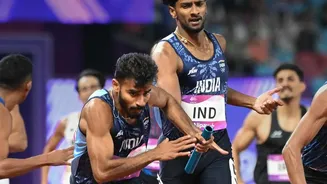
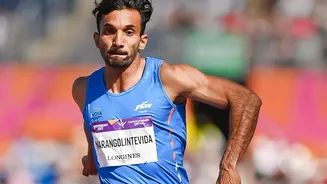
Forget choosing between a marathon and a powerlifting meet. The latest trend in Indian fitness asks, why not do both at the same time? Hybrid fitness races, which combine running with functional strength exercises, are rapidly gaining popularity. Events
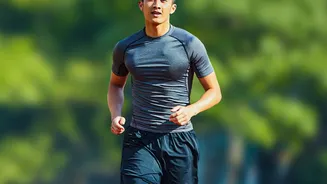
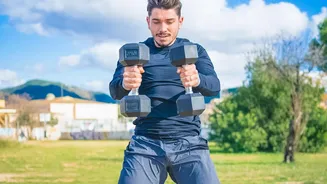
like Hyrox, The Yoddha Race, and DEKA FIT are drawing large crowds in cities like Mumbai, Bengaluru, and Delhi. The format is deceptively simple: participants typically run a set distance, complete a strength-based workout station, and repeat this cycle multiple times. Workouts often include functional movements like sled pushes, farmer's carries, wall balls, and weighted lunges, designed to test every aspect of your athletic ability.
Why Are These Races Booming in India?
The appeal of hybrid racing lies in its holistic challenge. It breaks the monotony of traditional road races or repetitive gym routines, offering a comprehensive test of strength, endurance, and mental grit. For many everyday gym-goers, it provides a tangible goal to 'train with purpose'. The events are timed and globally standardized, allowing participants to benchmark their performance against others worldwide. Furthermore, the atmosphere is a major draw; organizers create a festival-like environment with music and spectators, fostering a strong sense of community among athletes who share a passion for pushing their limits. With events scheduled throughout 2026 and beyond in multiple Indian cities, the trend shows no signs of slowing down.
The Unique Recovery Challenge
Combining intense running with heavy functional strength work in a single event places a unique and significant strain on the body. Running is an aerobic activity that primarily taxes your cardiovascular system, while strength stations involve short, powerful anaerobic bursts that fatigue your muscles. Shuttling between these two demands can lead to faster glycogen depletion, increased muscle damage, and significant central nervous system fatigue. An athlete might find their legs feel heavy and unresponsive on a run after a set of heavy lunges, or struggle to generate power in a lift when their heart rate is already soaring from running. This dual challenge means recovery isn't just about resting your legs or your lungs; it's about helping the entire system repair and adapt.
Nail Your Nutrition for Faster Repair
What you eat after a hybrid training session or race is critical for recovery. The primary goals are to replenish depleted energy stores and provide the building blocks for muscle repair. Immediately post-workout, focus on consuming a mix of carbohydrates and protein. Carbohydrates are essential to refill the muscle glycogen you burned during both the running and lifting portions. Aim for sources like rice, potatoes, or fruit. Protein is equally vital for repairing the micro-tears in your muscles caused by the strength exercises. A fast-absorbing protein source like a whey protein shake can be ideal, followed by a balanced meal with lean meats, eggs, or paneer within a couple of hours. Don't forget to rehydrate consistently with water and electrolytes to restore what was lost through sweat.
Smart Recovery: Active vs. Passive
Recovery isn’t just about sitting on the couch. The day after an intense hybrid session, consider 'active recovery'—light, low-impact movement like walking, gentle cycling, or swimming. This helps increase blood flow to the muscles, which can aid in clearing metabolic waste products and may reduce soreness more effectively than complete rest. However, passive recovery, which includes getting adequate sleep and complete rest, is just as crucial. Sleep is when your body does most of its repair work, producing growth hormone to heal damaged tissues. The key is to listen to your body. If you feel exhausted and overly sore, a full rest day might be more beneficial than forcing an active recovery session.
Tools and Techniques to Aid Recovery
Beyond nutrition and rest, several tools can support your recovery process. Foam rolling can help relieve muscle tightness and improve flexibility in the days following a race. Many athletes find it helps reduce the sensation of post-exercise muscle soreness. Similarly, percussive therapy devices or sports massages can target specific sore spots and promote blood flow. Another technique some athletes use is contrast water therapy, which involves alternating between hot and cold water immersion. The theory is that this process helps to 'flush' the muscles by causing blood vessels to constrict and then dilate. While the science on some of these methods is still developing, many athletes anecdotally report feeling better and recovering faster by incorporating them into their routine.