








Kerala is embarking on an ambitious journey to launch India's first airline fully backed by the co-operative sector. This 'people's airline' aims to reshape regional travel, but its entire future hinges on one critical, unresolved question.
A 'People's Airline' Takes Shape
On October
26, 2026, the Kerala government officially approved the launch of a new airline managed by the Kerala Civil Aviation Development Cooperative Society. Tentatively named 'Co-Keralam', the venture aims to pool resources from the state's robust co-operative movement to make air travel more accessible. The plan, spearheaded by noted cooperative leader C.N. Vijayakrishnan, proposes that around 200 co-operative societies will invest ₹2 crore each, raising an initial capital of ₹400 crore without direct financial burden on the state government. This model is inspired by the successful public-private partnership of Cochin International Airport (CIAL). The goal is to connect Kerala's cities with other key hubs in southern India, including Bengaluru, Chennai, and Mangaluru, with proposed fares between ₹3,500 and ₹7,000.
The Crucial Question of Operations
While the funding model and vision are generating excitement, the project's most significant challenge lies in a seemingly technical detail: flight operations. How will the airline get its planes in the air? This isn't just a logistical question; it's the core financial and regulatory decision that remains pending. The choice will dictate the airline's initial costs, its path to getting an Air Operator Certificate (AOC) from the Directorate General of Civil Aviation (DGCA), and its overall business flexibility. In essence, before Co-Keralam can sell a single ticket, it must decide how it will source and operate its aircraft, a decision that carries immense risk and reward.
To Lease or Not to Lease?
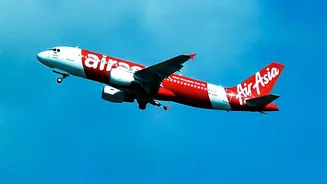
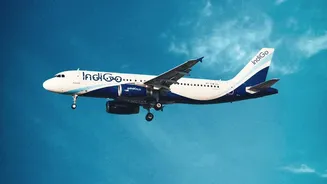
The central debate revolves around aircraft leasing. The two primary options are a 'wet lease' or a 'dry lease'. A wet lease is a turnkey solution where the airline rents an aircraft along with the crew, maintenance, and insurance (a package known as ACMI). This is faster and allows an airline to start operations quickly, as the regulatory burden partly lies with the lessor. However, it is significantly more expensive and offers less control over service and branding. A dry lease, on the other hand, involves leasing just the aircraft. The co-operative would then be responsible for hiring and training its own crew, managing maintenance, and securing insurance. This model is cheaper in the long run and provides full control, but it requires substantial upfront investment, expertise, and a lengthy, complex process to secure an AOC from the DGCA.
Navigating a Tough Aviation Market
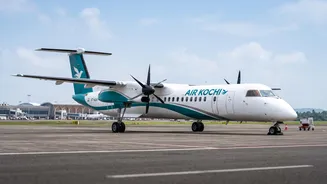
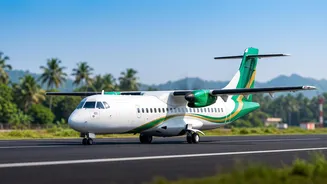
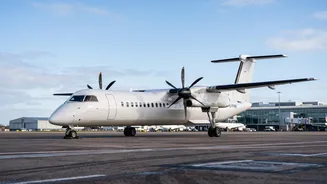
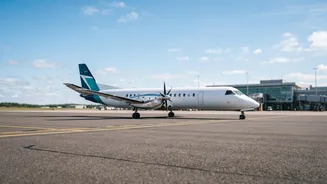
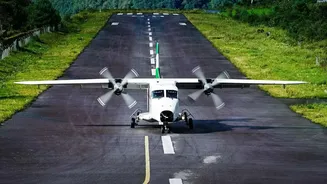
The decision is further complicated by the current state of the global aviation industry. Aircraft availability is tight due to manufacturing delays and supply chain issues. Furthermore, leasing companies have become more cautious about the Indian market, often demanding hefty deposits or proof of significant liquidity after the failure of other carriers. Some reports mention lessors asking for deposits as high as ₹200 crore per aircraft, a formidable sum for a startup. The initial plan for Co-Keralam involves leasing two 72-seater aircraft. Opting for a wet lease might offer a path to a quicker launch, but at a high operational cost that could challenge its goal of affordable fares. A dry lease aligns better with longterm sustainability and control but presents a steeper, more capitalintensive climb at the outset.