






The New Capitals of Craving
The narrative of India's consumer story is being rewritten, and it tastes surprisingly sweet. For decades, what was trending in Mumbai, Delhi, and Bengaluru was considered the national trend. Today, the country's smaller cities are emerging as the true
engines of culinary change. According to recent food delivery reports, cities like Jaipur, Lucknow, Surat, and Coimbatore are seeing a massive rise in food consumption, especially in indulgent categories like desserts. A Redseer report from July 2026 highlighted that food delivery transactions in Tier-2 and smaller cities have tripled over the past five years, growing from 60 million in FY21 to 180 million in FY26. This explosion in demand isn't just about ordering more food; it's about ordering differently. These cities are no longer just followers; they are active participants in shaping and amplifying what India craves.
A Tale of Two Carts: Gulab Jamun and Cheesecake
So, what exactly are people ordering? The answer reveals a fascinating blend of the traditional and the contemporary. Unsurprisingly, classic Indian sweets hold their ground firmly. Gulab Jamun remains a perennial favorite, with millions of orders placed across platforms, often ranking as the most-ordered dessert nationwide. However, alongside these timeless treats, there is a booming demand for global desserts. Chocolate lava cakes, cheesecakes, and waffles are now just as likely to be in a cart in Nagpur as they are in South Delhi. Reports from 2025 showed that while White Chocolate Cake was a chart-topper with nearly 7 million orders, Gulab Jamun followed closely with 4.5 million. This dual appetite shows that the modern Indian palate is not about replacement, but expansion. It craves the comfort of a familiar mithai and the novelty of a Western-style pastry with equal enthusiasm.
The Engines of a Sweet Revolution
Several factors are fueling this dessert boom outside the traditional metropolitan hubs. The primary driver is rising disposable income and a burgeoning middle class with more money to spend on experiences and small luxuries. Dining out, or ordering in, is no longer a rare indulgence but a regular part of lifestyle for many, especially Gen Z and millennials. This economic shift is amplified by deep internet and smartphone penetration, which has made food delivery apps ubiquitous. The aggressive expansion of platforms like Swiggy and Zomato into smaller cities has given millions of people access to a variety of cuisines that were previously unavailable. Social media also plays a crucial role. Food influencers and Instagram reels have democratized trends, making a visually appealing dessert in Indore just as desirable as one in Mumbai.
A Truly Pan-India Palate
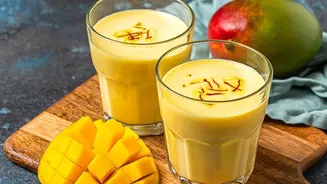
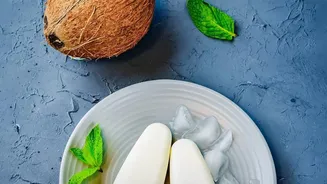
The most significant outcome of this trend is the blurring of geographical and cultural lines in food. The term 'pan-India' no longer means a few regional dishes being available in big cities. It now means that consumers in diverse locations are developing a shared taste for a wide array of foods. Pune's famous Mango Mastani is finding fans in Mysuru and Mangaluru, while coconut-flavored ice cream is trending simultaneously in Mumbai, Surat, and Raipur. This convergence of tastes is also encouraging innovation. We're seeing a rise in fusion desserts like Gulab Jamun Cheesecake, which saw a 72% increase in orders in 2025, perfectly capturing this new, integrated Indian palate. The trend isn't just one-way; regional specialties are also gaining wider traction as platforms expand their reach.
How the Industry is Responding
The food and beverage industry has taken notice. Quick-service restaurants (QSRs), cloud kitchens, and even premium brands are aggressively expanding into Tier-2 and Tier-3 cities, recognizing them as the next frontier for growth. For businesses, these markets are attractive not just for their growth potential but also for their favorable economics, including lower rental costs compared to saturated metros. This has led to an explosion of new cafes, bakeries, and dessert parlors in cities that were once considered secondary markets. Brands are learning that to succeed, they need to cater to this new, aspirational consumer who is digitally savvy, open to experimentation, and follows global trends while still loving local flavors. As a result, menus are becoming more diverse, and access to high-quality, indulgent foods is improving across the country.