



The Latest Findings on Artery Health
Researchers analysing data from over 133,000 participants in the UK Biobank found a significant association between higher consumption of ultra-processed foods and an increased risk of developing atherosclerosis. The study, which followed participants for
a median of nearly 11 years, reported that those who ate the most UPFs had a notably higher risk compared to those who ate the least. Specifically, individuals in the highest consumption group showed a 29% increased risk of the condition. The findings contribute to a growing body of research suggesting that modern, highly processed diets may have a considerable impact on cardiovascular health.
What Is Atherosclerosis?
Atherosclerosis is often called “hardening of the arteries.” It's a slow, progressive disease where plaque builds up inside the arteries, which are the blood vessels that carry oxygen-rich blood throughout your body. This plaque is made of fat, cholesterol, calcium, and other substances found in the blood. Over time, this buildup can cause arteries to become narrow and stiff, restricting blood flow. This can lead to serious health problems, including heart attacks and strokes, making it a primary underlying cause of cardiovascular disease worldwide.
Decoding 'Ultra-Processed' Foods
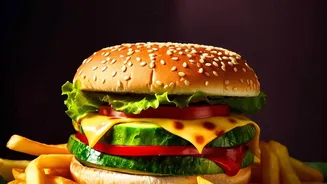
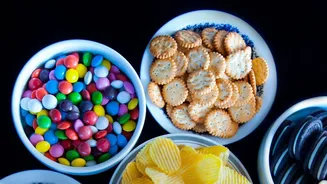
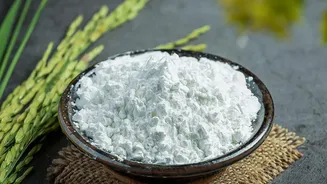
The term 'ultra-processed' comes from the NOVA food classification system, which categorizes foods by their level of industrial processing. Unprocessed or minimally processed foods are things like fresh fruits, vegetables, meat, and milk. Ultra-processed foods, on the other hand, are industrial formulations. They are typically made from substances extracted from foods (like fats, starches, and sugars) and contain additives not used in home cooking, such as artificial colours, flavours, and emulsifiers. Think of packaged snacks, sugary sodas, mass-produced breads, and ready-to-eat meals. These products are designed to be cheap, convenient, and hyper-palatable, but often lack the fibre and nutrients of whole foods.
An Important Caveat: Correlation vs. Causation
As the headline rightly points out, this study is observational. This is a critical distinction. Observational studies are excellent at finding associations or correlations between two things, in this case, UPF intake and atherosclerosis risk. However, they cannot prove that one thing causes the other. There could be other lifestyle factors at play. For instance, people who eat a lot of UPFs might also be more likely to smoke, exercise less, or have other habits that increase their cardiovascular risk. While the researchers adjusted for many of these factors, it's impossible to account for everything. This is a common limitation in nutrition science, where definitive, long-term randomized controlled trials are often impractical to conduct.
The Bigger Picture on Processed Diets
While this single study isn't conclusive proof, it strengthens a large and growing body of evidence. Numerous other studies have linked high UPF consumption to a range of negative health outcomes, including obesity, type 2 diabetes, certain cancers, and overall mortality. An umbrella review of 45 meta-analyses, covering nearly 10 million people, found direct associations between higher UPF intake and 32 different adverse health outcomes. The consensus is that while the exact mechanisms are still being studied, diets high in UPFs are consistently associated with poorer health markers, particularly for cardiometabolic health.
So, What's the Takeaway for Your Plate?
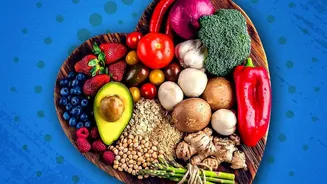
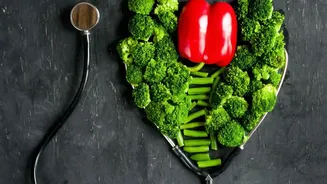
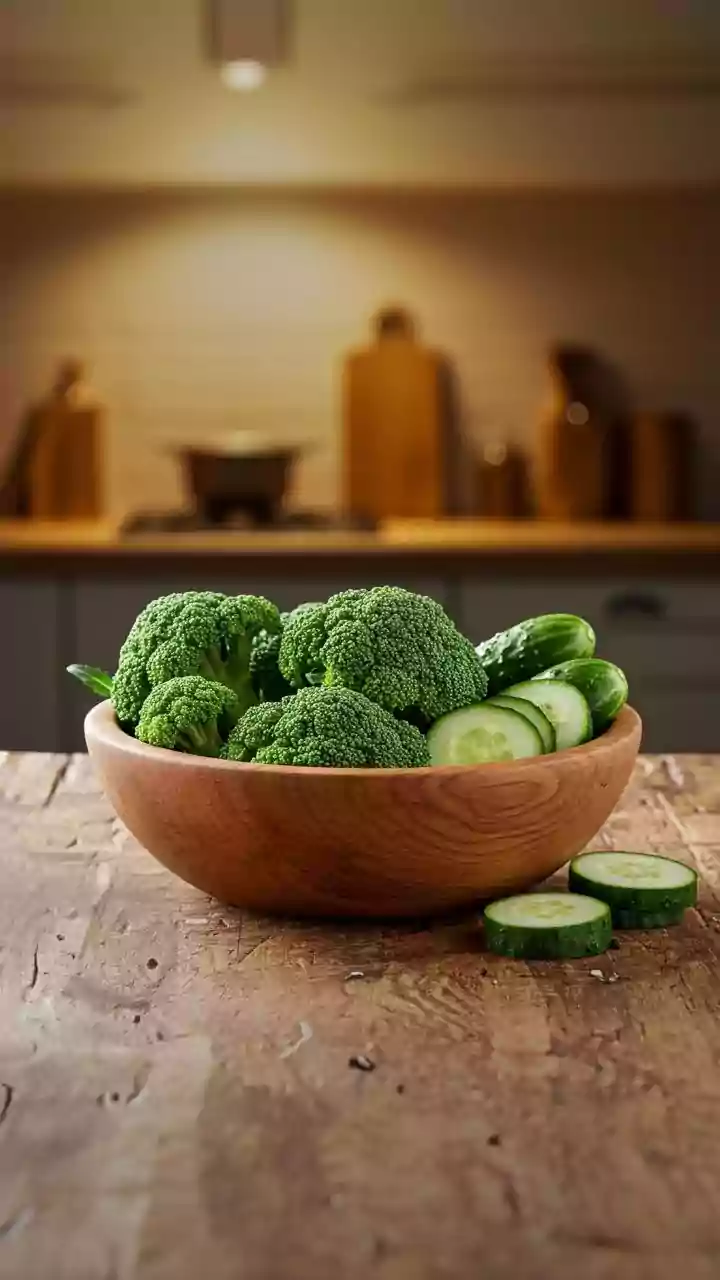
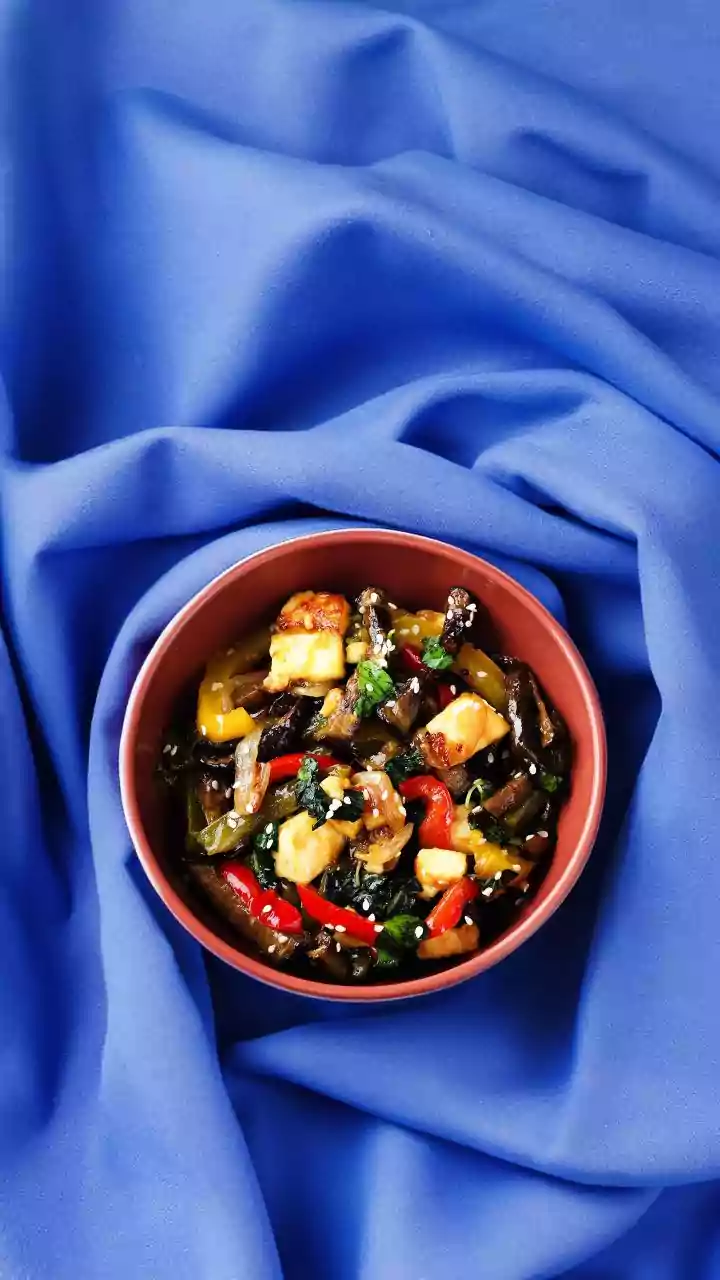
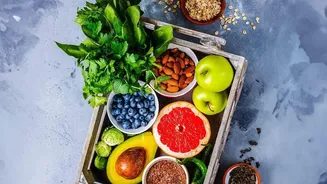
The evidence strongly suggests that reducing your reliance on ultra-processed foods is a wise move for long-term health. This doesn't mean you must eliminate them entirely, but rather shift the balance of your diet towards whole and minimally processed foods. Simple swaps can make a big difference. Try cooking at home more often, choosing whole fruits over packaged snacks, drinking water instead of sugary beverages, and reading ingredient lists to be more aware of what's in your food. Focusing on adding more vegetables, lean proteins, and whole grains to your meals can naturally displace the more heavily processed items. The goal isn't perfection but progress toward a diet based on real, wholesome ingredients.