

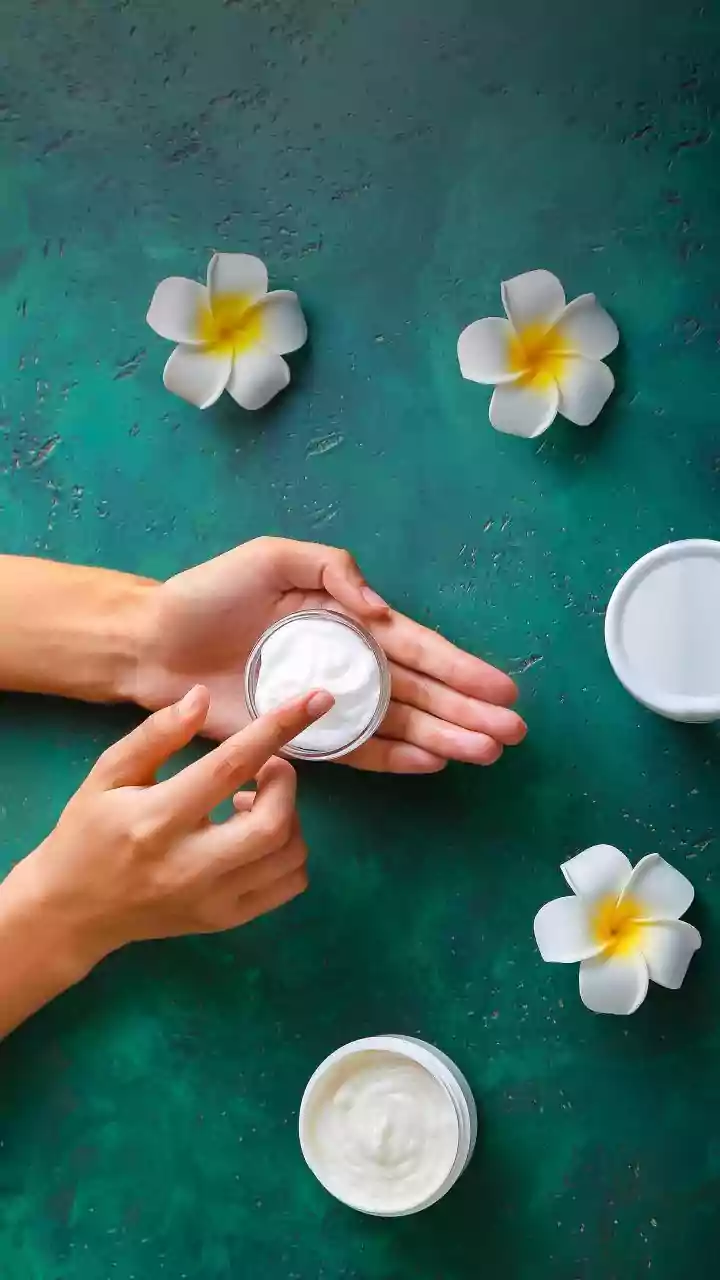




The Allure of the DIY Facial
The trend of using kitchen ingredients for skincare is undeniably appealing. On social media, you’ll find countless recipes for masks and scrubs using everything from yogurt and turmeric to coffee grounds and oatmeal. Proponents praise these methods as affordable,
natural, and free from synthetic chemicals. The idea that you can achieve a healthy glow using items already in your pantry is compelling. It feels wholesome and empowering to take control of what you put on your skin. For many, it's a fun, creative, and relaxing form of self-care. However, dermatologists caution that just because an ingredient is natural, it doesn't automatically mean it's safe or effective for your skin.
The Science: Why Raw Ingredients Fall Short
The primary issue with DIY skincare is a lack of scientific formulation. For an ingredient to work, it needs to penetrate the skin's protective barrier, and raw ingredients often can't. Their molecules are simply too large. Furthermore, the concentration of active compounds in kitchen ingredients is inconsistent. The vitamin C in one lemon can differ from the next, and it oxidizes rapidly when exposed to air, rendering it useless. Professionally formulated products, by contrast, are created by chemists to ensure stability, proper pH balance, and effective delivery. They use specific concentrations of active ingredients and delivery systems like encapsulation to ensure the compounds reach the deeper layers of the skin where they can make a real difference.
The Hidden Dangers of Kitchen Chemistry
Beyond being ineffective, some DIY treatments can be actively harmful. Ingredients like lemon juice and vinegar are highly acidic and can disrupt your skin's delicate pH balance, known as the acid mantle. This can strip the skin, cause irritation or even chemical burns, and increase sun sensitivity. Alkaline ingredients like baking soda are just as damaging. Another major risk is bacterial contamination. Homemade mixtures lack preservatives, making them a breeding ground for bacteria, mold, and yeast, which can lead to infections and breakouts. A patch test is always recommended, but even then, risks remain.
What a 'Consistent Routine' Actually Means
So, if kitchen facials aren't the answer, what is? Dermatologists agree that consistency with a simple, effective routine is the key to long-term skin health. A good routine doesn't need to be complicated or expensive. It revolves around four key steps: cleansing to remove impurities, treating specific concerns with a targeted serum (containing ingredients like niacinamide or peptides), moisturizing to hydrate and support the skin barrier, and protecting your skin from sun damage with a daily sunscreen. This consistent approach supports the skin's natural functions, helps prevent premature aging, and manages conditions like acne or sensitivity far more effectively than sporadic, unpredictable DIY masks.
Finding the Right Balance
This doesn't mean you have to toss out your oatmeal and honey forever. Some gentle, soothing ingredients can be used for a temporary pampering session. An oatmeal mask can calm temporary redness, and honey has some hydrating properties. The key is to view these as a momentary treat, not a treatment. They cannot replace the scientifically-proven benefits of a well-formulated skincare product designed to repair the skin barrier, deliver active ingredients, and protect your skin. For addressing chronic issues like acne, hyperpigmentation, or fine lines, relying on a consistent, science-backed routine is non-negotiable for seeing real, lasting results.