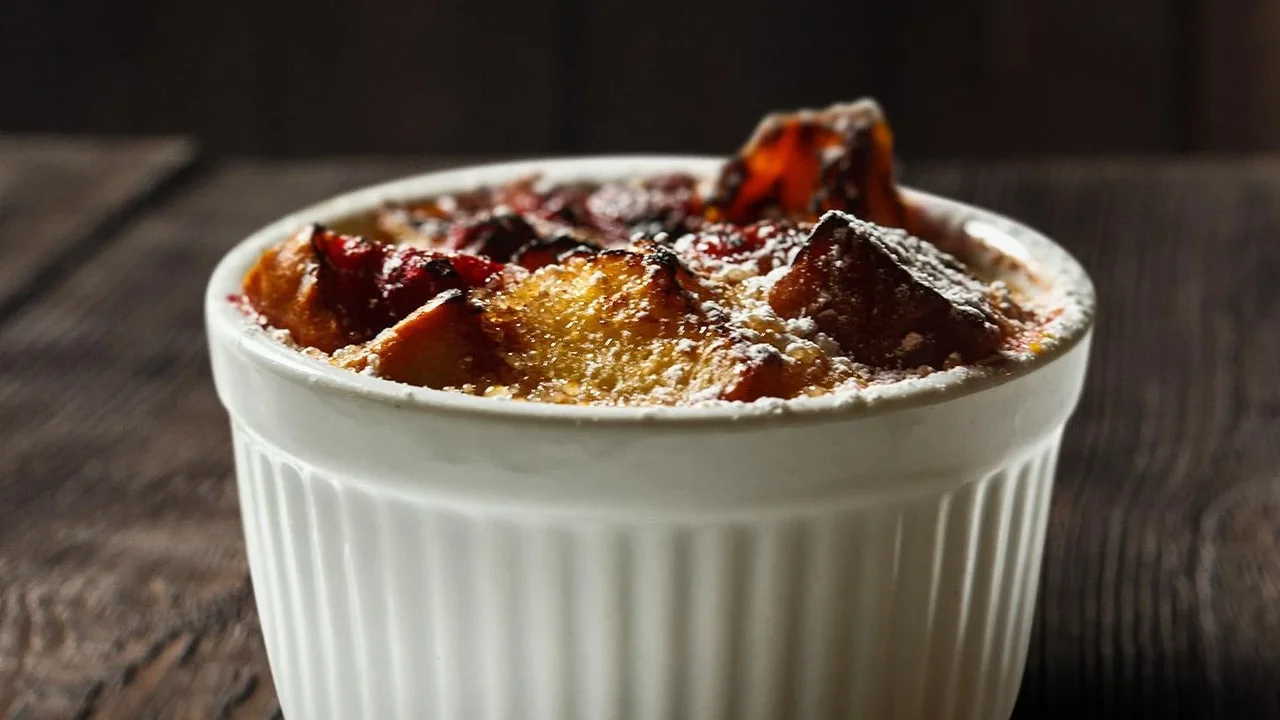








A Perfect Balance of Flavours
The magic of using sourdough in bread pudding lies in its signature tang. Traditional bread puddings, often made with soft, sweet breads like brioche or challah, can sometimes be overwhelmingly sweet. Sourdough introduces a mild, acidic counterpoint that
cuts through the richness of the egg-and-cream custard. This creates a more complex and balanced flavour profile, preventing the dessert from becoming cloying. The subtle sourness doesn't overpower the dish; instead, it mellows during baking and adds a sophisticated depth that you simply don't get from other breads. It's a culinary game-changer that elevates the humble pudding into a more grown-up treat.
The Ideal Texture and Structure
Beyond flavour, sourdough brings a superior texture to the table. Artisan-style sourdough loaves have a sturdy, open crumb structure and a firm crust. This robust nature is ideal for soaking up the liquid custard without disintegrating into a soggy mess, which can sometimes happen with softer white breads. The result is a pudding with a satisfyingly chewy, tender centre and delightful, crusty edges that crisp up beautifully in the oven. This textural contrast—soft, creamy custard against the substantial, soaked bread—is what makes every bite interesting.
Choosing the Right Loaf
For the best results, reach for day-old or slightly stale sourdough. Stale bread is drier, which allows it to absorb the custard more effectively without becoming mushy. If you only have a fresh loaf, you can cut it into cubes and let it sit out for a few hours, or lightly toast the cubes in the oven for about 10-15 minutes to dry them out. A plain white or country-style sourdough is a versatile choice, as its flavour is a blank canvas for your custard and other additions. While flavoured sourdoughs like cranberry-orange or seeded varieties can be used, a plain loaf gives you more control over the final taste.
Mastering the Custard and Soak
The custard is the soul of the pudding. A classic mixture includes eggs, milk, cream, sugar, and vanilla. For a richer, more decadent dessert, don't shy away from using whole milk and heavy cream. Once the bread cubes are in a baking dish, pour the custard over them, making sure every piece is well-coated. The most crucial step is to let the mixture rest. Allowing the bread to soak for at least 30 minutes before baking is essential. This ensures the custard penetrates every nook and cranny, resulting in a uniformly moist and flavourful pudding rather than a dry top and a soupy bottom.
Creative Flavour Pairings
The tangy backdrop of sourdough invites a world of creative flavour combinations. You can lean into its tartness by adding fresh or dried fruits like cherries, apricots, or citrus zest. For a richer, deeper flavour, consider folding in dark chocolate chips or chopped nuts like pecans and walnuts. Warm spices such as cinnamon, nutmeg, and cardamom are classic additions that complement both the sweet custard and the sourdough tang. Some recipes even incorporate a splash of rum or brandy into the custard for an extra layer of warmth and complexity.