


The Foundation: Why Core Strength Matters
Before diving into the face-off, it’s crucial to understand what the core is and why it's so important. Far more than just the 'six-pack' muscles, the core is a complex group of muscles that wraps around your entire midsection, including your back, hips,
and pelvic floor. A strong core is the foundation of almost every movement you make. It provides stability for your spine, improves your posture, enhances balance, and reduces the risk of injury, particularly in the lower back. Whether you're lifting groceries, playing with your kids, or sitting at a desk, a well-conditioned core helps you do it all with greater ease and safety.
Pilates: The Master of Muscular Control
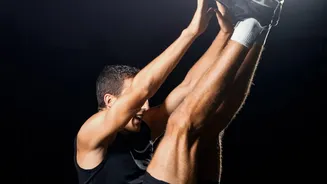
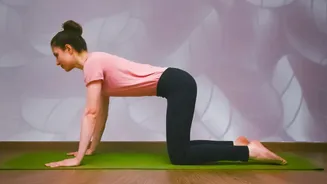
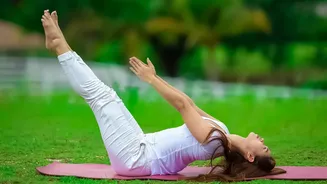
Pilates is a low-impact exercise method that emphasizes precision, control, and breathwork to build strength from the inside out. Its primary focus is on activating and strengthening the deep, intrinsic core muscles, like the transverse abdominis and multifidus, which act as a natural corset for your trunk. The movements are slow and deliberate, forcing you to maintain core engagement throughout each exercise. This method excels at improving posture, enhancing muscular control of the limbs, increasing flexibility, and creating balanced strength on both sides of the body. Think of it as building a stable, intelligent foundation that supports all other physical activities.
Circuit Training: The Calorie-Burning Powerhouse
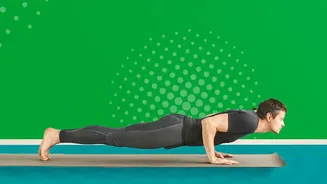
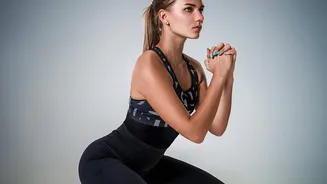
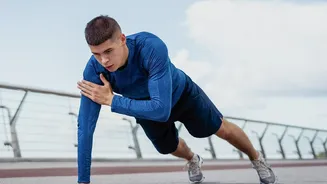
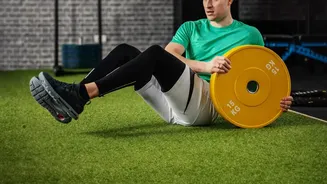
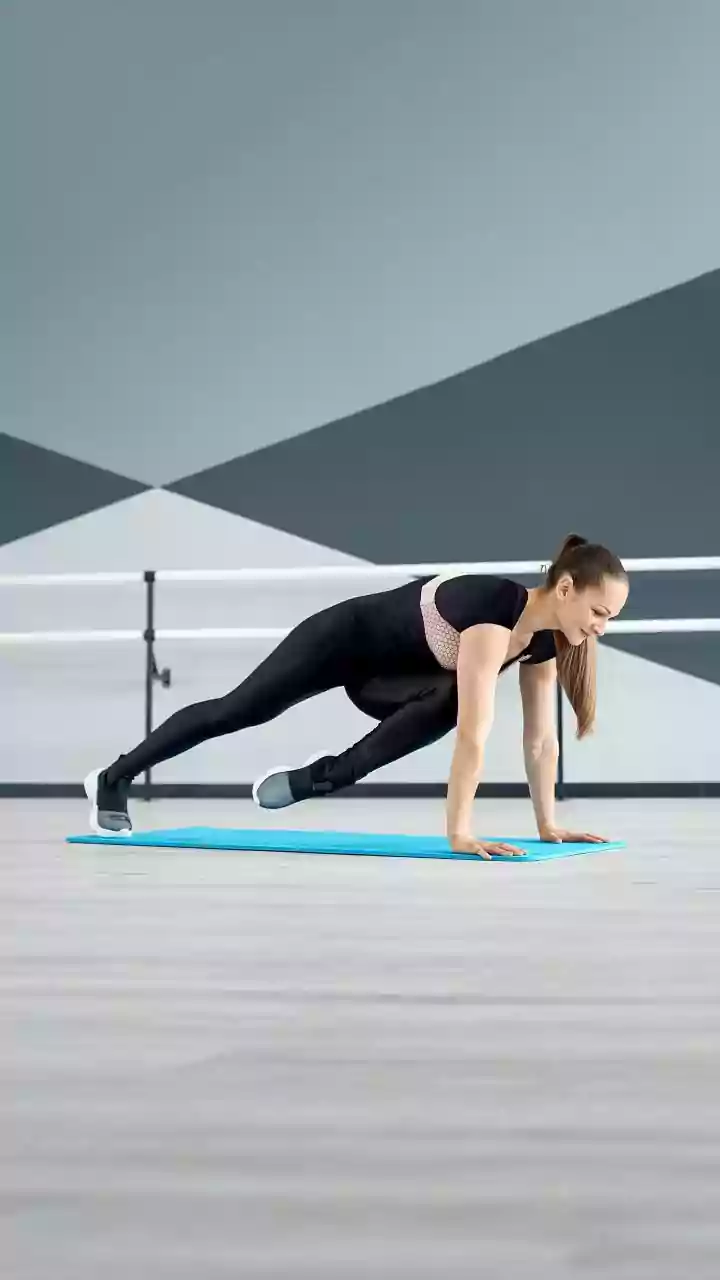
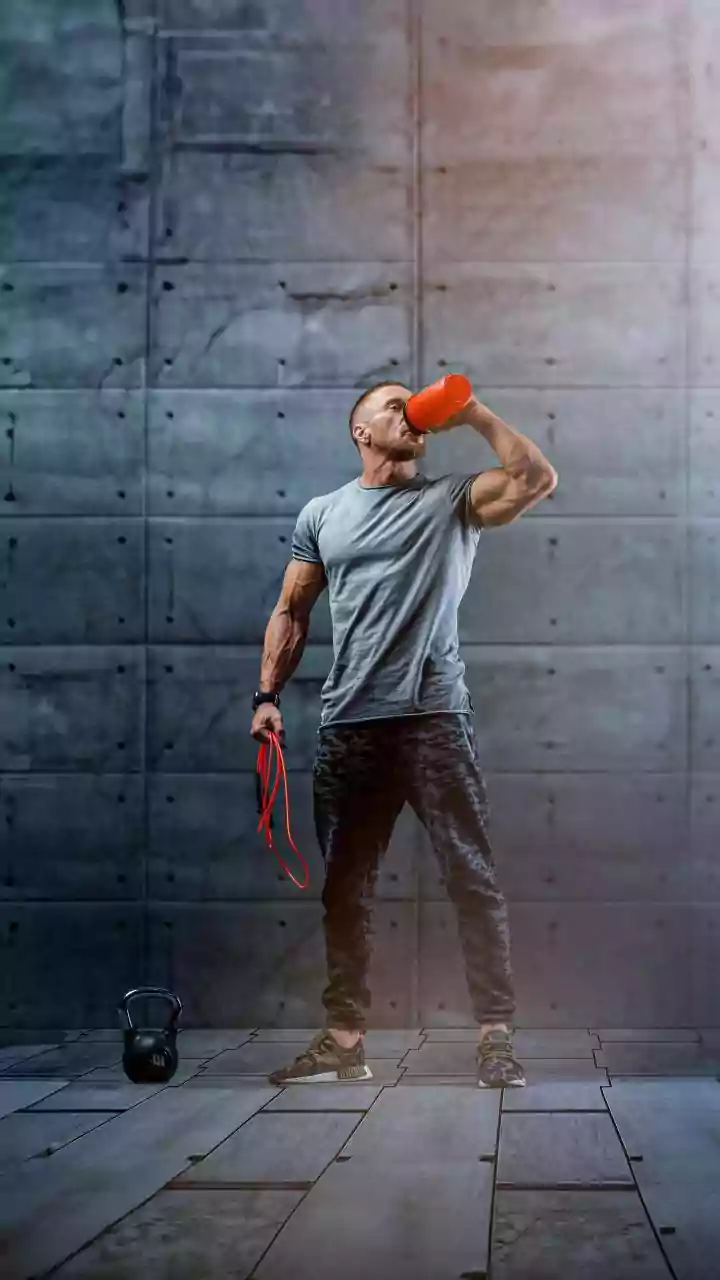
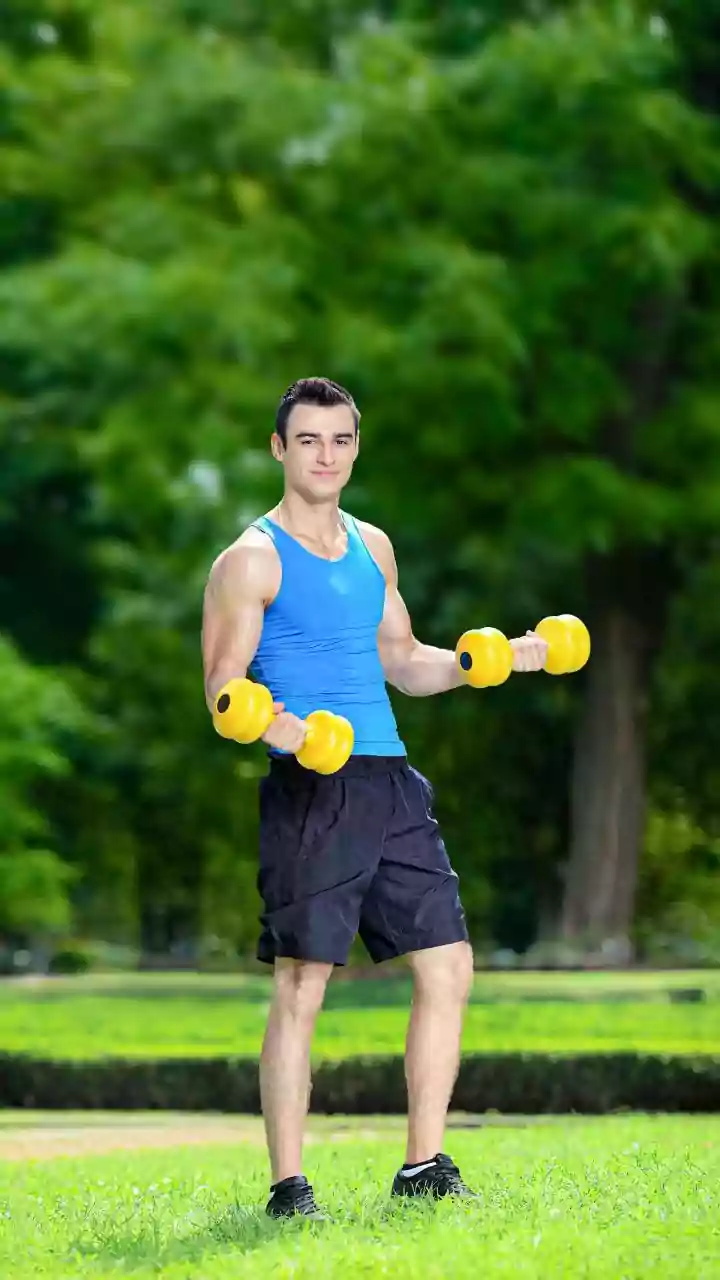
Circuit training takes a completely different approach. It involves performing a series of different exercises in quick succession with minimal rest in between. This format combines strength and cardiovascular training, keeping your heart rate elevated for the duration of the workout. While not exclusively a 'core workout', the core is constantly engaged to stabilize the body during dynamic, full-body movements like squats, lunges, and push-ups. The main advantage here is efficiency; you get a full-body workout that torches a high number of calories in a short amount of time, boosting your metabolism both during and after the session.
The Face-Off: Control vs. Calorie Burn
So, which is better? The answer depends entirely on your primary goal. If your aim is to burn the maximum number of calories to support weight loss, circuit training is the more effective choice. A high-intensity circuit session can burn significantly more calories than a typical Pilates class. However, if your goal is to improve posture, alleviate back pain, enhance stability, and build deep foundational strength, Pilates is unparalleled. It meticulously targets the stabilizing muscles that are often overlooked in more traditional workouts. While circuit training strengthens the core dynamically, Pilates trains it with focused precision.
Making the Choice: Which Workout Is for You?
Choose Pilates if: You want to improve your posture and body awareness. You are recovering from an injury or experience back pain. You're looking for a low-impact workout that's gentle on the joints. Your goal is to build deep, functional core strength and enhance flexibility. Choose Circuit Training if: Your primary goal is fat loss and burning a high number of calories. You enjoy fast-paced, high-energy workouts and are short on time. You want to improve your overall cardiovascular fitness and muscular endurance simultaneously.
The Best of Both Worlds: A Hybrid Approach
Ultimately, you don't have to choose just one. Pilates and circuit training complement each other beautifully. The deep core stability and control built through Pilates can make your movements in a high-intensity circuit workout safer and more effective, reducing your risk of injury. By practising Pilates, you improve the mind-body connection needed to maintain proper form when fatigue sets in during a tough circuit. A balanced routine could involve two to three days of strength training or circuits and one to two days of Pilates to focus on recovery, stability, and control.