





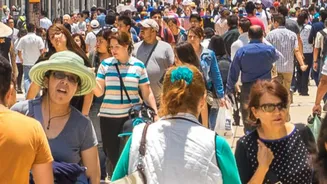
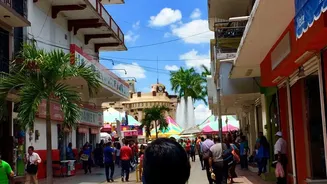
Cities globally are reimagining their bustling centres, trading car horns for footsteps. This shift towards pedestrian-friendly streets isn't just about reducing traffic; it's about creating healthier, more vibrant and economically robust communities.
Why Cities Are Going Car-Free
The logic behind pedestrianisation is simple: prioritise people over cars. Restricting vehicle access in city centres can dramatically improve urban life. The benefits are multifaceted, starting with significant environmental gains. Fewer cars mean lower emissions of harmful pollutants and greenhouse gases, leading to cleaner air. This also reduces noise pollution, creating a more serene atmosphere. From a public health perspective, these zones encourage walking and cycling, promoting physical activity. Streets become safer for everyone, especially children and the elderly, with drastic reductions in traffic accidents. Economically, the results are often surprising for initial sceptics. Increased foot traffic frequently leads to a boost in sales for local retailers and higher property values. These spaces foster a stronger sense of community, providing a relaxed environment where people can socialise and linger.
The Challenges of Change
Despite the clear advantages, the transition is not always smooth. A primary concern is traffic displacement, where closing one street leads to increased congestion on adjacent roads. This requires careful urban planning, often incorporating improved public transport and cycling infrastructure to manage the shift effectively. Some business owners initially express opposition, fearing that a lack of direct car access will deter customers. However, numerous case studies show that well-designed pedestrian zones typically boost business in the long run. Ensuring accessibility for all, including delivery services, residents, and people with mobility issues, is another critical hurdle that needs to be addressed through smart design, such as designated service times or accessible public transport links.
Strøget, Copenhagen: The European Pioneer
Copenhagen's Strøget is often hailed as a pioneering example of pedestrianisation. In 1962, it was converted from a traffic-clogged main street into a car-free zone, initially as a temporary experiment. The idea was controversial at the time, with many merchants fearing a loss of business. However, the experiment was a resounding success, becoming permanent in 1964. At 1.1 kilometres, it is one of Europe's longest pedestrian shopping streets, attracting tens of thousands of locals and tourists daily. The success of Strøget demonstrated that prioritising pedestrians could create vibrant public life and prove economically beneficial, inspiring hundreds of other cities across the globe to follow suit. Today, the area is a bustling hub of shops, cafes, and street performers.
La Rambla, Barcelona: A Cultural Artery
Stretching for 1.2 kilometres, La Rambla is arguably Barcelona's most famous street. It's a wide, tree-lined boulevard with a broad central pedestrian promenade that connects the city's central Plaça de Catalunya with the port. While it has long been a focal point of city life, popular with locals and tourists alike for its kiosks, markets, and street artists, it is currently undergoing a major revitalisation project set to be completed in 2027. The plan aims to enhance its pedestrian character further by widening walkways, improving lighting, and restricting vehicle access to only public transport, residents, and service vehicles. The goal is to improve connectivity and preserve the cultural status of the boulevard, solidifying its role as the vibrant heart of Barcelona.
Ciclovía, Bogotá: A Weekly Revolution
Bogotá's Ciclovía ('cycleway') offers a different, but hugely influential, model. It is not a permanent pedestrian street but a weekly event. Every Sunday and public holiday since 1974, the city closes over 120 kilometres of its main roads to car traffic, opening them up for cyclists, runners, and walkers. What started as a small protest has become a massive, government-supported institution, attracting up to 1.5 million people each week. The program is celebrated for its immense public health benefits, promoting physical activity and creating a safer recreational environment. It also fosters social equity by providing free, accessible public space for everyone, regardless of income. The success of Ciclovía has inspired hundreds of similar 'Open Streets' initiatives in cities across the world.