


A Genuine 6000-Metre Peak Experience
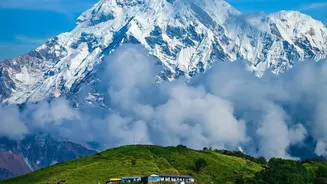
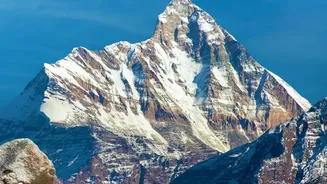
Deo Tibba stands proudly at 6,001 metres (19,688 feet), placing it firmly in the category of a major mountain expedition. Unlike many 'trekking peaks' that are essentially high-altitude walks, reaching Deo Tibba's base camp—and for seasoned climbers,
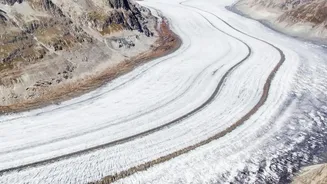
its summit—is a true mountaineering challenge. The approach involves navigating glaciers, moraines, and steep ice passes, requiring the use of technical gear like crampons and ice axes. This makes it an ideal objective for experienced trekkers looking to transition into mountaineering or for those who have completed a Basic Mountaineering Course and want to apply their skills in a real-world setting.
A Journey Through Ever-Changing Landscapes
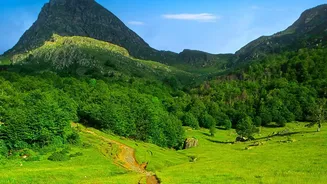
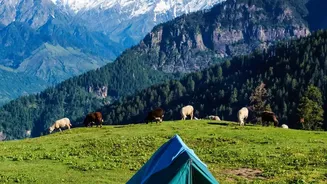
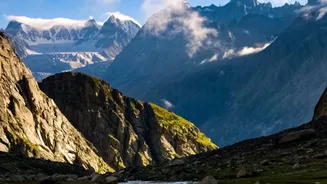
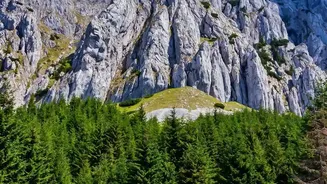
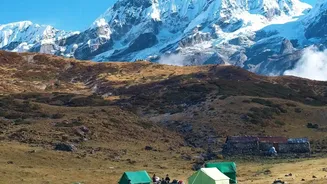
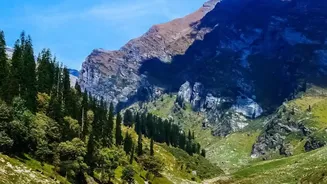
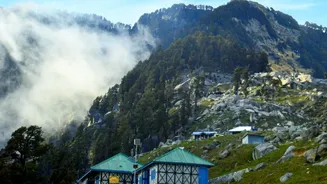
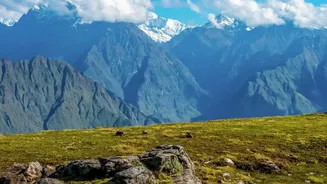
The Deo Tibba trail is a masterclass in diversity. The journey begins in the lush green Kullu Valley near Manali, starting from the ancient village of Jagatsukh. From there, the path winds through dense forests of pine, fir, and oak. Soon, the treeline gives way to one of the trek's most iconic highlights: the expansive alpine meadow of Seri. This vast, flat expanse, surrounded by towering peaks and waterfalls, feels like a world apart. As you ascend further towards the base camp at Tainta, the landscape transforms again into a rugged terrain of moraine and ice, offering a raw, high-altitude experience.
The Abode of the Gods
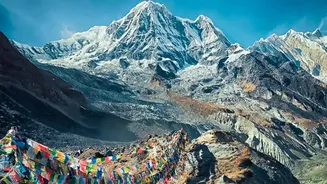
The trek is steeped in rich Hindu mythology, which adds a profound cultural layer to the physical journey. 'Deo' means 'Gods' and 'Tibba' means 'hill'. Local folklore holds that the distinctive dome-shaped summit of Deo Tibba is the assembly point for the Hindu pantheon. It is believed to be the place where the gods gather, while the neighbouring peak of Indrasan (6,221m) serves as the throne for Lord Indra, the king of heaven. This spiritual significance is palpable throughout the trek, lending a sense of sanctity to the immense landscape.
A Quieter, More Authentic Trail
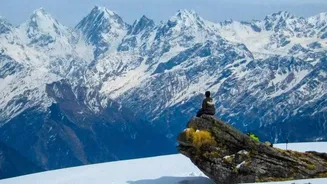
While nearby routes like the Hampta Pass see a significant amount of foot traffic, the Deo Tibba trail remains relatively uncrowded. This allows for a more immersive and authentic wilderness experience. Trekkers can enjoy the solitude of the mountains without the distractions of busy campsites. The journey from the starting point near Khanol village to campsites like Chikka and Seri offers a chance to connect with nature on a deeper level, surrounded only by the sounds of the mountains and the grandeur of the Pir Panjal range.
The Reward of Chota Chandratal
One of the trek's biggest rewards is the sight of Chota Chandratal, a stunning emerald-blue lake situated at the foothills of Deo Tibba peak. This high-altitude lake is a primary visual highlight of the journey, not just a side attraction. Nestled beneath the towering massifs of Deo Tibba and Indrasan, the pristine waters of the lake create a picture-perfect scene that makes the challenging ascent entirely worthwhile. It is here, at the Deo Tibba Base Camp, that trekkers get the most dramatic and up-close views of the peak itself.