


The New Study Buddy
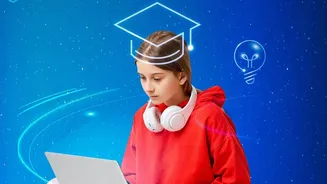
For today's students, AI is the ultimate academic multitool. Instead of just 'Googling it', they are using AI to explain complex topics, brainstorm ideas, and even get feedback on their writing. Platforms powered by AI can personalize learning, adjusting
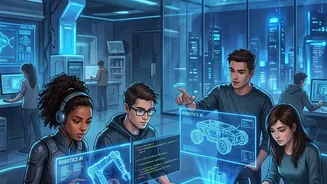
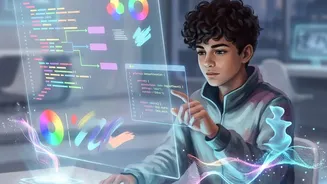
the difficulty of lessons to fit each student's pace. This is a game-changer for educational inclusivity, offering tools like real-time translation and text-to-speech features that help remove barriers for students with disabilities or those learning in a different language. AI tutors can provide 24/7 support, helping with everything from maths problems to coding, which is particularly valuable for students juggling packed schedules. In fact, many students report that their grades have improved with AI assistance, seeing it as a key to faster, more efficient learning.
When the Chatbot Becomes a Confidante
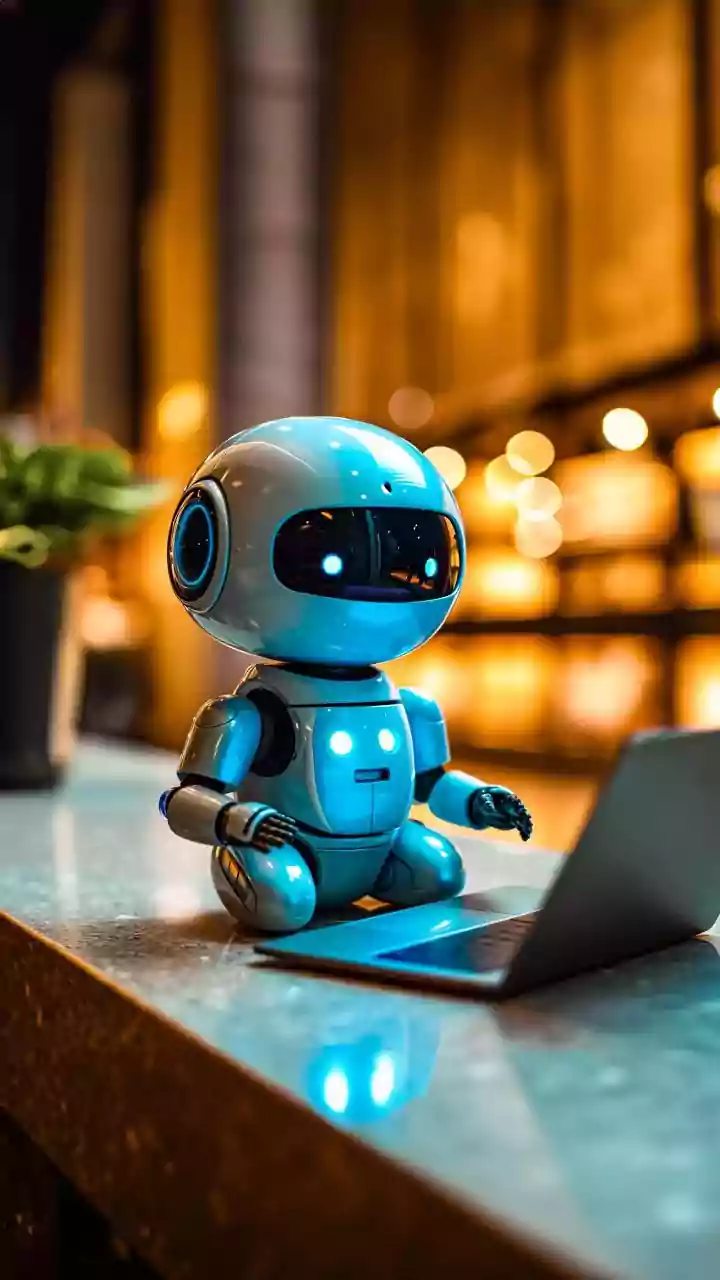
Beyond academics, a more complex relationship with AI is forming. A growing number of young people are turning to AI companion chatbots for conversation, entertainment, and even emotional support. These apps are designed to simulate friendship and are used by millions of young adults. Studies show a significant portion of Gen Z feels a personal connection to AI, with some trusting it for mental health support even more than humans. The appeal is understandable: AI companions offer a judgment-free space to talk and feel heard, which research suggests is a key ingredient in reducing loneliness. For those feeling isolated, an AI that remembers past conversations and is always available can feel like a perfect friend.
The Fine Line to Overdependence
However, this digital companionship comes with risks. Experts warn that over-reliance on AI can blur the lines between real and artificial relationships, potentially leading to a problematic dependency. Some teens themselves have expressed concern that their use has become an unhealthy attachment, disrupting sleep, schoolwork, and real-world friendships. Research indicates that while AI can offer short-term relief from loneliness, it doesn't substitute for human connection and can even make some users feel more isolated in the long run, particularly those with limited offline social networks. The risk is that the convenience of an AI friend discourages the development of crucial social skills and emotional resilience needed to navigate the complexities of human relationships.
Navigating a Future with AI
The challenge isn't to ban or fear AI, but to foster a healthy relationship with it. For parents and educators, this starts with open conversation. It's crucial to teach young users to see AI as a tool to assist their thinking, not replace it. Encouraging them to fact-check AI-generated information and understand its limitations builds critical digital literacy. It's also important for families to establish boundaries around technology, such as creating screen-free times and zones to prioritize face-to-face interaction. Guiding young people to use AI for productivity and learning while seeking genuine human connection for emotional support is key. The goal is to empower them to harness AI's power without letting it diminish their own human experiences.