




Decoding the Dates: Quality vs. Safety
In India, the food-dating landscape is primarily governed by two key phrases mandated by the Food Safety and Standards Authority of India (FSSAI): 'Best Before' and 'Expiry/Use By'. Understanding the distinction is the first step to becoming a smarter
consumer. The 'Best Before' date is all about quality. It tells you the period during which the food will retain its optimal flavour, texture, and nutritional value. After this date, your chips might be less crispy or your spices less pungent, but the food is often still perfectly safe to eat. On the other hand, the 'Expiry/Use By' date is a strict safety deadline. This is found on highly perishable items. Consuming food after this date can pose a health risk, as it may contain harmful bacteria, even if it looks and smells fine.
The High Cost of Confusion
The misunderstanding between these terms has significant consequences. Studies show that confusion over date labels is a major contributor to household food waste. In India, where about 40% of all food produced is wasted, this confusion is a critical issue. Many people mistakenly treat the 'Best Before' date as a safety cut-off, leading them to discard perfectly edible food. This not only puts a strain on household budgets but also has a larger environmental impact. When we throw away good food, we also waste the water, land, and energy used to produce it. Reducing this waste starts with trusting our judgment as much as the printed label.
Trust Your Senses: The Ultimate Food Safety Test
Beyond the printed date, your own senses are your most reliable tools for judging food. For items past their 'Best Before' date, a quick sensory check is usually all that’s needed. First, look at the item. Is there any visible mould, discolouration, or bulging on the package? Canned goods with dents along the seams, rust, or swelling should be discarded immediately. Next, smell it. Spoiled food often develops an 'off', sour, or unpleasant odour. Milk, for instance, will have a distinct sour smell when it has turned. Finally, if it looks and smells okay, check the texture. A slimy film on deli meats or wilting leafy greens are clear signs of spoilage. If it passes all these tests, the food is likely safe to consume.
Pantry Staples vs. Fresh Perishables
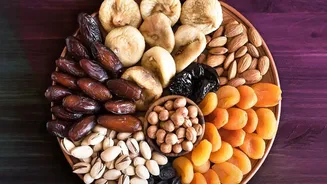
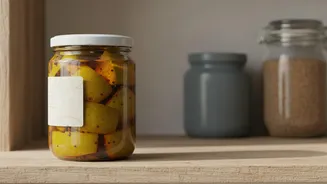
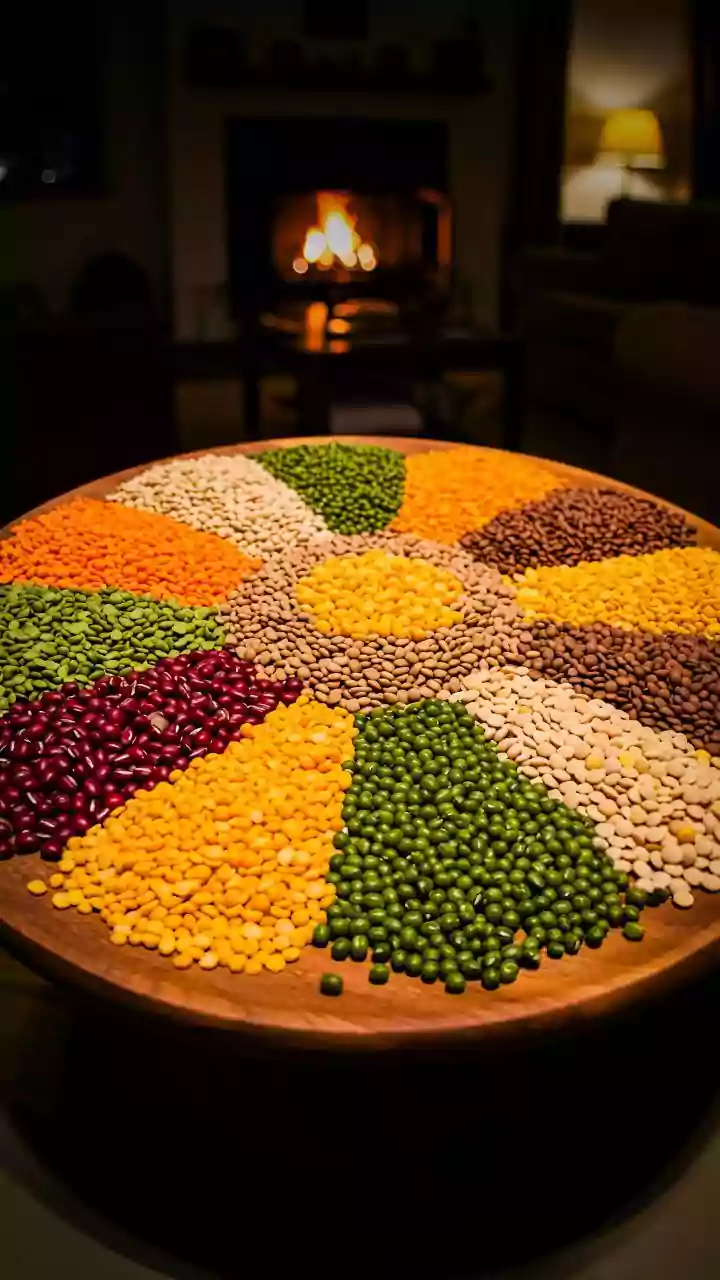
Not all foods are created equal when it comes to shelf life. Many pantry staples are designed for long-term storage and remain safe for months, or even years, past their 'Best Before' date if stored correctly in a cool, dry place. This includes items like uncooked rice and pasta, honey, salt, and most canned goods. Dry goods like pasta may lose some texture over time, and high-acid canned foods like tomatoes might lose flavour, but they remain safe. In contrast, perishable foods require much more caution. These are items with an 'Expiry/Use By' date, such as raw meat and fish, soft cheeses, milk, and pre-prepared salads. For these items, it is best to adhere strictly to the date on the label to avoid the risk of foodborne illness.