





The Allure of the DIY Approach
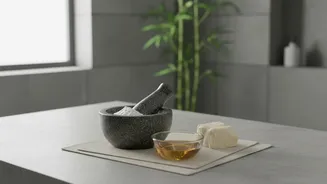
In a world where we are increasingly conscious of the ingredients in our food and cosmetics, making products at home feels empowering. For many in India, the tradition of using household ingredients for skincare is centuries old. The appeal of a homemade
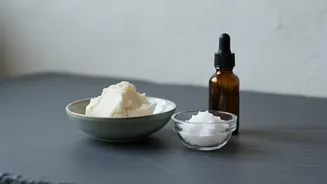
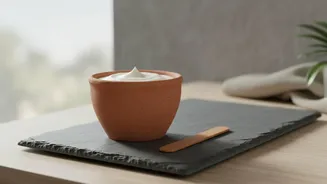
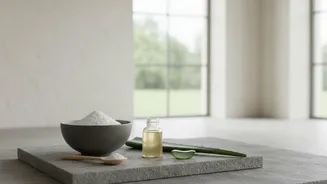
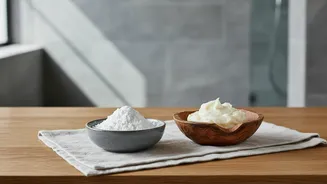
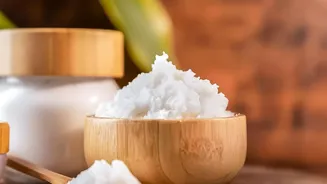
sunscreen is obvious: you control what goes on your skin, you can avoid synthetic chemicals, and it often seems more affordable. Social media is filled with aesthetically pleasing videos of influencers mixing oils, butters, and mineral powders into what looks like a perfect, creamy sunblock. These recipes often promote the use of ingredients like coconut oil, shea butter, and zinc oxide, suggesting they are a safe and effective alternative to commercial products. However, the reality of sun protection is far more complex than simply mixing a few ingredients in your kitchen.
The Unknowable SPF Value
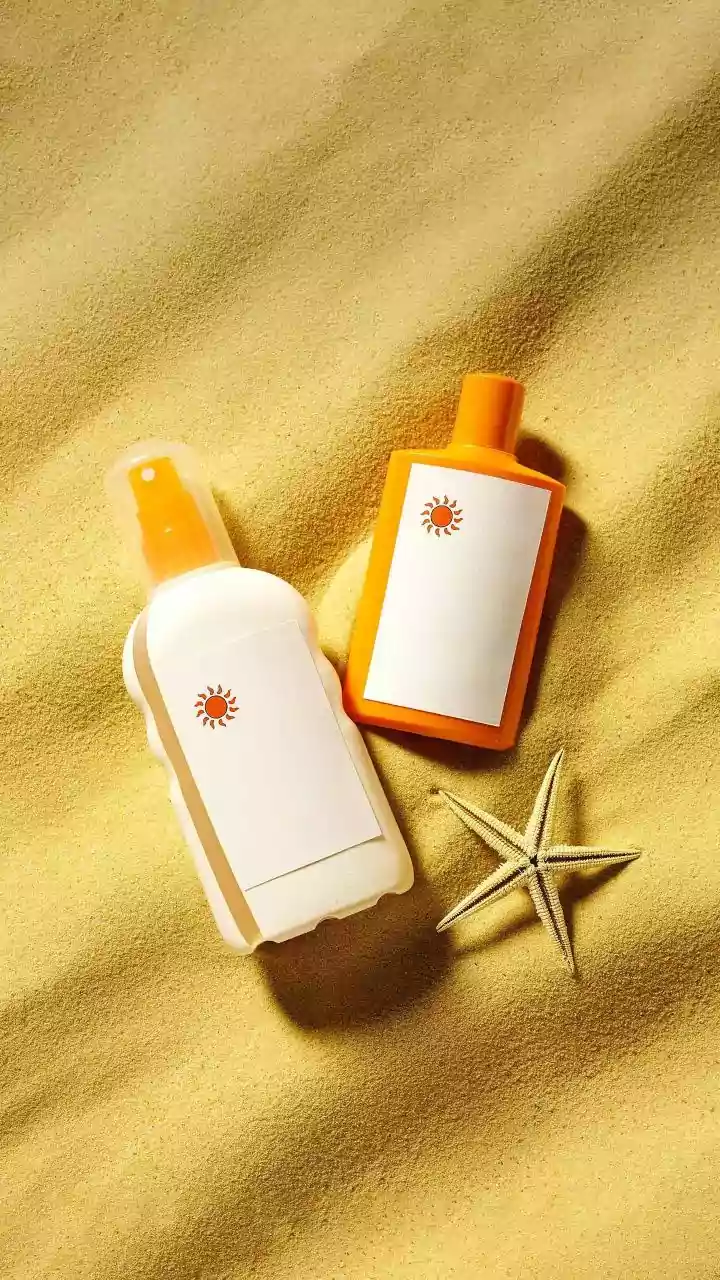
The Sun Protection Factor (SPF) number on a bottle of sunscreen is not a marketing gimmick; it is a scientifically determined measure of protection against UVB rays, which cause sunburn. Commercial sunscreens undergo rigorous, regulated testing to earn their SPF rating. This process, known as in-vivo testing, involves applying the product to human volunteers and measuring how much longer it takes for their skin to show minimal redness when exposed to a controlled UV light source, compared to unprotected skin. This is not something that can be replicated at home. While an ingredient like zinc oxide is a known UV filter, its effectiveness depends entirely on its particle size and how evenly it is dispersed throughout the formula. In homemade mixtures, the particles can clump together, creating an uneven barrier on the skin with unprotected gaps. You have no way of knowing if your concoction is an SPF 2 or an SPF 20, leaving your skin dangerously exposed.
Failing the Water and Sweat Test
For sunscreen to be effective, especially in a warm and humid climate, it needs to stay on your skin. This is where water resistance comes in. You will never see the term “waterproof” on a regulated sunscreen, as the FDA banned it for being misleading. Instead, products are labelled “water-resistant” for either 40 or 80 minutes. This claim is only permitted after the product passes a specific test where its SPF is measured after being submerged in water for the specified duration. Homemade sunscreens are not formulated for this kind of durability. Natural oils and butters can separate or wash off almost immediately upon contact with water or sweat, leaving you completely unprotected. Without the sophisticated emulsifiers and film-forming agents used in commercial formulations, a DIY sunscreen offers a false sense of security at the beach or during any outdoor activity.
A Breeding Ground for Bacteria
Commercial cosmetics contain preservatives for a critical reason: to prevent the growth of harmful bacteria, yeast, and mould. Many DIY sunscreen recipes, particularly those that include water-based ingredients or are stored improperly, create the perfect environment for microbes to thrive. Without preservatives, a homemade product can become contaminated within days, especially if stored in a warm bathroom. Applying a product teeming with bacteria to your skin can lead to irritation, acne, and even serious skin infections. While store-bought sunscreens must have an expiration date to guarantee their stability and effectiveness, homemade versions have no such guarantee. Their shelf life is short, unpredictable, and potentially unsafe.
What Dermatologists Recommend
The consensus among skin health experts is clear: homemade sunscreen is not safe or effective. The American Academy of Dermatology and The Skin Cancer Foundation both warn that these DIY products do not undergo the necessary testing to ensure protection, leaving users vulnerable to sunburn, premature ageing, and an increased risk of skin cancer. While the intention to avoid certain chemicals is understandable, dermatologists point out that regulated sunscreens on the market today are backed by extensive safety data. For those with sensitive skin, there are numerous tested mineral-based options available that use zinc oxide and titanium dioxide in a stable, reliable formulation. The risk of skin cancer from unprotected sun exposure far outweighs the unproven risks of commercial sunscreen ingredients.