






A Global Crisis in the Skies
A comprehensive new review published in July 2026 has delivered a stark verdict: approximately 51% of the world's migratory bird species are experiencing population declines. The study, led by researchers at Georgetown University and involving a global
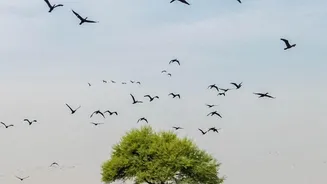
team of ornithologists, synthesises decades of data to provide the most complete picture yet of the health of these travelling species. The findings indicate that the crisis is not isolated to a few rare birds; even once-common species are dwindling. This trend holds true across all major global flyways, the celestial highways that birds use to travel between their breeding and wintering grounds. The report underscores that this isn't a new problem but the result of long-term environmental degradation, a worrying sign for global biodiversity.
India's Critical Role and Vulnerability
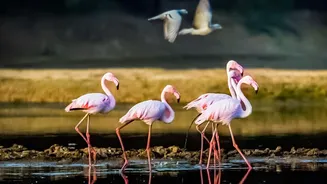
These global trends are deeply concerning for India, which sits at the heart of the crucial Central Asian Flyway (CAF). This flyway is a migratory corridor for over 600 species travelling from their breeding grounds in Siberia and the Arctic to wintering areas in South Asia. The government of India has taken a leading role in conservation, hosting the Coordinating Unit for the newly established CAF Initiative under a UN convention to protect these birds. However, the threats are mounting. The new report highlights that long-distance migrants visiting India are declining faster than resident species. India's wetlands, grasslands, and coastal habitats are vital stopover and wintering sites, but they are under immense pressure from urban expansion, pollution, and the draining of water bodies.
A Cascade of Threats
Migratory birds face a complex web of dangers that span continents and political borders. The primary driver of decline is habitat loss and degradation. Wetlands are drained for agriculture and construction, forests are cleared, and coastlines are developed, leaving birds with nowhere to rest and feed on their arduous journeys. Climate change is another major accelerator. Rising temperatures cause a 'phenological mismatch', where birds arrive at their breeding grounds too late, after their primary food sources like insects have already peaked. Extreme weather events, such as storms and heatwaves, make migration itself more perilous. In India, additional threats include water contamination from pollution, the spread of invasive plants that choke wetlands, and illegal hunting.
Why Their Decline Matters to Us
The decline of migratory birds is more than just a tragedy for birdwatchers; it's a critical indicator of the health of our entire planet. These birds are often called 'ecosystem engineers'. They play a vital role in pollinating plants, dispersing seeds, and controlling insect populations. Their journeys connect ecosystems, carrying nutrients across vast distances. A fall in their numbers signals that the underlying habitats—the wetlands that replenish our water, the forests that regulate our climate, and the coastlines that protect us from storms—are themselves in trouble. In essence, these birds are the canaries in the global coal mine, and their struggle for survival is a warning about broader environmental instability that ultimately affects human food security, water quality, and climate resilience.