


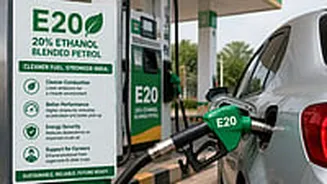


What is E20 and Why is it Everywhere?
E20 petrol is now the standard fuel across India, a strategic shift driven by the government to achieve several national goals. By blending 20% ethanol—a biofuel typically derived from sugarcane—with petrol, the country aims to reduce its massive crude
oil import bill, lower vehicular emissions, and provide a stable income source for farmers. The transition has been rapid, with India achieving its E20 rollout target years ahead of schedule. While the policy has clear economic and environmental objectives, its swift implementation has outpaced public awareness, leaving many drivers, particularly those with sophisticated and expensive engines, questioning the consequences.
The Core Concern for Premium Engines
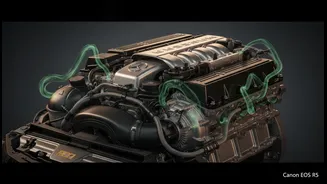
The anxiety isn't without basis. The concerns of premium and high-performance car owners centre on three key properties of ethanol. Firstly, ethanol is hygroscopic, meaning it absorbs moisture from the atmosphere. This raises the risk of water contamination in the fuel system, which can lead to corrosion over time. Secondly, ethanol is a more aggressive solvent than petrol, which could potentially degrade older rubber and plastic components in the fuel lines, seals, and gaskets of vehicles not specifically designed for it. Finally, ethanol has a lower energy density than petrol. The government itself acknowledges that this can lead to a minor drop in fuel efficiency, typically in the range of 3-5%. For finely tuned, high-compression engines, any deviation in fuel composition is a legitimate cause for concern regarding long-term performance and durability.
What the Luxury Car Brands Are Saying
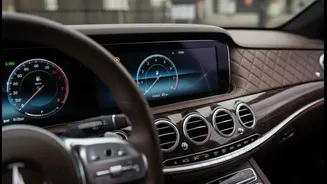
In response to growing consumer uncertainty, several premium manufacturers have issued clarifications. Mercedes-Benz recently released a customer advisory stating that all its petrol vehicles compliant with BS-VI emission norms are "materially compatible with E20 fuel and certified accordingly by relevant authorities". This statement aimed to reassure owners following online discussions about mileage drops. Similarly, BMW Group India has stated that its petrol cars have been designed to handle up to E25 (25% ethanol) for several years, placing them well within the safety margin for E20. Skoda has also confirmed that its models sold after April 2020 are E20 compatible, even if their fuel caps have older E5 or E10 markings. The general consensus from the industry is that most vehicles manufactured since April 2023 are fully engineered and tested for E20 fuel.
The Grey Area: Older Models
The clearest answers apply to newer cars. The ambiguity primarily affects older models, particularly those manufactured before the BS-VI norms came into full effect in 2020. While many manufacturers had begun incorporating ethanol-resistant materials even in earlier BS-IV models, there is no single, all-encompassing guarantee for these vehicles. The accelerated E20 rollout has meant that a significant number of cars designed and certified for E10 (10% ethanol) are now running on the higher blend, as E10 and pure petrol are no longer widely available. This is the trust gap that manufacturers and policymakers are now working to bridge. Some experts suggest that while not ideal, modern engine management systems in most cars from the last decade can adapt to the change, but the long-term effects remain a point of debate.
How to Verify Your Car's Compatibility
For any premium car owner seeking definitive answers, there are three practical steps to take. The first and most reliable source is the vehicle's owner's manual, which should specify the recommended fuel type. The second clue is a sticker that is often placed inside the fuel filler door, which will indicate E20 compatibility on newer models. If doubt persists, the final step is to contact an authorised service centre for your car brand. Armed with your vehicle's identification number (VIN), the dealership can provide the most accurate information specific to your model and manufacturing year. Relying on official confirmation is crucial, as it can have implications for your vehicle's warranty.