








The Third Wave Reimagined
India's coffee market, valued at over USD 9.5 billion in 2025, is projected to grow steadily, exhibiting a compound annual growth rate (CAGR) of around 6.86% through 2034. While instant coffee still dominates due to convenience, the most exciting developments
are happening in the specialty coffee segment. This is India’s version of the “third wave” of coffee, a global movement that treats coffee as an artisanal product, much like wine. However, instead of just replicating international trends, Indian brands are creating a uniquely local narrative. They are looking inward, exploring the subcontinent's own rich agricultural heritage and palate to define the next chapter of growth.
From the Estate to Your Cup
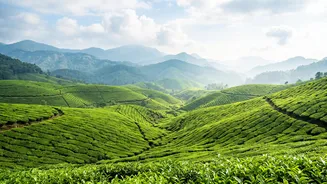
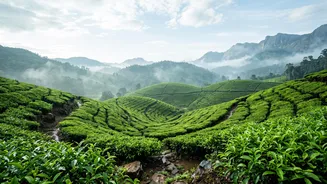
The foundation of this trend lies in celebrating provenance. A new generation of coffee roasters and cafe chains like Blue Tokai, Third Wave Coffee Roasters, and Araku Coffee are putting single-origin Indian beans in the spotlight. These are coffees traceable to a single estate or a specific micro-region, allowing the unique character of the land—the terroir—to shine through. Regions like Chikmagalur, Coorg, and Baba Budangiri in Karnataka, along with the Araku Valley in Andhra Pradesh, are becoming household names among urban coffee drinkers. Brands proudly display the estate's name, altitude, and processing method on their packaging, telling a story of place and turning a simple cup of coffee into an agricultural exploration. This farm-to-cup transparency connects consumers directly to the source, celebrating the farmers and the biodiversity of India's coffee-growing lands.
A Spice Cabinet of Flavours
Beyond the bean itself, local flavours mean embracing India's vast spice heritage. New-age cafes are moving beyond standard syrups and creating signature drinks infused with familiar tastes. Imagine a Masala Mocha with hints of cinnamon and ginger, or a frothy cappuccino dusted with aromatic cardamom. Some are even adding a shot of espresso to a traditional turmeric latte, creating a healthy, immunity-boosting beverage with a caffeine kick. This isn't just about novelty; it's about tapping into a collective flavour memory. These spice-infused brews connect modern cafe culture with the traditional Indian science of blending spices for both taste and wellness, found in drinks like masala chai and kadhas.
The Monsoon Malabar: A Uniquely Indian Coffee
Perhaps no coffee embodies the concept of 'local flavour' more than Monsoon Malabar. This is a specialty bean processed exclusively on the Malabar Coast of Karnataka and Kerala. In a method born from a colonial-era accident, green coffee beans are exposed to the humid monsoon winds for several weeks. This unique process makes the beans swell, turn a pale yellow, and lose almost all their acidity. The result is a coffee with a heavy, syrupy body and a distinctive flavour profile of cocoa, nuts, and mild earthiness that cannot be replicated anywhere else on earth. It’s a flavour shaped entirely by the region's specific climate, making it a true product of its Indian environment.
The Business of Authenticity
This embrace of local identity is smart business. For a new generation of Indian consumers, particularly millennials and Gen Z, authenticity, traceability, and sustainability are increasingly important. They are willing to pay a premium for products with a compelling story and a connection to local communities. By championing Indian estates and flavours, domestic brands create a strong, defensible identity that international chains find difficult to replicate. This hyper-local focus not only builds brand loyalty but also fosters a more sustainable ecosystem, supporting smallholder farms and preserving the country’s rich biodiversity. As India's cafe culture continues to expand beyond metro cities, this celebration of regional identity will likely become even more crucial for brands looking to connect with a diverse consumer base.