






A Lost City Rediscovered
Located about 80 kilometres from Raipur, Sirpur is not a single monument but a sprawling archaeological landscape. Known in antiquity as Shripur, or the 'city of auspiciousness', it was the capital of the Panduvanshi dynasty and a major political and commercial
hub from the 5th to the 12th centuries. For centuries, much of the city was lost to the jungle, with significant excavations only beginning in the 1950s and gaining major momentum after 2003. What archaeologists have since unearthed is a remarkably well-preserved urban centre, including temples, monasteries, palace complexes, and even an ancient market and bathhouse. This vast collection of ruins tells the story of a sophisticated, thriving metropolis.
Where Faiths Flourished Together
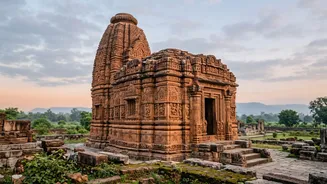
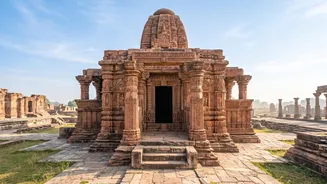
The most compelling case for Sirpur's global significance is its history as a melting pot of religions. Evidence shows that Shaivism, Vaishnavism, Buddhism, and Jainism all coexisted and flourished here, a rare feat in the ancient world. Excavations have revealed 22 Shiva temples, five Vishnu temples, 10 Buddhist viharas (monasteries), and three Jain viharas. The iconic 7th-century Lakshmana Temple, one of India's finest brick temples, stands as a testament to the era's architectural genius. This harmonious blend of faiths is a key reason for its 'Outstanding Universal Value', a core requirement for any World Heritage Site. The 7th-century Chinese traveler Xuanzang even noted the region's flourishing Buddhist presence in his memoirs.
What 'Tentative' Really Means
Gaining a spot on the UNESCO tentative list is a major milestone, but it's the beginning of a long journey, not the destination. This list is essentially an inventory of sites a country believes has the potential for World Heritage status. A site must be on this list for at least a year before it can be formally nominated. Now, the harder work begins. The Archaeological Survey of India (ASI) will need to prepare a detailed nomination dossier, including a comprehensive conservation and management plan. This file will then be rigorously evaluated by advisory bodies like the International Council on Monuments and Sites (ICOMOS). Only after this exhaustive process will the World Heritage Committee vote on whether to grant Sirpur the coveted inscription.
India's Crowded Heritage Pipeline
Sirpur joins a prestigious and diverse list of Indian sites awaiting global recognition. This 'pipeline' showcases the immense depth of India's cultural and natural heritage. On the same day Sirpur was added, two other sites from the Andaman and Nicobar Islands also made the list: the Karst-mud-volcano Complex of Baratang and the Andaman Subduction Volcanoes, highlighting the nation's geological wonders. India's tentative list is a treasure map of potential heritage gems, ranging from ancient temples and cave paintings to unique ecological landscapes. Each nomination represents years of research and a national commitment to preserving these invaluable sites for future generations, reinforcing India's prominent position on the world's cultural stage.