





A Symphony of Vitamins
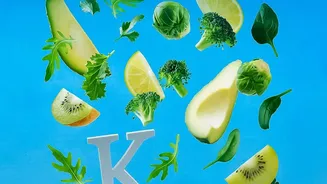
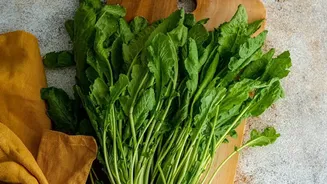
Leafy greens like spinach, kale, mustard greens, and fenugreek (methi) are packed with essential vitamins crucial for our health. They are excellent sources of Vitamin K, which is vital for blood clotting and bone health. They also provide a significant
amount of Vitamin A in the form of beta-carotene, essential for vision and immune function. Furthermore, these greens contain Vitamin C, a powerful antioxidant that supports the immune system and skin health, and folate (a B-vitamin), which is critical for cell growth and metabolism. Understanding this nutritional profile is the first step in figuring out how to best preserve it from the garden to your plate.
The Impact of Heat
Cooking fundamentally changes the chemical structure of food, and leafy greens are no exception. The main concern revolves around heat-sensitive and water-soluble vitamins. Vitamins C and B, particularly folate, are the most vulnerable. When you cook greens, especially by boiling them in water, a significant portion of these vitamins can be destroyed by the heat or leach out into the cooking water. One study showed that boiling spinach could reduce its folate content by nearly half. This is why a salad of raw greens offers a superior dose of Vitamin C compared to its cooked counterpart.
The Fat-Soluble Advantage
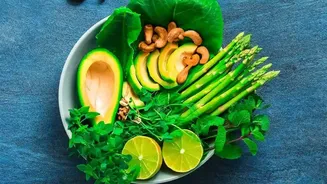
While some vitamins diminish, others become more available with cooking. This is especially true for fat-soluble vitamins: A, E, and K. These vitamins are more stable when heated. More importantly, cooking helps break down the tough cell walls of plants, which releases the nutrients stored within them. For instance, the beta-carotene that your body converts into Vitamin A is more easily absorbed from cooked greens than from raw ones. Adding a small amount of healthy fat, like a drizzle of olive oil or a few nuts, when cooking or dressing your greens can further enhance the absorption of these essential fat-soluble vitamins.
Unlocking Essential Minerals
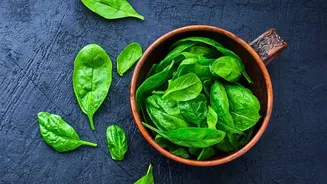
The benefits of cooking extend beyond just vitamins. Many leafy greens, particularly spinach, contain compounds called oxalates. These can bind to minerals like iron and calcium, preventing your body from absorbing them effectively. The cooking process helps to significantly reduce the levels of these oxalates. As a result, your body can absorb more of the valuable iron and calcium from cooked spinach than it can from raw spinach. So, if you're eating greens specifically to boost your mineral intake, a light cooking process can be incredibly beneficial.
Smarter Cooking, Better Nutrition
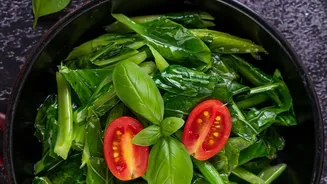
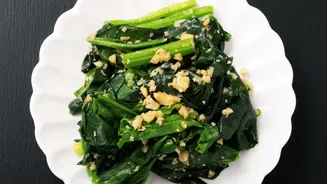
The cooking method you choose plays a pivotal role in nutrient retention. Boiling is generally considered the most damaging method due to the direct contact with large amounts of water and high heat, which maximises the loss of water-soluble vitamins. If you do boil your greens, consider using the leftover nutrient-rich water in soups or gravies. Steaming is a far better option, as it cooks the greens without submerging them in water, preserving more of the delicate Vitamin C and folate. Quick methods like sautéing or stir-frying are also excellent choices. They use minimal water and shorter cooking times, which strikes a good balance between breaking down cell walls and preserving heat-sensitive nutrients.