








An Unconventional Journey Across Seas
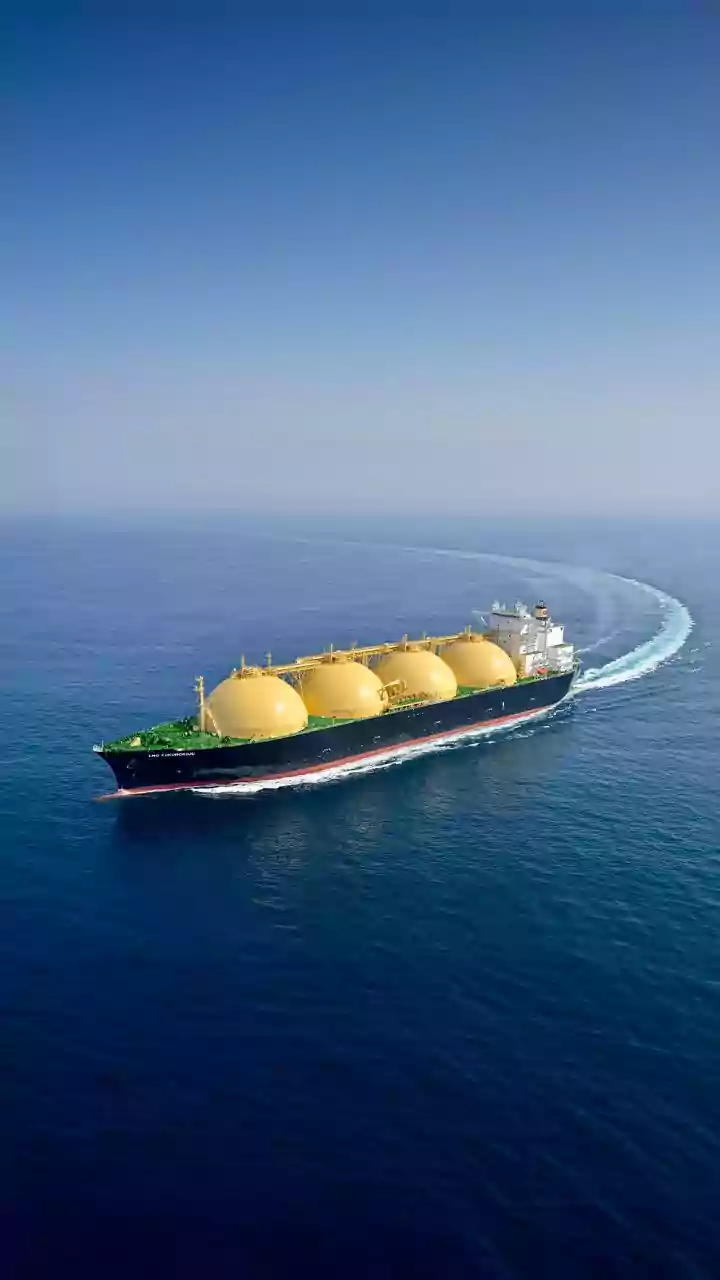
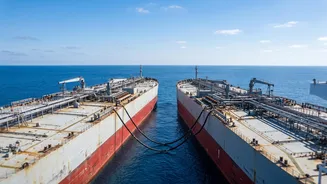
Recent shipments of Indian petrol (gasoline) have reached Russian ports, but not through a direct route. According to shipping data, the cargo began its journey from India before being transferred to other vessels in the Mediterranean Sea. This process,
known as a ship-to-ship (STS) transfer, often occurred near Egypt and sometimes involved vessels turning off their tracking systems, a practice referred to as going 'dark'. These complex logistics underscore the creative measures being used to move fuel across the globe in response to shifting market dynamics. The shipments largely originated from the Vadinar refinery in Gujarat, operated by Nayara Energy, a company in which Russian oil giant Rosneft holds a significant stake.
Why Does Russia Need Indian Petrol?
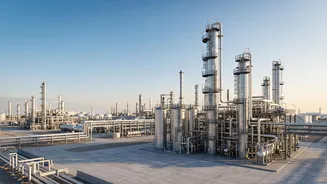
The core reason for Russia's unusual imports is a severe disruption to its domestic refining capacity. Since early 2024, sustained drone attacks have damaged numerous Russian oil refineries, with some reports suggesting a significant drop in domestic production capabilities. These attacks have created a shortfall in refined products like petrol, leading to a fuel supply crunch across the country. To stabilize its domestic market and prevent widespread shortages, Moscow has been forced to look abroad for finished fuels, even as it continues to export vast quantities of raw crude oil. To manage the crisis, Russia has also extended a ban on its own petrol exports until January 2027.
India's Growing Role as a Global Refining Hub
This trade route places India in a pivotal position. Over the past few years, India has become one of the largest buyers of discounted Russian crude oil. Indian refineries have been processing this inexpensive crude and exporting the resulting refined products, such as petrol and diesel, at a profit on the global market. The recent shipments to Russia represent a full-circle moment in this energy relationship: crude flows from Russia to India, is refined, and then the finished petrol is shipped back to Russia. In the last couple of months alone, Indian refiners have reportedly supplied as much as one million barrels of petrol to Russia. This dynamic solidifies India’s status not just as a major consumer, but as a crucial refining and trading hub in the restructured global energy landscape.
Navigating a Sanctioned and Fragmented Market
The logistics of these shipments reveal the complexities of trading with Russia amidst international sanctions. A significant portion of the petrol imported by Russia in August arrived on vessels that are under sanctions. Reports from energy analytics firm Vortexa noted that all petrol cargoes originating from India in August were carried on sanctioned fleets and involved covert ship-to-ship transfers. This shadow network of tankers has become essential for maintaining trade flows that might otherwise be blocked. For India, this trade also offers a potential way to address its significant trade deficit with Russia, which is largely driven by massive crude oil and fertilizer imports. This single headline about a petrol shipment, therefore, is a telling example of how geopolitical conflict and market demand are forging new, unconventional, and often opaque supply chains.