






The Rise of the Super-Drink
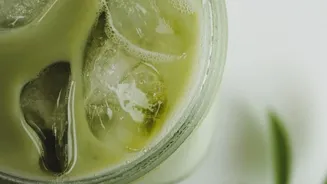
Walk into any trendy cafe or scroll through wellness feeds, and you'll likely spot it: a creamy, green concoction promising a dual-action boost of beauty and energy. Collagen matcha is exactly what it sounds like—a blend of Japanese green tea powder (matcha)
and hydrolysed collagen peptides. This beverage is at the forefront of a larger movement toward functional drinks that do more than just quench thirst. Consumers are increasingly seeking beverages with tangible health benefits, from gut support to mental focus and, most prominently, skin health. The idea is simple: combine the antioxidant power of matcha with the purported skin-plumping properties of collagen for a holistic approach to beauty that starts on the inside.
Decoding the Ingredients: Matcha
Matcha is not your average green tea. It's made from whole, powdered tea leaves, meaning you ingest all of the plant's nutrients. Its biggest claim to fame is its high concentration of antioxidants, particularly a catechin called EGCG (epigallocatechin gallate). These antioxidants help combat oxidative stress from environmental factors like pollution and UV rays, which can accelerate aging. Beyond skin protection, matcha is known for delivering a state of 'calm alertness'. It contains caffeine but also an amino acid called L-theanine, which promotes relaxation without drowsiness, helping to sidestep the jitters and crash associated with coffee. This unique combination can improve focus and cognitive performance.
Decoding the Ingredients: Collagen
Collagen is the most abundant protein in the human body, acting as the primary structural component of skin, bones, and connective tissues. As we age, our natural production of collagen declines, leading to common signs of aging like wrinkles and loss of skin firmness. Ingestible collagen, usually hydrolysed into smaller peptides for better absorption, aims to replenish this. The theory is that by consuming these peptides, you provide your body with the building blocks to stimulate its own collagen production. Numerous studies suggest that consistent use of oral collagen supplements can improve skin hydration, elasticity, and density.
Science vs. Hype: Does it Really Work?
Combining these two ingredients makes synergistic sense. Matcha’s antioxidants protect existing collagen from breaking down, while the collagen peptides provide the raw materials to build more. However, the conversation around ingestible collagen is nuanced. While many studies show modest but positive effects on skin hydration and elasticity after several weeks of use, it's not a magic bullet for wrinkles. Experts caution that high-quality, independent research is still emerging, with some studies being funded by the manufacturers themselves. Furthermore, when you consume collagen, your body breaks it down into amino acids and uses them wherever they are needed most—which may or may not be your skin. That said, the evidence is promising enough that many dermatologists see it as a potentially helpful, low-risk addition to a comprehensive skincare routine.
Is Collagen Matcha Right for You?
If you are considering adding collagen matcha to your routine, quality matters. Look for ceremonial-grade matcha for the highest antioxidant content and a smoother flavour. For collagen, hydrolysed marine or bovine peptides are the most common; marine collagen is rich in the Type I collagen prevalent in skin, while bovine offers Types I and III, supporting skin and joints. Be mindful of a product's sourcing and check for third-party testing to avoid contaminants. While this drink can be a beneficial part of a healthy lifestyle, it’s not a substitute for proven skin health strategies. The most effective ways to protect and support your collagen remain consistent sun protection, a nutrient-rich diet, adequate sleep, and avoiding smoking.