

The Current Price Situation
After a volatile year that saw record highs, gold prices have seen a correction. As of mid-November 2026, 24-karat gold has been trading in a fluctuating range, dipping to around ₹1,33,000 to ₹1,38,000 per 10 grams. This is a noticeable drop from the
peaks seen earlier in the year, providing some relief to consumers. However, prices remain significantly higher than they were this time last year, meaning wedding budgets are still feeling the strain. The recent dip is attributed to a stronger US dollar and expectations of interest rate hikes by the US Federal Reserve, which tend to put downward pressure on gold.
The Wedding Season Demand
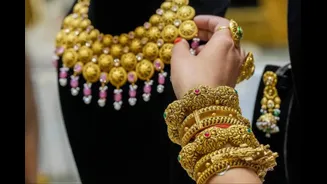
The period from November to February is peak wedding season in India, a time that traditionally accounts for about half of the country's annual gold demand. This predictable surge in buying typically provides a floor for prices, preventing them from falling too steeply. Jewellers restock in anticipation, and families flock to make their customary purchases. According to the World Gold Council, demand during the recent festive period was healthy, with jewellers reporting higher footfall. However, a key trend has emerged: while people are spending more in value terms, the actual volume of gold being bought is flat or slightly higher, indicating a shift towards lighter-weight jewellery to cope with the high prices.
What the Experts Are Saying
Analysts are divided on where prices will go next. Some see the potential for further dips, with one technical analysis suggesting prices could fall towards ₹1.25 lakh if certain support levels are broken. This is largely dependent on global factors, like US inflation data and Federal Reserve policy. Others believe the wedding season demand will provide strong support, keeping prices firm. The consensus is that volatility is here to stay. Forecasts for the end of 2026 from major banks vary, but many see prices recovering or stabilising from the current lows. The key takeaway for a buyer is that trying to perfectly time the bottom of the market is a risky game.
Smart Strategies for Wedding Shoppers
Given the uncertainty, how should you approach your wedding gold purchase? The first rule is not to panic-buy or wait indefinitely. Experts suggest staggering your purchases; instead of buying all your jewellery at once, spread it out over a few weeks to average out the price. Pay close attention to making charges, which can range from 8% to over 25% and vary significantly between jewellers. Many retailers are also seeing a surge in customers exchanging old gold, which can offset the cost of new pieces by 40-60%. Also, consider booking your jewellery with a rate-protection plan, which allows you to lock in a price while still benefiting if rates fall before delivery. Finally, with prices high, many are opting for 18K gold over 22K for certain pieces or choosing designs that are lighter and more intricate to stay within budget.
Alternative Ways to Invest
While physical jewellery is essential for weddings, the high prices have also boosted interest in other forms of gold. Indian gold Exchange Traded Funds (ETFs) have seen consistent inflows, as investors use price dips as buying opportunities without incurring making charges or storage hassles. Digital gold offered by various platforms has also become a popular way to accumulate gold in small, affordable amounts over time, which can later be redeemed for physical jewellery or coins. For families planning a wedding in the more distant future, these methods can be a practical way to build a gold corpus without being exposed to a single day's price volatility.