




A Continental Comeback
Not long ago, the grey wolf was a ghost in most of Europe. Hunted and driven from its habitat, populations dwindled to a few isolated pockets. But thanks to legal protections like the EU Habitats Directive, a decrease in poaching, and a growing public
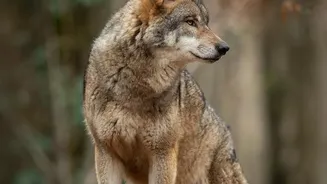
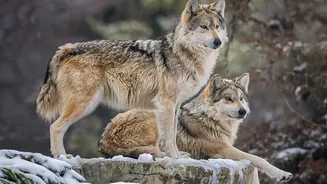
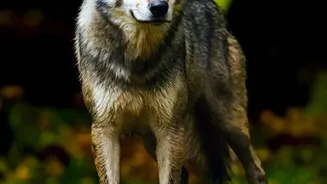
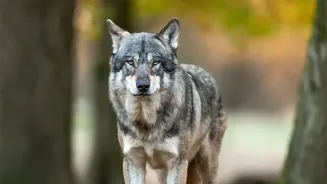
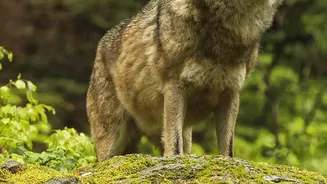
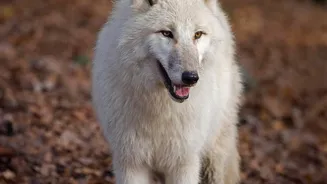
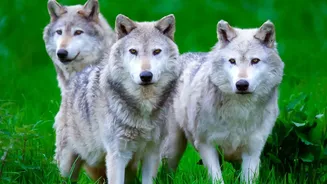
tolerance, the wolf is making a spectacular return. Recent estimates suggest the European wolf population has surged by nearly 60% in the last decade, with over 21,500 individuals now roaming the continent. This is not a story of reintroduction; wolves have largely reclaimed their ancestral territories on their own, dispersing from strongholds in Italy and Eastern Europe into countries like Germany, France, and beyond. Germany, which had just one wolf pack in the year 2000, now has more than 200. This surprising recovery in a human-dominated landscape is hailed as one of the great conservation triumphs of our time.
From Fear to Fascination
For centuries, the wolf was a villain in European folklore, a symbol of danger to be eradicated. Today, that perception is shifting. The return of this apex predator is now seen by many as a sign of a healthy, rewilding ecosystem. This change in attitude has paved the way for a new kind of nature-based tourism. Adventure travellers and wildlife enthusiasts are increasingly seeking the thrill of tracking these elusive animals. This burgeoning industry provides a tangible economic incentive for conservation, funneling money from tourism directly into rural communities. Local guides, family-run hotels, and restaurants in areas like Spain's Sierra de la Culebra are seeing the benefits, proving that a living wolf can be more valuable to a local economy than a dead one. While the total economic value is still being studied, the principle is clear: wildlife tourism creates a powerful argument for coexistence.
Europe's Wolf-Watching Hotspots
For those hoping to catch a glimpse of a wild wolf, several destinations across Europe offer unique experiences. In Spain's Sierra de la Culebra, a healthy population of the Iberian wolf subspecies has made the region a premier spot for wolf-watching. In Italy, the Abruzzo National Park is a stronghold for the Apennine wolf, where the animals have coexisted with humans for decades in a landscape of ancient beech forests and mountains. Further north, Poland's Białowieża Forest, a remnant of Europe's primeval woodlands, offers the chance to track wolves in winter, when snow makes it easier to spot their trails. Even Germany's Lusatia region, where the comeback began just over two decades ago, is becoming a destination for those curious about how wolves are adapting to a modern landscape.
The Reality of a Wolf Tour
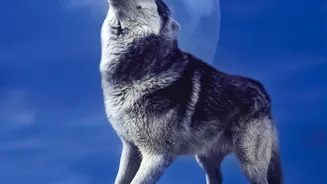
A wolf-watching trip is more about the journey than the destination. These animals are famously shy and elusive, and sightings are never guaranteed. Responsible tour operators focus on the art of tracking: searching for prints, scent markings, and other signs of their presence. The experience is about patience, immersing yourself in the wilderness, and learning about the wolf's ecology from expert guides. Travellers spend hours scanning vast landscapes with spotting scopes, listening for a distant howl at dusk, and learning about the entire ecosystem the wolf supports. Ethical tourism is paramount; reputable tours prioritize the animals' welfare, ensuring they are not disturbed. The thrill lies in knowing something truly wild is moving through the same hills, a powerful reminder of nature's resilience.
A Complicated Coexistence
The return of the wolf is not without conflict. For livestock farmers, the predator’s success brings a very real threat. Across the EU, wolves are responsible for killing tens of thousands of domestic animals annually, creating significant economic and emotional hardship for rural communities. This has led to intense social and political debates about how to manage wolf populations, with some calling for culls and others advocating for better prevention methods like electric fences and livestock guarding dogs. Misconceptions and fear still influence how wolves are perceived in many areas. Finding a balance where both people and predators can thrive is the next great challenge in this ongoing story, requiring strategies that address both the ecological reality and the human dimension of their return.