






A Vlogger's Viral Complaint
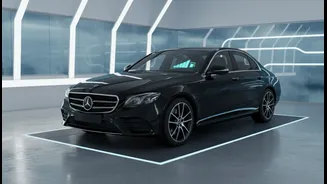
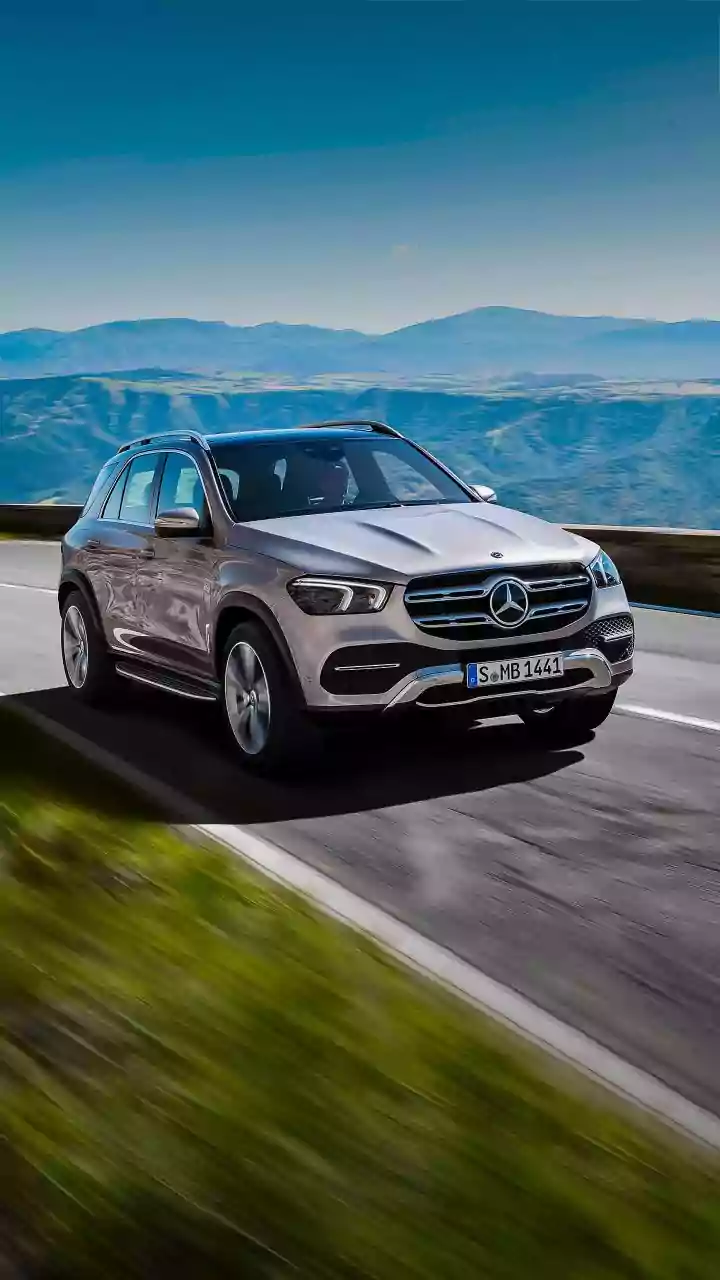
The controversy began when popular Indian YouTuber Sourav Joshi posted a video claiming the fuel efficiency of his Mercedes-Benz GLC SUV had plummeted. Joshi, who has a massive following, detailed how his car's mileage, which he said was normally around
16-17 kilometres per litre, had dropped to as low as 5 km/l. He also noted that the vehicle's estimated driving range on a full tank had fallen from about 800 km to 480 km. In his vlog, Joshi speculated that the recently introduced E20 petrol (a blend of 20% ethanol and 80% petrol) was the culprit, voicing concerns about potential engine damage.
Social Media Amplifies the Issue
Joshi's video quickly gained traction across social media platforms, igniting a widespread discussion about the real-world impact of E20 fuel on vehicles in India. Many car owners shared their own anxieties and experiences, while others questioned the vlogger's methodology. The clip showcased the significant influence content creators can have in shaping public perception and holding major brands accountable. The vlogger's concern about needing to transport his premium vehicle from his home in Haldwani to a service centre in Delhi also resonated with many viewers in non-metro areas.
Mercedes-Benz Issues a Swift Clarification
In response to the growing online debate, Mercedes-Benz India issued a formal "Customer Advisory." Without mentioning Joshi by name, the company stated that all of its BS VI petrol vehicles are fully and materially compatible with E20 fuel and have been certified as such by the relevant authorities. The statement was a clear attempt to reassure customers and decouple the brand from the broader controversy surrounding ethanol-blended fuel. The carmaker reiterated its commitment to vehicle performance and reliability, advising customers with technical questions to contact the company for support.
An Engine Issue, Not a Fuel Problem
The mystery took a significant turn when Joshi posted an update after visiting a Mercedes service centre. In a follow-up statement, he clarified that the dramatic mileage drop was not due to the E20 fuel as he had initially feared. Instead, technicians had reportedly diagnosed an "engine issue" as the cause of the problem. Joshi subsequently apologized for the misunderstanding and stated his intention was never to spread incorrect information, even trimming the original segment from his vlog. However, by that point, the original clip had already been widely circulated by others.
The Lingering Questions and Takeaways
While Mercedes-Benz clarified its vehicles' compatibility with E20 fuel and the vlogger has since pointed to a mechanical fault, the incident leaves behind important takeaways. For consumers, it highlights the gap between a vehicle's certified compatibility and the potential for individual mechanical failures that can cause similar symptoms. Experts note that a mileage drop as severe as 70% is highly unlikely to be caused by E20 fuel alone, which typically results in a minor efficiency loss of 1.5% to 3%. Such a drastic change almost always points to a significant mechanical or sensor failure, or possibly fuel adulteration. This episode serves as a powerful case study on the speed of online information and the complex relationship between influencers, consumers, and global brands in the digital age.