



Swap Arashiyama's Bamboo Grove For Adashino Nenbutsu-ji
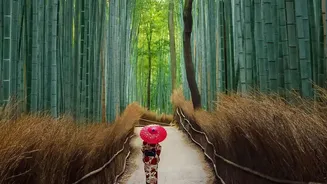
The Arashiyama Bamboo Grove in Kyoto is world-famous, but the reality is often a slow shuffle through a sea of selfie sticks. For a more tranquil and deeply spiritual experience, head to Adashino Nenbutsu-ji, located in the same Sagano area. This temple
features its own beautiful bamboo path that is far less congested. Its grounds are home to some 8,000 stone statues, which represent the souls of those who died without kin, creating a profoundly moving and peaceful atmosphere that the crowds of Arashiyama simply cannot offer. The walk to the temple itself takes you through a preserved historic area, adding to the sense of stepping back in time.
Swap Fushimi Inari's Torii Gates For Nezu Shrine
The endless tunnels of red gates at Kyoto's Fushimi Inari are a bucket-list image for many, but the path is almost always congested. For a similar visual spectacle without the overwhelming crowds, visit Nezu Shrine in Tokyo. This historic shrine, one of the city's oldest, features its own stunning pathway of vermilion torii gates set against lush greenery. While it is a popular spot, especially during the spring Azalea Festival, it retains a more local and authentic feel compared to the international tourism hub of Fushimi Inari. Arriving early in the morning will reward you with quiet moments and beautiful light, perfect for photography and quiet reflection.
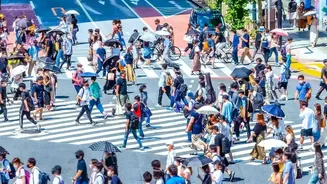
Swap Shibuya Crossing's Chaos For Shimo-kitazawa's Vibe
Tokyo's Shibuya Crossing is a mesmerizing spectacle of synchronized chaos, but the experience can be more overwhelming than enjoyable. To immerse yourself in Tokyo's vibrant youth culture in a more relaxed setting, spend an afternoon in Shimo-kitazawa. This bohemian neighbourhood is a maze of narrow streets packed with independent vintage clothing stores, tiny cafes, record shops, and live music venues. It offers fantastic people-watching and a genuine sense of contemporary Tokyo life, trading the tourist-heavy scramble of Shibuya for a laid-back, creative energy that feels more accessible and authentic.
Swap Dotonbori's Crowds For Shinsekai's Retro Charm
Osaka's Dotonbori district is a feast for the senses with its giant neon signs and endless street food stalls, but it’s also intensely crowded. For a similar, yet distinctly retro, experience, head to the nearby Shinsekai district. This neighbourhood, developed before the war, feels like a nostalgic trip into another era, dominated by the iconic Tsutenkaku Tower. Shinsekai offers its own dazzling display of old-school neon lights and is the birthplace of kushikatsu, Osaka's famous deep-fried skewers. It delivers the same energetic, food-centric fun as Dotonbori but with a grittier, more local atmosphere and fewer tourist bottlenecks.
Swap Central Kyoto's Temples For The City of Kanazawa
Kyoto is the cultural heart of Japan, but its popularity can make visiting its famous temples feel like a chore. Instead of fighting the crowds, consider a trip to Kanazawa in Ishikawa Prefecture. Often called "Little Kyoto," this city offers a wealth of beautifully preserved history without the overwhelming tourist numbers. Kanazawa boasts one of Japan's three most beautiful landscape gardens, Kenrokuen, as well as pristine samurai and geisha districts that are a joy to explore. Its proximity to the sea means it also has a fantastic food scene, centered around the bustling Omicho Market. Kanazawa provides the traditional charm many seek in Kyoto but in a more compact and tranquil package.