

Two Blooms, Two Timelines
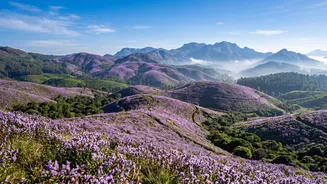
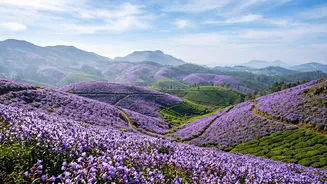
If you thought the last Neelakurinji bloom was in 2018, you are correct. The next massive, valley-wide flowering in the famous Eravikulam National Park is still on schedule for 2030. So, what is happening now? Munnar is home to different populations of
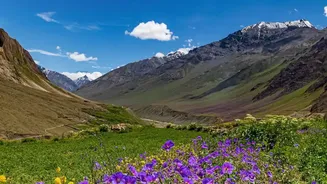
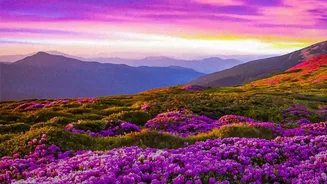
the Strobilanthes kunthiana shrub, and they don’t all operate on the same 12-year clock. The current 2026 bloom is occurring in a separate population of these endemic plants, primarily around the Chokramudi, Sevenmalai, and Mattupetty-Korandakkad hills. This specific cluster last flowered in 2014, making 2026 its scheduled year to burst into colour. This has created a unique situation: a significant, yet localized, bloom is underway, offering a rare spectacle four years ahead of the more famous event.
The Main Development: Managing the Surge
The unexpected attention on the 2026 bloom has put authorities on high alert. The main development to watch is the immediate rollout of crowd and conservation management strategies. Learning from the logistical challenges of the 2018 event, which saw massive traffic jams and concerns over waste, the Idukki district administration is already taking action. For the current bloom, officials are working with the Forest Department and tourism bodies to manage the influx of visitors. Plans are underway for online booking slots and deploying additional state-run buses to regulate access to the fragile grasslands where the flowers are blooming. This is a real-time test for the much larger event expected in 2030.
Protecting a Fragile Wonder
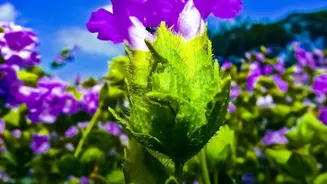
The Neelakurinji is more than just a beautiful flower; it is a critical part of the Shola ecosystem in the Western Ghats. The plant is monocarpic, meaning it flowers only once in its lifetime, sets seed, and then dies. This makes each bloom a crucial moment for the species' survival. The current flowering is happening largely outside the protected core of Eravikulam National Park, highlighting an urgent need to safeguard these alternative sites. Authorities have already had to take action against visitors for damaging the plants. Two youths were recently booked for plucking the protected flowers to create social media posts, facing potential fines and imprisonment. These incidents underscore the delicate balance between promoting tourism and enforcing strict conservation rules to ensure the plant can complete its life cycle undisturbed.
Infrastructure Plans for the Future
Looking beyond the immediate 2026 bloom, Munnar is in the midst of a major infrastructure overhaul aimed at long-term sustainable tourism. With Munnar receiving an estimated 30 million visitors in 2025, the government is focusing on solving chronic issues like traffic, parking, and sanitation. Proposals include building new parking facilities, improving public toilets, and enhancing waste management systems. A more ambitious plan involves exploring an elevated road system to decongest the town, a proposal that will be discussed with the National Highways Authority. These development plans are part of a broader strategy to position Munnar as a global responsible tourism destination, ensuring it can handle the massive crowds for the 2030 bloom without compromising its sensitive ecology.