


A Ritual of Taste and Texture
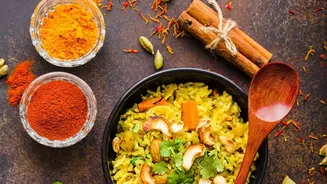
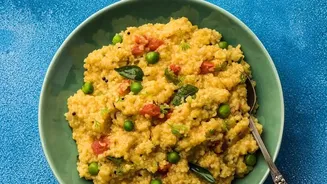
Before the city fully wakes, vendors across India are already serving up a centuries-old heritage on a plate. It’s the soft, turmeric-kissed poha from Maharashtra, often jazzed up in Indore with crunchy sev and a sweet jalebi on the side. It’s the deep-fried,
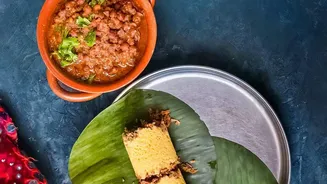
flaky kachori from Rajasthan and Uttar Pradesh, a breakfast so integral that locals might ask, “If you haven’t eaten the kachori-jalebi, what have you even experienced?”. In the south, it’s the pillowy-soft idli, a steamed and fermented rice cake that is gentle on the stomach and a perfect vehicle for coconut chutney and sambar. These aren't just meals; they are complex symphonies of flavour and texture. Think of the crispy outer shell of a kachori giving way to a soft, spiced lentil filling, or the delightful chaos of Indori poha, where soft flattened rice meets the crunch of peanuts and the sweet burst of pomegranate seeds. This is food designed to jolt the senses awake, a far cry from a sterile bowl of oats.
The Community on the Corner
The street breakfast is a great equaliser. Here, people from every walk of life—students, office-goers, rickshaw drivers, and CEOs—stand shoulder-to-shoulder, united by a shared love for a well-made snack. The street food stall is what sociologists call a “third space,” a place beyond home and work where community is built. Friendships are forged over steaming cups of chai, and vendors become neighbourhood legends, their recipes passed down through generations. This social fabric is as nourishing as the food itself. The daily act of gathering at a favoured cart is a ritual that reinforces social bonds and a sense of belonging. It’s a moment of connection in an increasingly disconnected world, a reminder that food is not just fuel, but a fundamental part of our social and cultural lives.
More Than a Calorie Count
In an age obsessed with macros and calorie tracking, it’s easy to dismiss a deep-fried puri or a butter-laden paratha as “unhealthy.” But to reduce these culinary artefacts to mere nutritional data is to miss the point entirely. While some street foods are surprisingly nutritious—like steamed idli or protein-rich chana chaat—their primary purpose was never to fit into a modern diet plan. These dishes were born of practicality, geography, and history. Kachoris, for instance, were ideal for Rajasthan's arid climate as they could be stored for days. Street food was designed to be affordable, flavourful, and quick, feeding millions of people on the go. Judging a plate of chole bhature by the standards of a kale smoothie is a fundamental misunderstanding of its cultural role. It’s about comfort, celebration, and heritage served in a paper wrap.
Soul Food Is Also Health Food
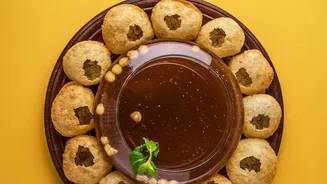
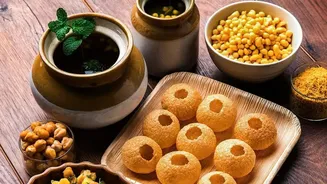
There is a different kind of health that a street breakfast serves—the health of the soul. This is the food of nostalgia, of memory, and of identity. For many, the taste of a specific vada pav or poha is a direct link to their childhood, a sensory anchor to a time and place. This emotional connection provides a unique form of sustenance that cannot be measured in vitamins or minerals. It's the joy of standing in the rain with a hot bhutta, or the post-college ritual of sharing pani puri with friends. In this context, the food isn't just feeding the body; it's feeding a deeper human need for connection, comfort, and a sense of belonging. This is what makes street food an enduring and cherished part of Indian life, resilient against the ever-changing tides of dietary fads and wellness trends.