


A Global Reality Check on Diet Costs
Every year, the United Nations releases its 'State of Food Security and Nutrition in the World' (SOFI) report, and the 2026 edition delivers a sobering message. While global hunger has thankfully declined, the report reveals that a healthy, nutritious
diet is unaffordable for a staggering 2.7 billion people worldwide. For India, the findings are a double-edged sword. While the nation has made incredible strides in reducing hunger, the report estimates that over 520 million people—more than one in three Indians—cannot afford a consistently healthy diet. The UN calculates this cost using a metric for a diet that meets nutrient needs with a diversity of foods. In 2025, this cost for India was estimated at about $4.11 in purchasing power parity terms per person, per day, a sharp 48% increase since 2017. This single statistic reframes the entire conversation around healthy eating, shifting the focus from simply getting enough calories to accessing quality nutrition affordably.
The Myth of the Magic Superfood
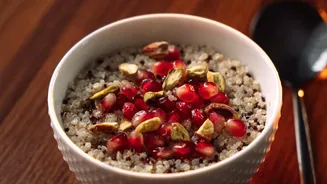
The term 'superfood' is primarily a marketing tool, not a scientific classification. It’s used to describe foods, often exotic and expensive, that are dense in nutrients like antioxidants, vitamins, or omega-3 fatty acids. Think of chia seeds, kale, avocados, and quinoa. While these foods are certainly nutritious, their premium price tags create a sense of anxiety and the false idea that health is a luxury. A single kilogram of quinoa can cost several hundred rupees, while an avocado might set you back more than a family’s entire vegetable budget for a day. The superfood trend suggests that optimal health comes from these specific, often imported, ingredients. However, this narrative conveniently overlooks a crucial fact: no single food can transform your health on its own. True nutrition is built on the foundation of a balanced and varied diet, not on chasing the latest expensive trend.
The Quiet Power in Your Pantry
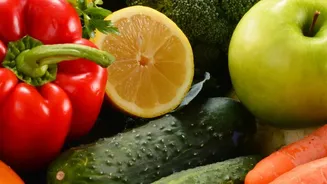
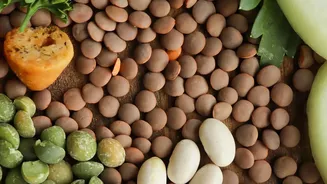
The real nutritional heroes are often the ones that have been in our kitchens all along. Traditional Indian cuisine is naturally rich in what many would call superfoods, without the fancy labels or inflated costs. Millets like jowar, bajra, and ragi are packed with fibre and minerals, often outperforming quinoa in nutritional value. Lentils and pulses (dal), the backbone of countless Indian meals, are excellent sources of protein and fibre. Seasonal green vegetables, from spinach (palak) to mustard greens (sarson ka saag), are loaded with vitamins and iron. Even spices like turmeric (haldi) and fruits like Indian gooseberry (amla) have powerful antioxidant and anti-inflammatory properties. Amla, for instance, contains significantly more Vitamin C than imported acai or goji berries. These everyday staples are not just affordable; they are nutritionally dense and perfectly suited to our bodies and climate.
Doing the Rupee-to-Nutrient Math
When you view nutrition through the economic lens provided by the UN report, the argument for everyday foods becomes undeniable. If a healthy diet costs a certain amount per day, spending a large chunk of that on a single, expensive ingredient is simply inefficient. The cost of nutrient-dense foods like fruits, vegetables, and protein sources is the primary driver of diet costs, according to the UN. A meal built around dal, seasonal vegetables, and whole-wheat roti or millets easily fits within an affordable budget while delivering a complete profile of protein, carbohydrates, and micronutrients. In contrast, a meal incorporating a small portion of quinoa or a few slices of avocado can quickly exceed that daily cost, offering little extra nutritional benefit compared to its local counterparts. The choice is clear: you can achieve superior nutrition for a fraction of the cost by embracing the diversity of local, seasonal produce and traditional grains.