







The Constant Gamble Against the Weather
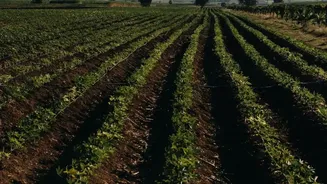
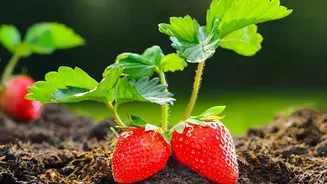
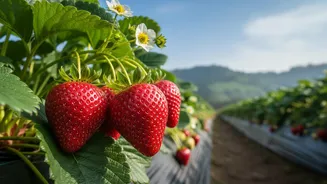
For generations, strawberry growers in the Mahabaleshwar region have relied on experience and instinct to protect their delicate crops. Farming the luscious red fruit is a labour-intensive and risky business. An entire field can be ruined by a single,
untimely heavy rain, and farmers often invest significant capital each season just for the young plants. The climate makes it a huge gamble. Unpredictable weather, from hailstorms to sudden heatwaves, is a primary challenge, impacting both the quality and quantity of the harvest. A critical task for any farmer is applying fungicides and pesticides to protect the plants. This is an expensive but necessary step. The problem arises when a farmer sprays their fields, only for a sudden rain to wash the costly chemicals away before they can take effect. This not only results in a direct financial loss but also leaves the crop vulnerable until the next application.
How AI Changes the Equation
Now, a new ally is tipping the odds in the farmers' favour: artificial intelligence. Agri-tech initiatives are providing hyper-local weather forecasts directly to farmers' phones. These aren't your standard weather apps. Instead, they use AI and machine learning models to analyze vast amounts of data, including satellite imagery, historical weather patterns, and real-time information from local monitoring stations. The result is a highly accurate, short-term forecast that can predict with greater precision when and where rain will fall. A farmer considering spraying their crop can receive an alert advising them to delay the application, saving expensive chemicals from being washed away. This allows them to move from a calendar-based schedule to a need-based one, a fundamental shift in farm management.
From Prediction to Profit
The impact of these AI-driven advisories is tangible and immediate. The primary benefit is a significant reduction in input costs. By avoiding unnecessary sprays, farmers can cut down on their expenditure on pesticides and fungicides, which form a major part of their seasonal budget. Some pilot projects in Indian agriculture have shown that this targeted, need-based approach can reduce pesticide usage by up to 40%. This doesn't just improve the farmer's bottom line; it also has positive environmental effects by reducing chemical runoff into the soil and water. Furthermore, by ensuring that crop protection measures are applied at the most effective times, the overall health of the plant is improved, leading to better quality fruit and potentially higher yields. One report on a farmer in Maharashtra using AI advisory services noted a 25% reduction in input costs while maintaining the previous season's yield.
The Future of Farming is Smart
The application of AI in Mahabaleshwar is part of a much larger trend transforming Indian agriculture. Technology is helping to address long-standing challenges like water scarcity, soil health, and market access. AI-powered platforms can now offer farmers a suite of services, from identifying pests using a smartphone camera to providing real-time market prices to help them get a better deal for their produce. Government initiatives like BharatVistaar are also working to bring AI-enabled advisories to lakhs of farmers across the country, providing information in local languages on everything from weather to crop management. For the strawberry growers of Mahabaleshwar, this technology represents more than just a convenience; it's a tool for resilience, helping them adapt to the increasing unpredictability of climate change and secure their livelihoods for years to come.