




The Art of Selecting the Perfect Lychee
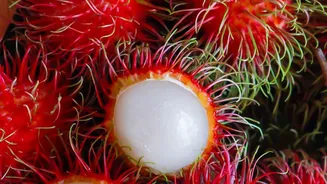
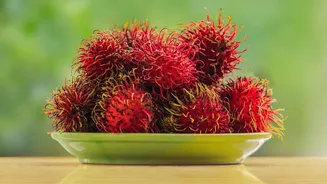
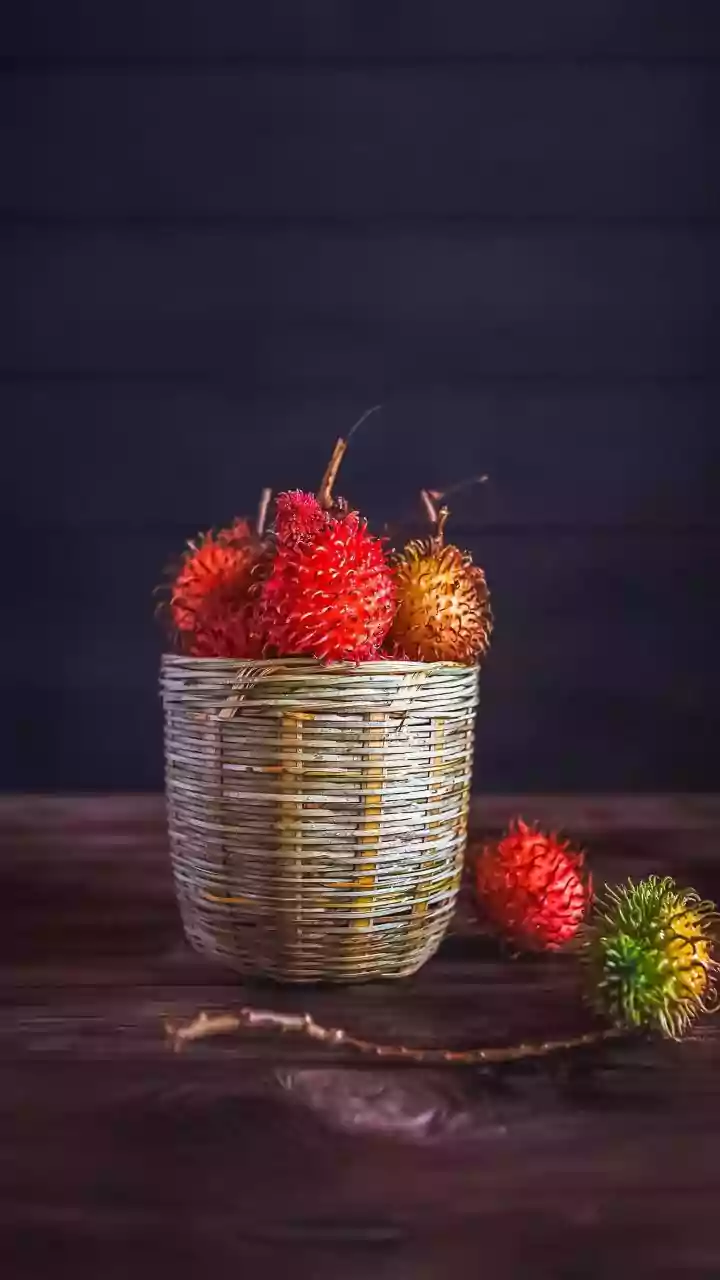
Your journey to lychee perfection begins at the market. Since lychees do not ripen after being picked, choosing the right ones is crucial. Look for fruits that are at least an inch in diameter with vibrant, reddish-pink skin. A healthy lychee should feel
firm but have a slight give when you press it gently. If it’s rock-hard, it may be underripe; if it's too soft or leaking juice, it’s likely overripe and may have a fermented, sour taste. A fragrant, floral scent is another good sign of ripeness. Avoid lychees with cracked or blemished skin. While some browning can occur from dehydration and may not affect the taste, widespread dark spots are a red flag.
How to Store Lychees for Lasting Freshness
Once you bring your precious haul home, proper storage is key to preserving their flavour and texture. Do not peel them until you are ready to eat, as the skin protects the delicate flesh. The best way to store whole lychees is in the refrigerator. Place them in a perforated plastic bag or a container, adding a paper towel to absorb any excess moisture which can hasten spoilage. This method prevents them from drying out in the cool air, which can cause the skin to brown. Stored correctly in the fridge, your lychees can last for up to a week, and sometimes even two.
The Gentle Peel: Preserving the Fruit
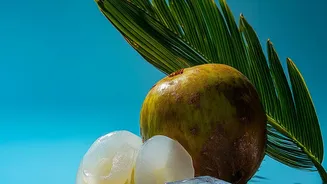
The headline says it all: gentleness is paramount. Mishandling the fruit during peeling can crush the tender flesh, ruining the texture and making for a messy experience. The goal is to remove the bumpy skin while keeping the translucent, grape-like fruit intact. For a ripe lychee, this is surprisingly easy. Hold the fruit near the stem and use your thumbnail to pierce the skin. From there, you should be able to peel away the rind in a few large pieces. An alternative method is to gently squeeze the fruit near the stem; a ripe lychee’s shell will often crack and separate from the flesh, allowing you to peel it off in two halves. Once peeled, you can gently split the fruit with your fingers or a small knife to remove the large, inedible seed inside.
Why Bruising Matters
Bruising a lychee does more than just make it look unappealing. Mechanical damage to the fruit’s cells triggers an enzymatic reaction. Enzymes like polyphenol oxidase are released, which react with phenolic compounds in the fruit, causing the flesh to brown and lose its structural integrity. This process not only affects the texture, making it mushy, but can also alter the delicate, sweet-tart flavour. A bruised lychee is still safe to eat, but it won’t deliver the premium sensory experience of a perfectly handled one. This is especially important if you're using the fruit for decoration in desserts or salads, where appearance is key.
Simple Ways to Enjoy Your Lychees
The best way to appreciate a perfect lychee is to eat it fresh and chilled, right after peeling. The cool temperature enhances its natural sweetness. But their versatility extends far beyond a simple snack. Add whole, peeled lychees to a fruit salad, where their sweet flavour pairs beautifully with other tropical fruits like mango and pineapple. Muddle them with mint and lime for a refreshing mocktail, or blend them into a smoothie. For a simple dessert, freeze peeled and deseeded lychees; they take on a sorbet-like texture that’s incredibly refreshing on a hot day. They can also be incorporated into more complex dishes, like panna cotta, ice cream, or even savoury marinades and salads.