



The Magic of a Well-Seasoned Pan
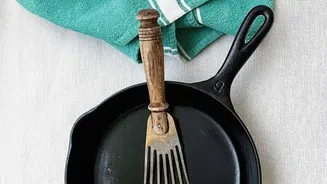
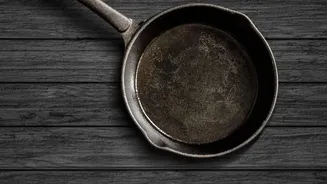
The secret to cast iron's success is its seasoning. This isn't about salt and pepper; it's a layer of polymerized oil that has bonded to the metal through heating. This process creates a natural, non-stick surface that improves with every use. A properly
seasoned pan delivers incredible heat retention for a perfect sear, can move from the stovetop directly into the oven, and, with the right care, will last for generations. Most new pans come 'pre-seasoned', but this is just a starting point. The best seasoning is built over time by cooking and applying thin layers of oil.
How to Build Your First Layers of Seasoning
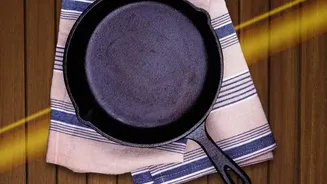
If you have a new pan or one that needs to be restored, you'll want to build up a good seasoning base. Start by washing the pan with warm, soapy water and drying it completely. Then, apply a very thin layer of a neutral, high-smoke-point oil, like grapeseed or vegetable oil, over the entire pan—inside and out. Use a lint-free cloth or paper towel to wipe away any excess until it looks almost dry. Place the pan upside down in a preheated oven (around 450-500°F or 230-260°C) for one hour, with a baking sheet on a lower rack to catch any drips. Let it cool completely in the oven. Repeating this process two or three times will create a durable foundation.
The Daily Cleaning Ritual
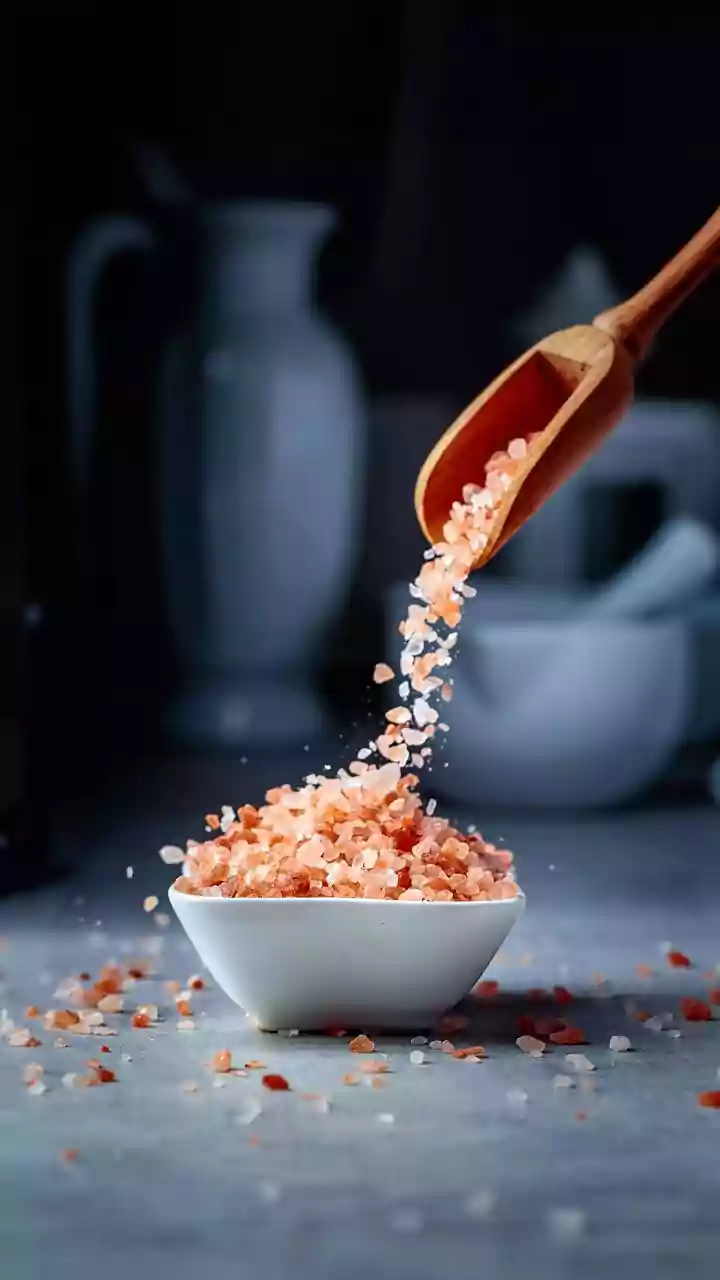
Cleaning cast iron is simpler than you think. The key is to do it while the pan is still warm. For most messes, you can simply wipe it out with a paper towel. If food is stuck, use a pan scraper or scrub with coarse salt and a little water. Contrary to old myths, using a small amount of mild dish soap is perfectly fine and won't ruin your seasoning, but avoid harsh detergents or steel wool on a well-seasoned pan. The most critical step is to dry it immediately and thoroughly to prevent rust. You can towel-dry it, then place it on a low burner for a minute to evaporate all moisture before storing.
Common Problems and Easy Fixes
The most common cast iron enemy is rust, which appears when the pan is exposed to moisture. Don't panic; it's an easy fix. Just scrub the rust away with steel wool or a 50/50 vinegar-water soak for stubborn spots. Once the rust is gone, wash the pan, dry it completely, and perform a round or two of oven seasoning to restore the protective layer. If your pan feels sticky, it's likely due to too much oil being used during seasoning. Heating the pan in the oven for another hour should resolve it. If seasoning is flaking, it may be from aggressive scrubbing or cooking highly acidic foods; simply re-season to rebuild the surface.
What to Avoid Cooking (At First)
While a well-seasoned pan can handle almost anything, a new or thinly seasoned one has a few limitations. It's best to avoid cooking highly acidic foods like tomato sauce or lemon-based dishes for long periods, as the acid can break down the fresh seasoning. Very delicate foods like some fish or sticky foods like eggs may also be challenging until a more robust non-stick surface has developed. The best way to build up that initial seasoning is by cooking foods with higher fat content, like searing meats or cooking bacon.