


Karwa Chauth is a beautiful expression of love, but the day-long nirjala fast is a true test of endurance. The key to a comfortable and healthy fast lies in the pre-dawn meal, Sargi. It’s more than a tradition; it's your fuel for the day.
More Than Just a Meal
Sargi is the
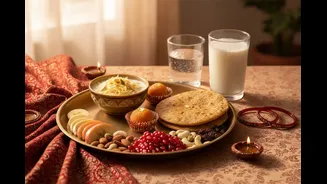
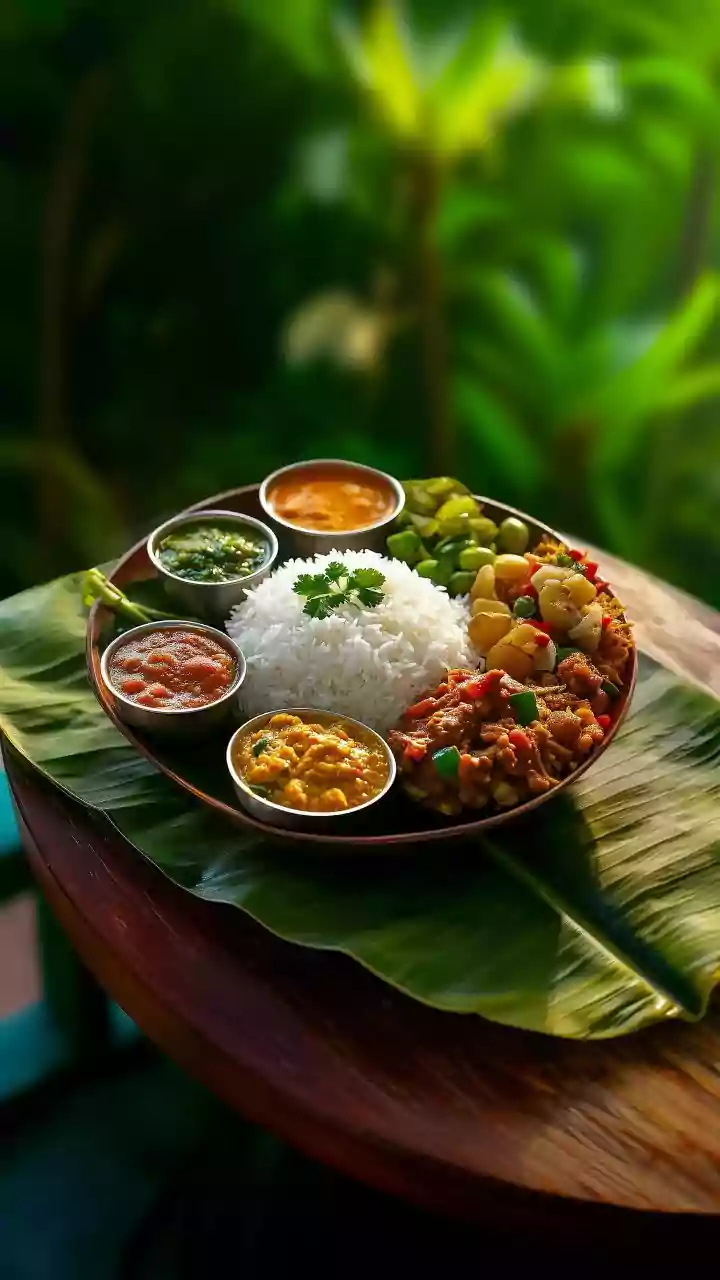
traditional meal married women eat before sunrise on the day of Karwa Chauth. Typically prepared or gifted by the mother-in-law, this thali is a gesture of love and blessings for a successful fast. But beyond the beautiful ritual, Sargi has a very practical purpose. Since the fast is 'nirjala' (without food or water), this meal is the only source of energy and hydration you'll have until the moon rises. A well-planned Sargi can make the difference between a day of peaceful observance and one plagued by headaches, dizziness, and fatigue. According to Drik Panchang, Karwa Chauth in 2026 falls on October 29.
Why Pre-Fasting Hydration is Crucial
The biggest challenge of the Karwa Chauth fast is the lack of water. Dehydration is what leads to most of the discomfort, including headaches, fatigue, and dizziness. Therefore, the primary goal of your Sargi should be to hydrate your body as effectively as possible. Starting the day well-hydrated helps your body cope with the long hours ahead. It’s not just about drinking water; it’s also about eating foods that are rich in water content. Think of Sargi as your one and only chance to fill up your body's reserves. Drinking plenty of water with your Sargi is a must to stay energized throughout the day.
Building a Hydrating Sargi
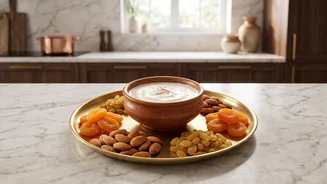
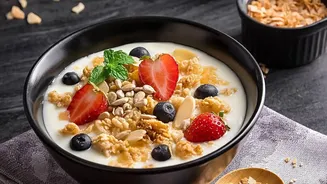
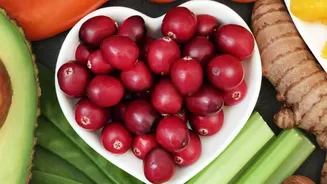
To stay hydrated, focus on including water-rich foods in your thali. Fresh fruits are an excellent choice. Fruits like watermelon, oranges, and pomegranates not only provide fluids but also essential vitamins and natural sugars for energy. A bowl of plain curd is another fantastic addition; it's cooling, a source of protein, and helps with hydration. You can also include coconut water, which is incredibly hydrating and packed with electrolytes. Some also opt for buttermilk or a glass of milk to complete the meal. These fluids are just as important as the solid food on your plate.
Foods for Sustained Energy
To avoid a mid_day energy crash, your Sargi needs to contain foods that provide slow_releasing energy. This is where complex carbohydrates and proteins come in. A whole_wheat paratha, lightly cooked with minimal oil, is a much better choice than deep_fried puris. Pair it with a simple paneer bhurji or have a moong dal cheela for a solid protein boost. Nuts and dry fruits like almonds, walnuts, and dates are energy_dense and provide healthy fats that promote satiety, keeping you feeling full for longer. A handful of soaked almonds or a couple of dates can make a significant difference in your energy levels later in the day.
What to Avoid in Your Sargi
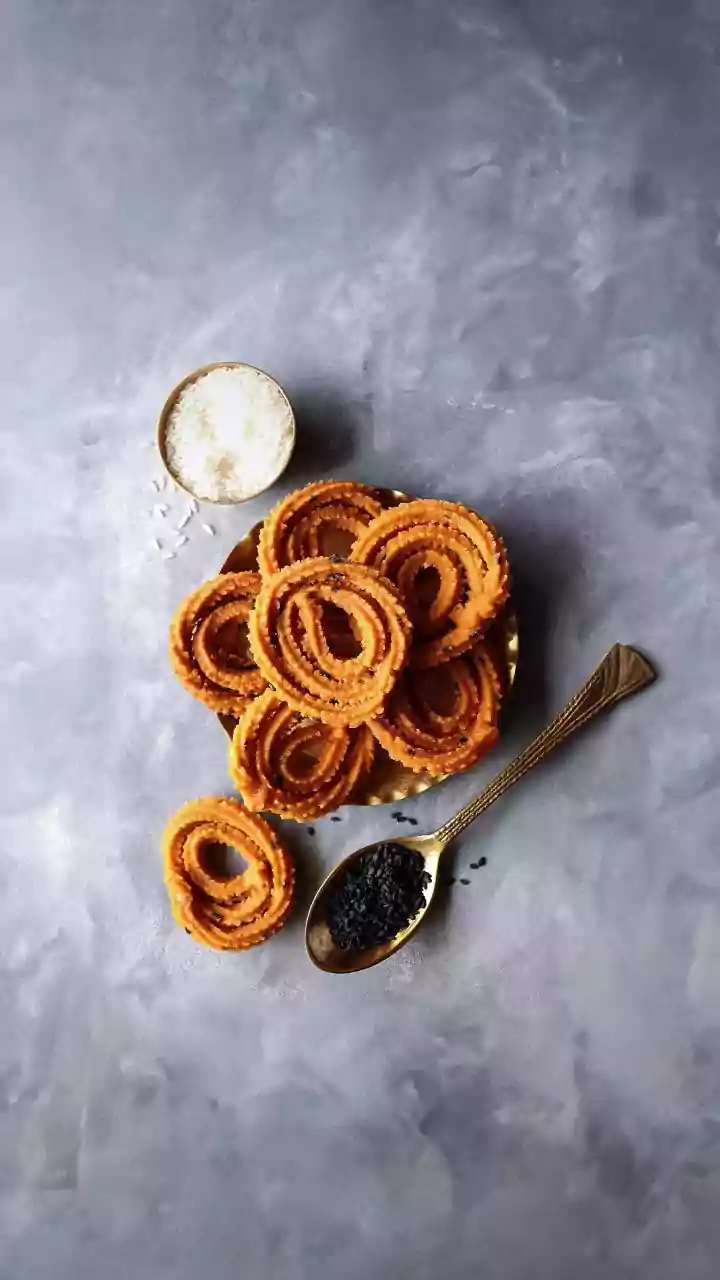
What you don't eat is just as important as what you do. Steer clear of heavily fried foods like pakoras and oily parathas. They can make you feel sluggish and cause acidity. Excessively salty items such as pickles and savoury snacks (mathri) should also be limited as they will make you feel thirsty throughout the day. While sweets are a traditional part of Sargi, it's best to avoid items laden with refined sugar. A rapid sugar rush will inevitably lead to a crash, leaving you feeling weak. Opt for natural sweets like a dry fruit laddoo or a small portion of seviyan made with jaggery instead of sugar. Finally, it's wise to skip tea and coffee, as caffeine is a diuretic and can contribute to dehydration.