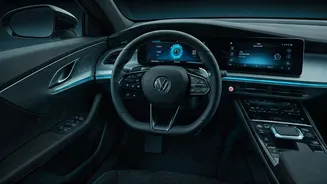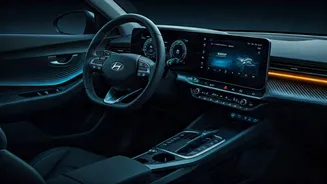






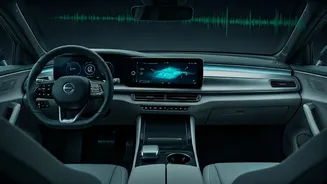


The Silent Problem for Car Lovers
For many driving enthusiasts, the switch to electric vehicles comes with a significant trade-off. While the instant torque and rapid acceleration are thrilling, EVs lack the auditory and mechanical feedback that defines the classic sports car experience.
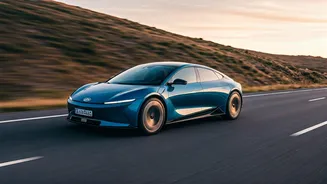
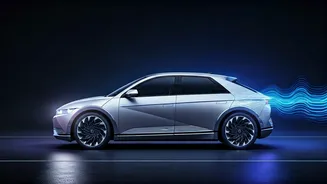
The roar of an engine, the satisfying jolt of a gear change, and the subtle vibrations that connect driver to machine are all absent. This sensory gap can make even the fastest EV feel somewhat sterile and disconnected. Recognizing this, Hyundai has decided to challenge the silent EV paradigm, particularly within its high-performance N division, starting with the critically acclaimed Ioniq 5 N.
Simulating the Soul: N e-Shift
At the heart of Hyundai's strategy is a system called N e-Shift. This technology brilliantly simulates the experience of driving a car with an eight-speed dual-clutch transmission (DCT), despite the EV having no physical gearbox. Through clever motor control, N e-Shift creates a noticeable jolt and mimics the brief interruption in power delivery that occurs during a gear change in a gasoline car. Drivers can use paddle shifters to 'change gears', and the system even replicates hitting the rev limiter if a shift is missed. This isn't just for show; it provides tangible feedback that helps a driver better gauge speed and performance, making the experience more interactive and intuitive, especially on a track.
Crafting the Perfect Soundtrack
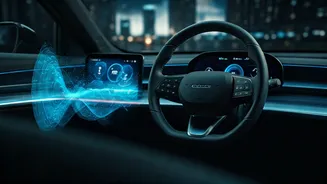
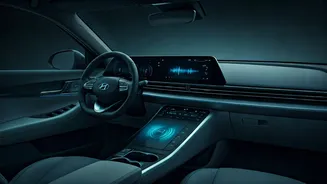
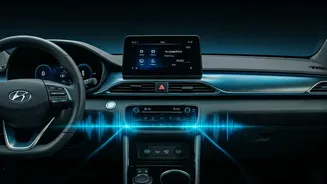
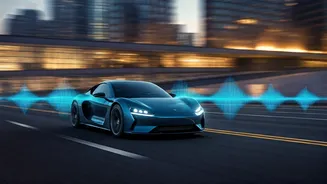
Paired with the simulated shifts is an equally sophisticated sound system called N Active Sound+. Using a combination of eight internal and two external speakers, this feature goes far beyond the generic hums of some EVs. It offers multiple sound profiles, including an 'Ignition' theme that replicates the sound of a 2.0-liter turbocharged engine, complete with the pops and crackles beloved by enthusiasts. Other modes offer more futuristic sounds, such as a 'Supersonic' theme inspired by fighter jets. The key is that this audio is directly tied to the driver’s actions—throttle input and virtual gear changes—creating a cohesive and immersive experience.
More Than Just a Gimmick
While some might dismiss these features as artificial, the overwhelmingly positive reception to the Ioniq 5 N suggests Hyundai has tapped into a real desire among consumers. This technology serves as a bridge for traditional car enthusiasts who are hesitant to give up the visceral engagement of internal combustion engines (ICE). It makes the transition to electric less of a compromise and more of an evolution. Recent reports in mid-2026 confirm that Hyundai is already working on the next generation of this technology, aiming to add even more realism with simulated idle vibrations and exhaust backfires. The company's R&D head, Manfred Harrer, has stated the goal is not to be sterile and serious, but to be 'fun to drive'.
The Future of Fun EVs
Hyundai has confirmed that these features won't be limited to its top-tier N models forever. While the systems require a certain level of motor power to be convincing, the company plans to roll out milder versions to more of its mainstream EVs, with a version already quietly added to the large Ioniq 9 SUV. This strategy could become a major differentiator in an increasingly crowded EV market. As competitors like Porsche and Honda begin to explore similar systems, Hyundai has established itself as a leader in creating emotional, engaging electric cars. The company is betting that the future of performance isn’t just about raw, silent speed, but about preserving the soul and character that make people fall in love with driving in the first place.