





A New World Number One
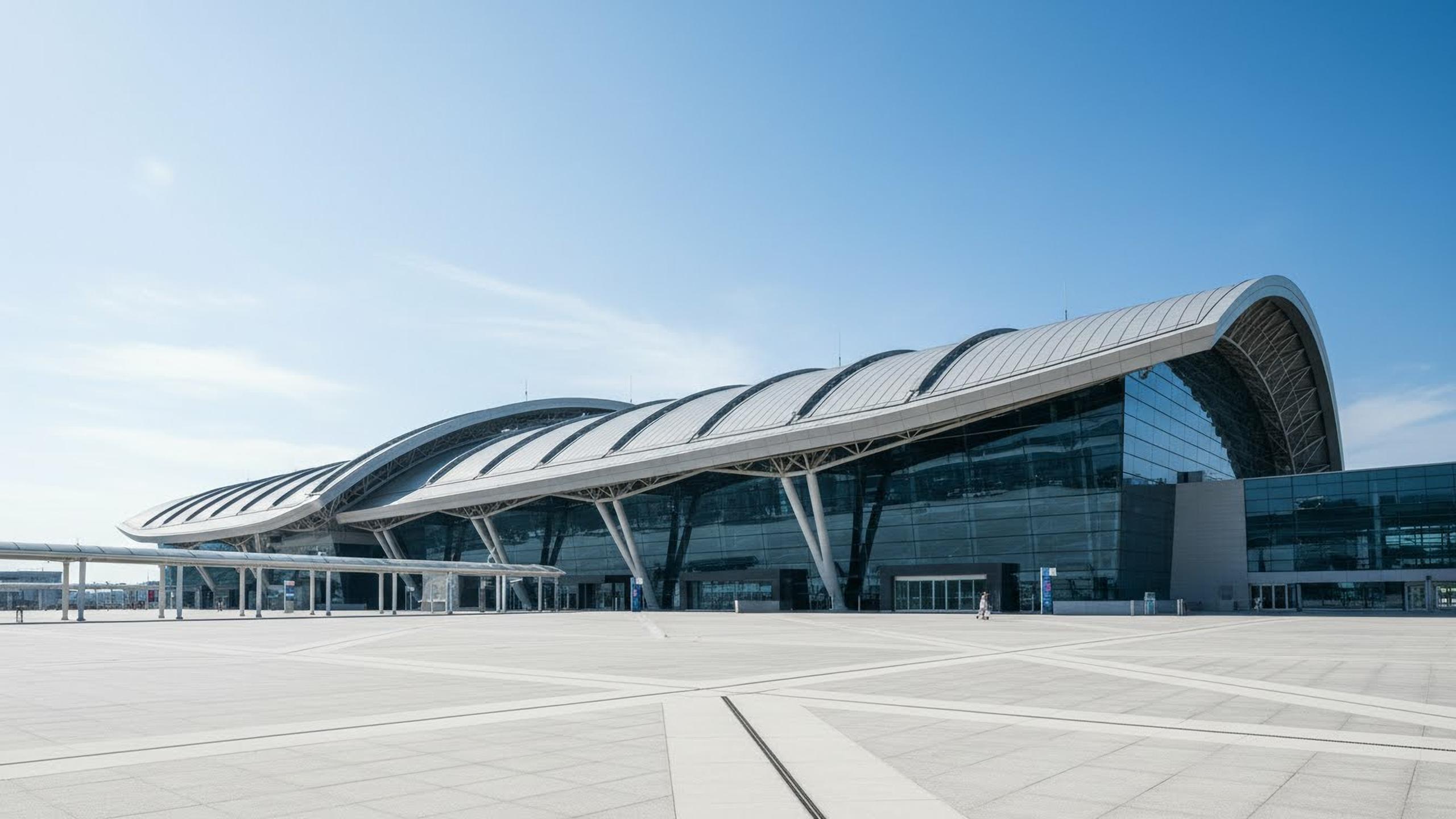
In a significant shake-up for the global travel industry, Seoul's Incheon International Airport (ICN) is now the world's busiest hub for international passengers. According to preliminary figures for the first half of 2026 from Airports Council International (ACI),
Incheon handled an impressive 38.39 million international travellers. This achievement marks the first time the South Korean gateway has reached the number one position since it opened in 2001. The new ranking places it ahead of London's Heathrow Airport, which saw 37.79 million passengers, and Singapore's Changi Airport with 34.53 million. This rapid ascent is a huge milestone for an airport that has steadily climbed the ranks over the past two decades, moving from 10th place in 2002 to third in 2024 and 2025.
How Geopolitics Reshuffled The Deck
A key factor in Incheon's rise has been a major shift in global flight patterns, partly driven by geopolitical tensions. Disruption in the Middle East has weakened the role of traditional hubs like Dubai International Airport (DXB). As a result, some transfer traffic that would have previously connected through the Gulf has been diverted to alternative routes via East Asia. Incheon has been a primary beneficiary of this trend. In the first half of 2026, the airport saw an 18.1% jump in transfer passengers compared to the previous year. The increase in passengers using Incheon for connections between Europe and Asia was particularly sharp, soaring by over 63%. This has allowed Incheon to capture a larger share of the lucrative long-haul transit market.
More Than a Transit Hub
While capturing transit traffic has been crucial, Incheon’s success is also built on its own appeal as a destination and its world-class facilities. South Korea's growing tourism industry has provided a major boost, with an influx of visitors from China and Japan helping to drive numbers. In the second quarter of 2026, foreign visitors accounted for a record 44.4% of all passengers at Incheon. The airport itself is frequently lauded for its efficiency and passenger experience. It is consistently ranked by organisations like Skytrax as one of the world's best and cleanest airports, with top marks for its international transit experience. With amenities like free transit tours, cultural performances, and cutting-edge technology, Incheon has focused on making the airport experience seamless and enjoyable, encouraging both layovers and direct travel.
A Blueprint for Growth
Incheon's climb to the top wasn't accidental; it was the result of long-term strategic planning. The airport has undergone four phases of expansion since its opening, with the most recent phase completed in late 2024, increasing its annual capacity to 106 million passengers. This continuous investment in infrastructure ensures it can handle growing demand without compromising on service quality. Furthermore, Incheon boasts an extensive air network, serving 183 cities across 53 countries with 101 different airlines. This robust connectivity, wider than many of its regional rivals, makes it an attractive hub for both airlines and passengers. Major carriers like Delta Air Lines have even shifted their Asian hub operations to Incheon, underscoring its strategic importance in the region.
What This Means For Travellers From India
For Indian travellers, Incheon's rise as the world's leading international hub could bring several benefits. As a primary gateway connecting Asia with North America, a more dominant Incheon could lead to increased flight options and potentially more competitive fares on routes to the US and Canada. The airport's extensive network across Asia also positions it as a key transit point for travel to Japan, China, and other East Asian destinations. The competition among major hubs is fierce, and airports must continually innovate to attract passengers. Incheon's success, built on a combination of strategic location, excellent service, and modern infrastructure, sets a new benchmark. For travellers, this rivalry often translates into better services, more choices, and a more pleasant journey from check-in to take-off.