


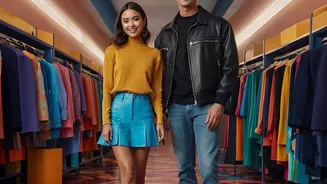
The End of the One-Wear Wonder
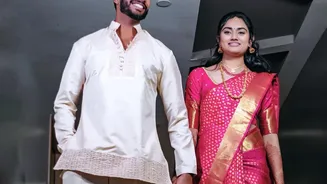
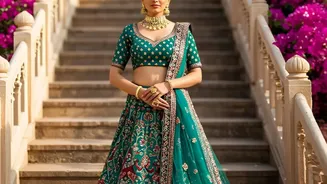
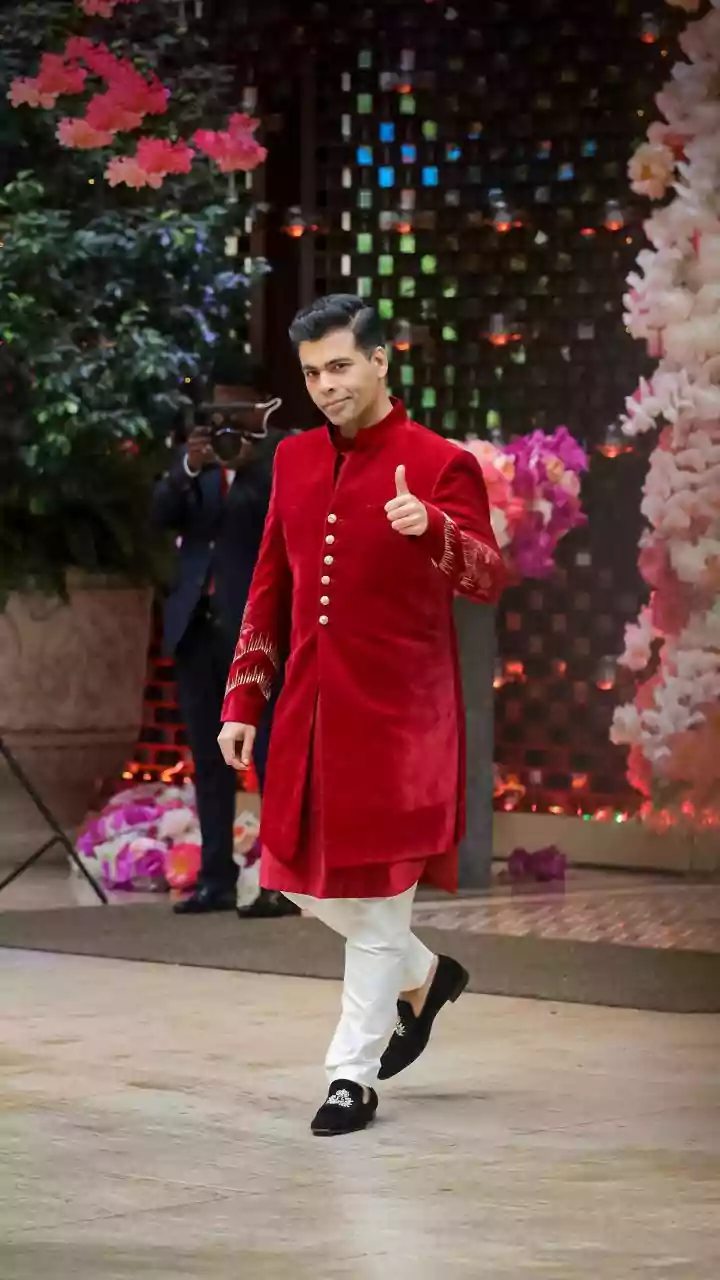
For decades, the cycle of Indian festive dressing, particularly in the diaspora, was predictable. A major event—a wedding, a Diwali gala, a Navratri dance—demanded a spectacular, and often costly, new outfit. These garments, masterpieces of embroidery,
silk, and beadwork, were designed for maximum impact. But their very extravagance made them difficult to wear again. In a closet full of Western clothes, a formal sherwani or an elaborate lehenga choli had limited utility. For a growing number of young, urban Indian-Americans, this model feels increasingly impractical and wasteful. Squeezed by smaller living spaces and guided by a stronger sense of environmental responsibility, they are questioning the logic of investing in a garment destined for a single appearance. This isn't just about the price tag; it's a value proposition. Gen Z and Millennial consumers are now prioritizing longevity and versatility in all areas of fashion, and their traditional wear is no exception.
Modular, Modern, and Made to Mix
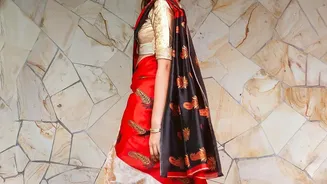
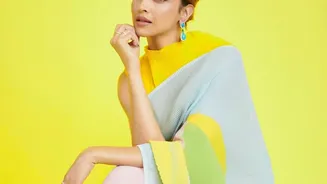
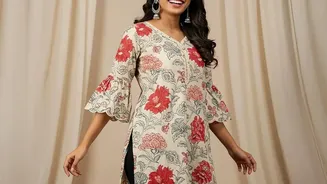
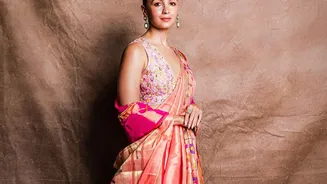
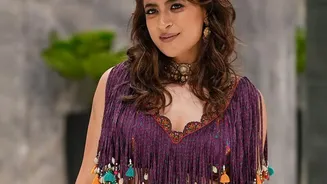
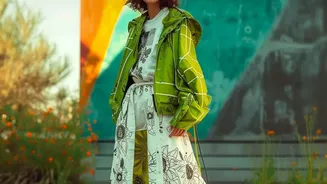
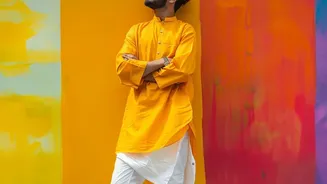
The new festive wardrobe is less about single, show-stopping ensembles and more about smart, modular pieces. Think separates: an embroidered crop top that can be paired with a traditional lehenga skirt for a wedding, but also with high-waisted jeans for a night out. Or a block-printed jacket that can be layered over a kurta for a family puja, then worn over a simple black dress for a work event. This Indo-Western approach favors fusion silhouettes that blend Indian craftsmanship with contemporary cuts. We're seeing a rise in pre-draped sarees that offer the elegance of the traditional garment without the complicated wrapping, chic palazzo sets, and tailored kurta sets in breathable fabrics like linen and cotton blends. The focus is on movement, comfort, and the freedom to express personal style rather than conforming to a rigid dress code. It’s a design language that feels authentic to a generation navigating a hybrid cultural identity.
Sustainability as a Style Statement
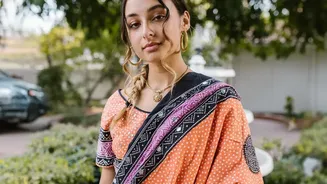
This pivot towards reusable wear is deeply connected to a broader demand for sustainability in fashion. Young consumers are more attuned than ever to the environmental impact of their choices, turning away from the fast-fashion mindset of disposable clothing. For them, a brand's commitment to eco-friendly fabrics, ethical sourcing, and transparent production is a significant selling point. This generation readily invests in heritage textiles and pieces from brands known for upcycling or using deadstock fabrics. The story behind a garment—the artisan who wove it, the eco-friendly dyes used—adds a layer of value that mass-produced items lack. Choosing a handwoven linen saree or an organic cotton kurta isn't just an aesthetic choice; it’s a political one. It represents a move toward conscious consumption, where luxury is defined not by opulence but by craftsmanship, authenticity, and a lighter environmental footprint.
How Designers and Brands are Responding
The fashion industry is taking note. A host of contemporary Indian and diaspora-focused brands are building their entire philosophy around this new consumer demand. Labels like Fabindia and Global Desi have long championed handcrafted textiles and bohemian fusion, but newer direct-to-consumer brands are explicitly marketing versatility. Their collections are filled with co-ord sets, jacket-and-pant pairings, and elegant dresses that feature Indian prints or embroidery but in globally relevant silhouettes. These brands understand their audience is digitally native and culturally confident. They are moving away from heavy, bridal-focused occasionwear and instead promoting pieces that fit into a modern, multifaceted lifestyle—suitable for a festive brunch, a cultural event, or even a creative workplace. They prove that honoring tradition doesn't have to mean being bound by it.