






The Accessibility Revolution
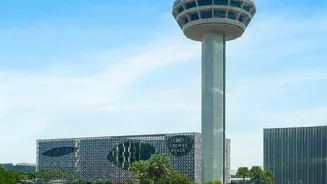
The most immediate impact of new infrastructure is a dramatic reduction in travel time and effort. A journey that once took a gruelling 12-hour bus ride can be cut to a comfortable two-hour drive on a new highway. A once-inaccessible region can now be reached
via a short flight, thanks to a new regional airport. This enhanced connectivity is the backbone of the tourism industry. In India, schemes like UDAN have focused on connecting smaller Tier-II and Tier-III cities, opening up previously underserved locations with high tourism potential. This doesn't just benefit tourists; it integrates remote communities into the national economy, making it easier for them to access markets and services. The mantra is simple: if you build it, they will come. Better transport links directly influence the growth and success of tourism worldwide.
An Engine for Economic Growth
With accessibility comes a surge in visitors, and with visitors comes spending. This influx of cash acts as a powerful economic engine for local communities. Tourism creates a wide spectrum of jobs, from hotel managers and restaurant staff to tour guides and souvenir sellers. This economic activity creates a 'multiplier effect'; money spent by tourists circulates through the local economy, supporting other businesses and generating further revenue. According to the World Travel & Tourism Council, destinations with improved transport connections can see a remarkable increase in tourism. Governments often encourage this growth through financial incentives like tax breaks and by allowing foreign investment in the hotel and tourism industry, which helps build the capacity to host more visitors.
The Double-Edged Sword of Overtourism
However, this boom is often a double-edged sword. When the number of visitors exceeds a destination's capacity, it leads to 'overtourism'. The very infrastructure built to support tourism can become overloaded, leading to traffic congestion, strained water and waste systems, and increased pollution. Natural landscapes, from beaches to mountain trails, can suffer from erosion and habitat destruction under the pressure of too many feet. Beyond the environmental toll, there are social consequences. A massive influx of tourists can lead to a rise in the cost of living, pushing out local residents as property prices soar. There's also the risk of cultural erosion, where local traditions and customs become commercialised for tourist consumption, losing their authentic meaning.
Finding a Sustainable Path Forward
The key challenge, therefore, is not to stop development but to guide it sustainably. This means moving beyond a focus on sheer volume and prioritising a balance between economic benefits, environmental protection, and community well-being. Sustainable tourism involves strategic planning, such as investing in eco-friendly infrastructure, promoting community-based tourism models like homestays, and implementing regulations to manage visitor numbers. Some destinations are pioneering innovative models. Bhutan, for example, charges a 'Sustainable Development Fee' for most international tourists, with the revenue reinvested into public services and conservation efforts. In India, initiatives like the PRASHAD scheme aim to develop pilgrimage sites with a focus on protecting heritage and ensuring sustainability. The goal is to create destinations that are attractive for generations to come, not just for the next holiday season.