

A Volatile Home on the Ring of Fire
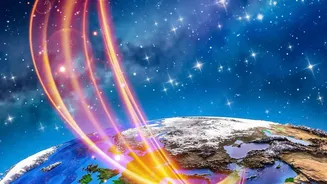
To understand Japan's shaky ground, one must first look at its global address. The country is situated on the Pacific Ring of Fire, a massive horseshoe-shaped belt that stretches for 40,000 kilometres around the Pacific Ocean. This zone is infamous for its intense
seismic and volcanic activity. Roughly 90 percent of the world's earthquakes and about 75 percent of its active volcanoes are located along this ring, making it the most geologically volatile region on Earth. Japan's position is particularly precarious, as it lies directly in one of the Ring's most active stretches.
Where Four Worlds Collide
The Earth's crust is not a single, solid shell but a jigsaw puzzle of massive slabs called tectonic plates. These plates are in constant, slow motion. Japan has the unique and challenging distinction of sitting at the intersection of four of these major plates: the Pacific, Philippine Sea, Eurasian, and North American plates. The Japanese archipelago is essentially balanced on the complex and unpredictable junction where these colossal plates meet, grind against each other, and overlap. This constant tectonic shoving match is the primary engine driving the country's seismic activity.
The Science of Subduction Earthquakes
The most powerful tremors are born from a process called subduction. In the waters east of Japan, the enormous Pacific Plate is continuously sliding westward, forcing itself underneath the continental plates on which Japan sits. This process is not smooth. For decades or even centuries, the plates can get stuck, building up immense stress and pressure. When the pressure finally overcomes the friction, the plates lurch forward in a matter of seconds. This sudden release of energy sends seismic waves radiating out, which are felt on the surface as an earthquake. This is the mechanism behind the devastating megathrust earthquakes, the most powerful type known.
From a Shaking Seabed to a Towering Wave
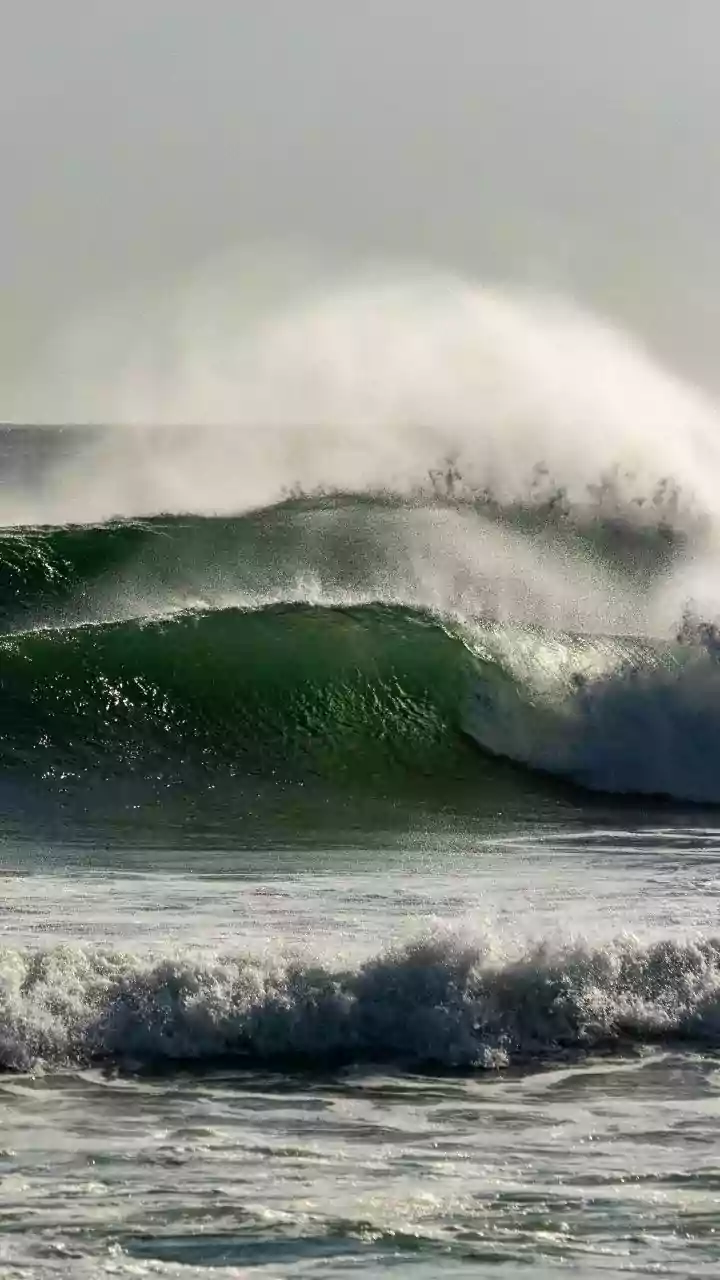
The same undersea earthquakes that rock the islands are also the primary cause of tsunamis. When a powerful subduction earthquake occurs offshore, it can cause the seafloor to violently thrust upwards or downwards, sometimes by several metres. This sudden movement displaces a massive column of water above it. Gravity pulls this dome of water back down, creating a series of powerful waves that radiate outwards from the earthquake's epicentre at incredible speeds. In the deep ocean, these waves may be barely noticeable. But as they approach the shallower water of the coastline, their energy becomes compressed, causing the waves to slow down and grow into the towering, destructive walls of water that define a tsunami.
A Culture of Preparedness
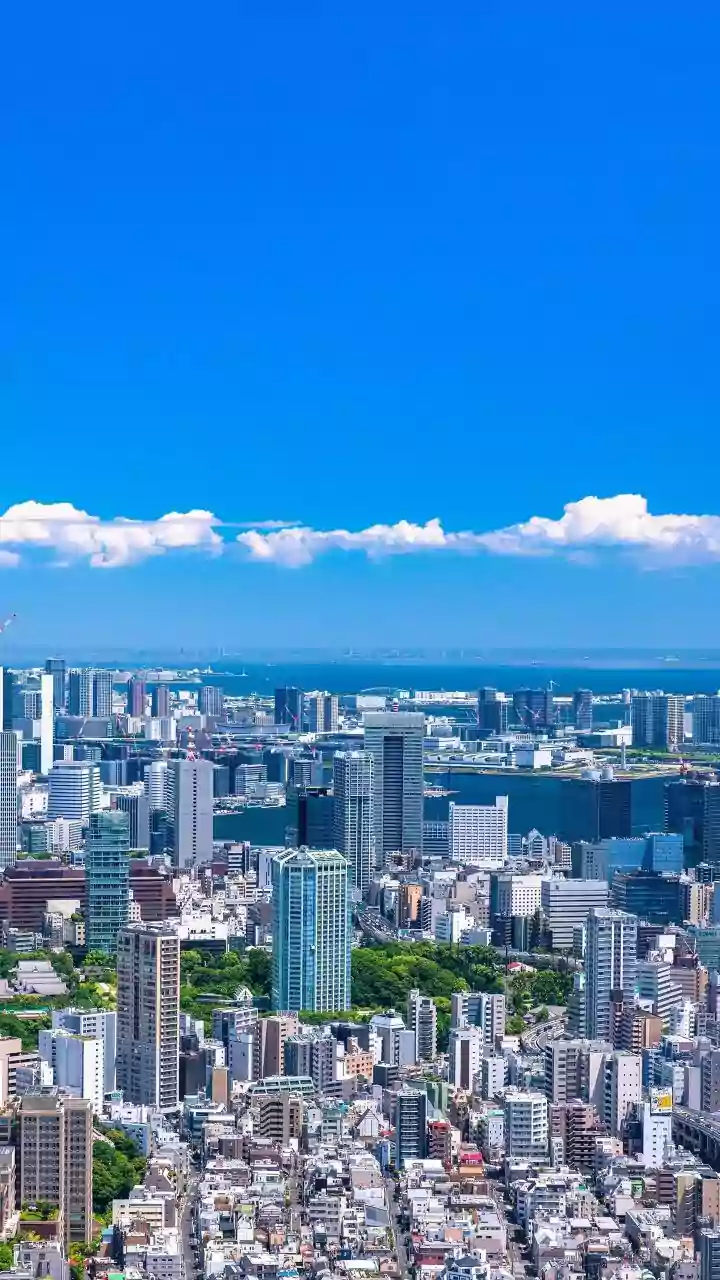
Living with this constant threat has made Japan a world leader in disaster preparedness. The country has implemented some of the strictest earthquake-resistant building codes on the planet, with modern skyscrapers designed to sway with tremors using base isolation and seismic dampers. Furthermore, Japan operates a sophisticated Earthquake Early Warning system. Using a network of over 4,000 seismometers, the system detects the initial, faster-moving waves of an earthquake and issues an alert seconds before the more destructive secondary waves arrive. This gives people, industries, and transportation systems precious moments to take cover, shut down, and brace for impact. Regular drills in schools and workplaces ensure that responding to these alerts is a deeply ingrained reflex.