





More Than Just a Meal
For astronauts undertaking long and arduous missions hundreds of kilometres above Earth, food is far more than just fuel. The psychological comfort of a familiar meal can be a powerful morale booster, connecting them to home and culture. The absence of familiar tastes
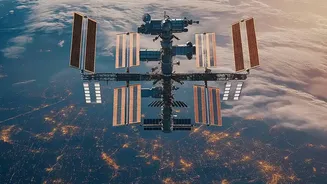
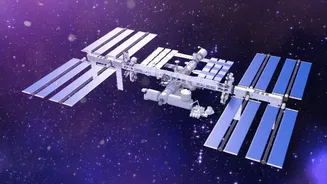
can be keenly felt. Indian astronaut Shubhanshu Shukla, during his mission to the International Space Station (ISS), noted that after nearly two weeks in orbit, he began to crave the salty and spicy flavours of home. Providing astronauts with food they enjoy is crucial for their psychological well-being, helping to combat the stress and isolation of space travel. This makes the development of space-safe, culturally specific cuisine a critical area of space science.
The Challenge of Zero-Gravity Cuisine
Sending food to space is a complex scientific endeavour. Every item must be meticulously prepared to meet incredibly strict standards, especially when certified for use on the ISS. The primary concern in a microgravity environment is preventing contamination from floating particles. Crumbs from bread or biscuits, for example, could float into and damage sensitive electronic equipment, which is why they are typically avoided. Food must also be lightweight, compact, and have a long shelf life without refrigeration. Furthermore, it must be nutritionally balanced to counteract the negative effects of space on the human body, such as muscle and bone density loss. The process involves advanced preservation techniques to ensure the food is safe, palatable, and easy to consume.
DRDO's Specially Crafted Menu
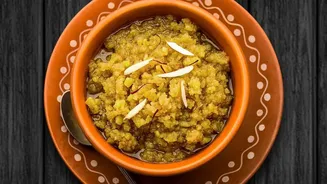
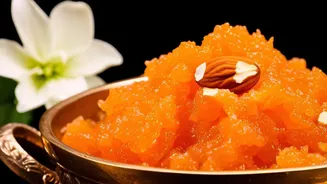
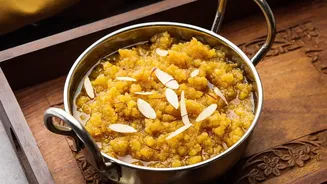
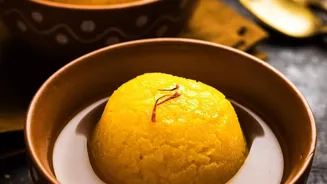
The Mysuru-based Defence Food Research Laboratory (DFRL), a part of the Defence Research and Development Organisation (DRDO), has long been a pioneer in developing specialized food for India's armed forces in extreme conditions. Leveraging this expertise, DFRL prepared a menu of Indian dishes for potential space travel. While a wide variety of items were developed, only a select few completed the rigorous qualification process in time for the Axiom-4 mission in 2025, which included astronaut Shubhanshu Shukla. After extensive testing for safety, stability, and nutrition, three iconic Indian sweets were certified and sent to the ISS: Moong Dal Halwa, Gajar ka Halwa, and Aamras (mango pulp). These dishes successfully brought a touch of authentic Indian flavour to the international crew.
The Science Behind the Spice
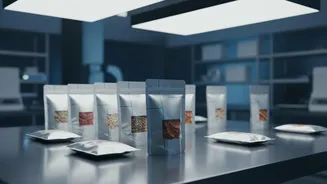
To make dishes like halwa ready for orbit, DFRL employs sophisticated food processing technologies. The meals are made less spicy and oily to be easy on the digestive system in space. Techniques like retort processing, which involves sterilizing food by heating it in sealed pouches, ensure a long shelf life at ambient temperatures. This is the same technology used for many ready-to-eat meals available commercially. The food is packaged in specially designed pouches from which astronauts can eat directly. For some items, dehydration is used, and astronauts simply need to rehydrate them with water using a special dispenser. These processes ensure that the taste, texture, and nutritional value of the food are preserved while meeting all safety protocols for spaceflight.
A Stepping Stone to Gaganyaan
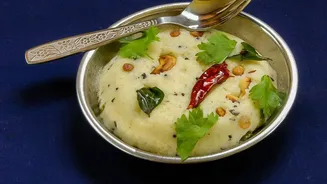
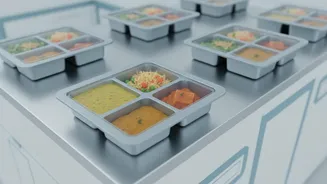
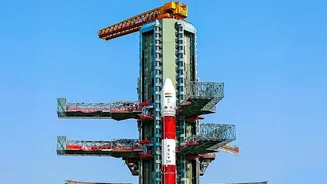
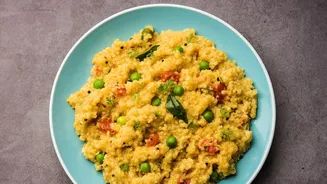
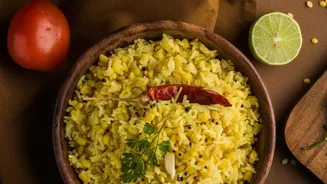
The successful certification and flight of these dishes to the ISS serve as a crucial validation of DFRL's capabilities and a vital stepping stone for India's ambitious human spaceflight program, Gaganyaan. For this mission, DRDO is preparing a much more extensive all-Indian menu that will not require external certification from another space agency. The planned menu for the Gaganyaan astronauts is diverse, featuring breakfast items like idli and upma, lunch options such as vegetable pulav and biryani, and dinner plates with chapati and chicken korma. This will ensure that when Indian astronauts travel to space on an Indian rocket, they will be well-equipped with a full menu that tastes like home, marking a true moment of self-reliance, or 'Aatmanirbhar Bharat', in space exploration.