

The Long, Beautiful Road to Nubra
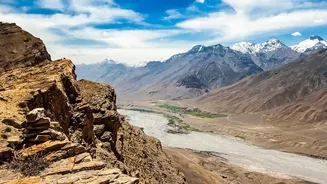
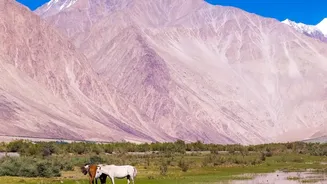
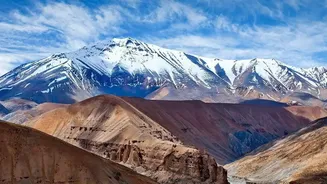
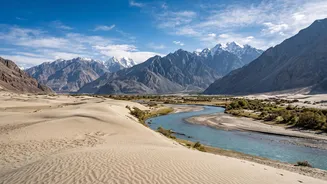
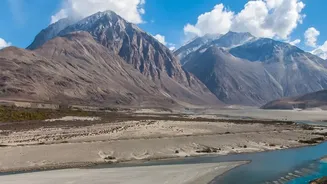
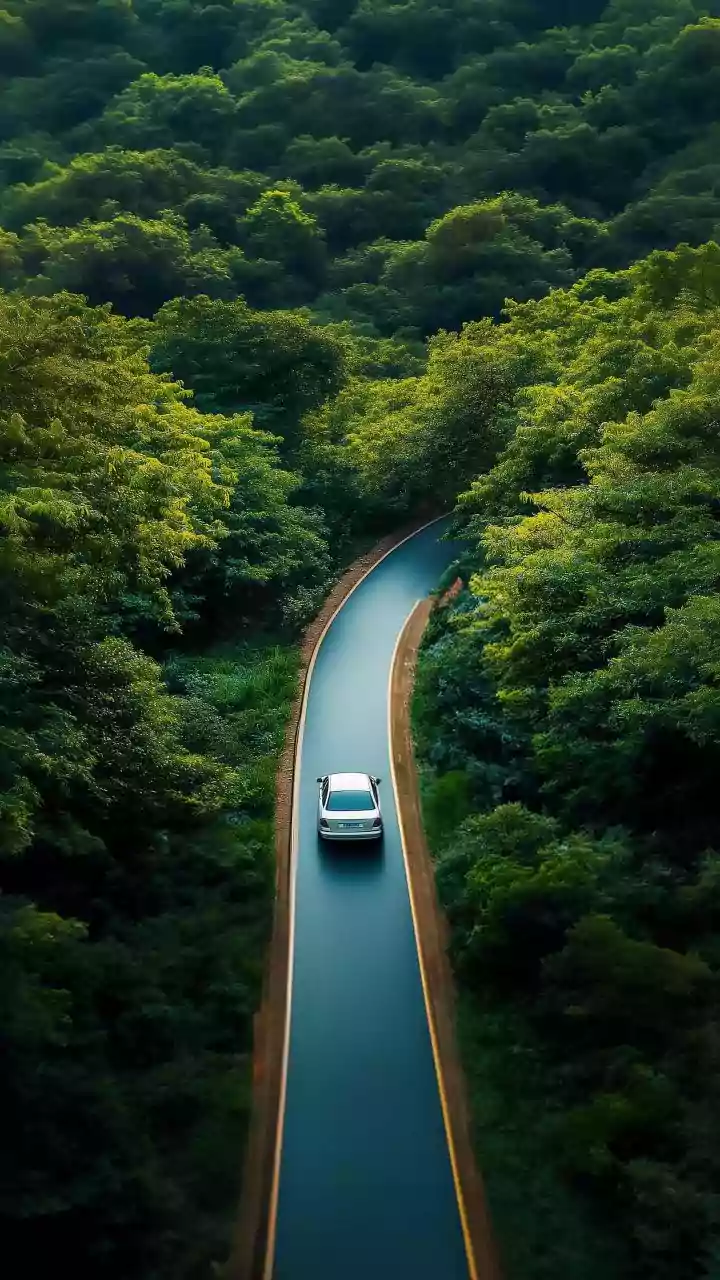
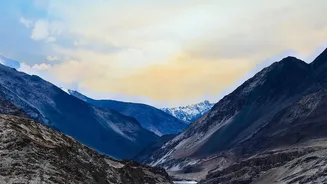
For decades, the only way for travellers to reach the famed sand dunes and double-humped camels of Nubra Valley was an epic road trip from Leh. The journey, which covers about 160 kilometres, involves crossing Khardung La, one of the world's highest motorable
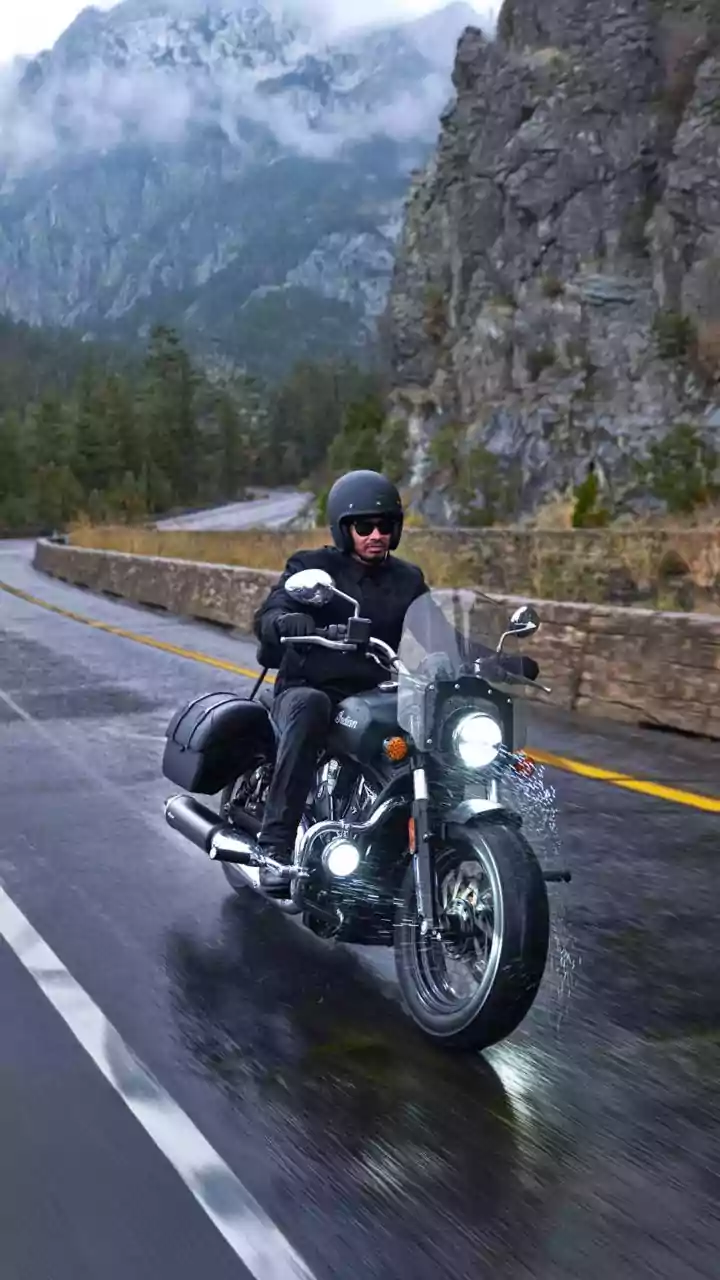
passes. While undeniably scenic, the drive is demanding, taking several hours and posing challenges like altitude sickness and unpredictable weather that can shut down the pass for days, especially during winter months. This arduous journey has long been a rite of passage for adventurers, but it also acts as a natural barrier, limiting the number of people who can comfortably access this remote paradise. The current system requires all visitors to fly into Leh's busy airport and then acclimatise before hitting the road, a time-consuming but necessary process.
A Game-Changer on the Horizon
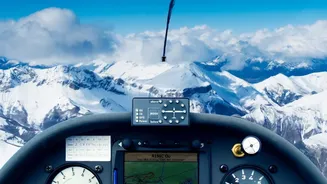
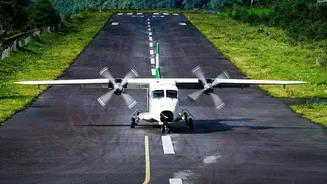
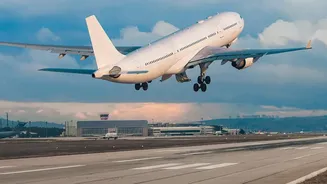
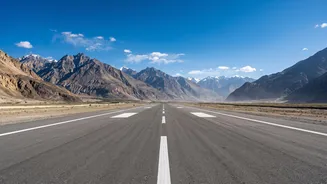
The travel calculus for Ladakh is set to change dramatically. Authorities are actively working on a plan to open the Thoise airbase in Nubra Valley for regular commercial flights, with a target to begin operations by December 2026. Thoise is a strategically vital Indian Air Force station located in the Shyok Valley, serving as a critical supply hub for troops in the Siachen sector. Under the new plan, an existing terminal for charter flights will be refurbished to handle the first wave of civilian passengers. To support long-term growth, the Indian Air Force has also allocated five acres of land for constructing a brand-new civil terminal. With runway recarpeting work already underway and scheduled for completion by November 2026, the pieces are falling into place for a new chapter in regional connectivity.
The Upside: All-Weather Access and a Tourism Boom
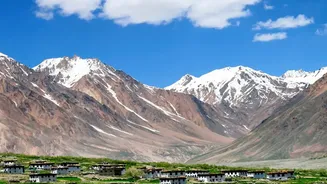
The benefits of direct flights to Nubra are immense. For locals, it promises year-round connectivity, ending months of isolation when snow renders the high passes impassable. This could be life-changing for medical emergencies and accessing essential goods. For tourists, it means the stunning landscapes of Nubra, the historic village of Turtuk, and even the Siachen Base Camp area will be far more accessible. A journey that takes the better part of a day by car could be reduced to a short flight from major cities. This could open up the valley to a wider range of travellers, including those with less time or health concerns about the strenuous road journey. Officials believe this will unlock the region's tourism potential, spreading visitors beyond the congested hub of Leh and creating new economic opportunities.
A Fragile Paradise at Risk?
While the prospect of enhanced connectivity is exciting, it comes with serious concerns. Ladakh is a high-altitude cold desert, and its ecosystem is incredibly fragile. The region already faces significant environmental stress from the current levels of tourism, including acute water shortages, improper waste disposal, and pollution. Critics point out that as tourism has grown, many hotels cater to tourist demands for amenities like flush toilets, which consume vast amounts of water in a water-scarce region. An explosion in visitor numbers, which direct flights would likely trigger, could push the already strained resources past their breaking point. Without robust and strictly enforced sustainable tourism policies, the very beauty that draws people to Nubra could be threatened by overtourism, uncontrolled construction, and mountains of waste.
What This Means for Your Future Trip
If you're dreaming of a future trip to Nubra Valley, this development is one to watch closely. While the December 2026 target is ambitious, travellers should wait for official announcements from airlines before making any plans, as the timeline could shift due to infrastructure or regulatory hurdles. When flights do become a reality, it will be more important than ever to travel responsibly. Opt for homestays that follow traditional and sustainable practices, be mindful of your water consumption, and carry out all your non-biodegradable waste. The opening of Thoise is not just about convenience; it's a test of whether we can balance access with preservation. The future of this Himalayan jewel depends on a collective effort from authorities, local communities, and travellers alike to prioritize sustainability over sheer volume.