



The 'Doomsday Glacier' Explained
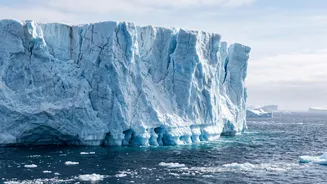
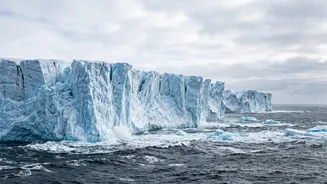
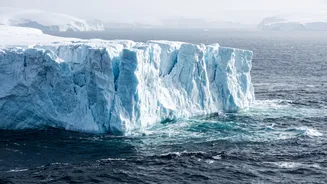
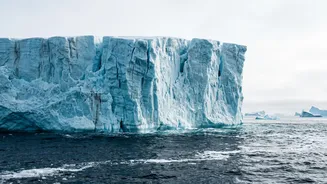
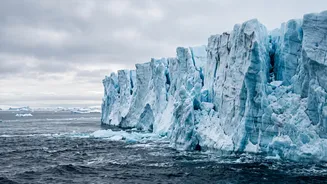
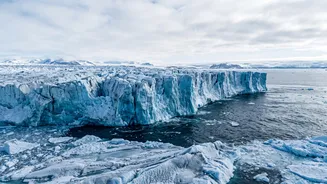
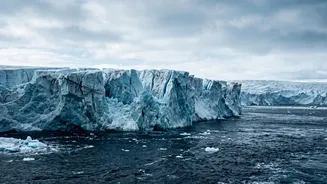
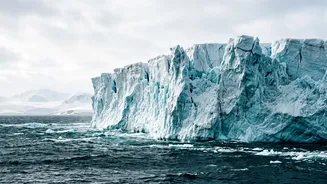
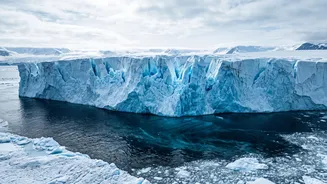
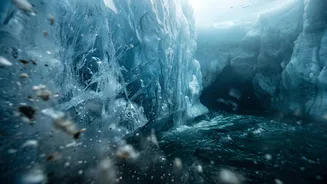
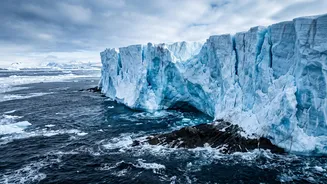
Thwaites Glacier, located in West Antarctica, is one of the largest and fastest-changing glaciers on Earth. It's immense, covering an area roughly the size of Great Britain. Scientists have nicknamed it the 'Doomsday Glacier' not for immediate collapse,
but because of the catastrophic consequences its eventual loss would trigger. Thwaites currently acts like a massive natural dam, holding back the rest of the vast West Antarctic Ice Sheet. If it were to collapse entirely, it holds enough ice to raise global sea levels by an estimated 65 centimetres, or over two feet. For this reason, it is one of the most intensely studied places on the planet, with scientists racing to understand its stability.
A New, Worrying Prediction
The headline figure of a 30mm sea-level rise comes from a new study that reveals a previously underestimated process. Published in the journal Nature Communications, the research found that warm, salty ocean water is pushing several kilometres further underneath the glacier than earlier models had accounted for. This process, known as 'tidal pumping', allows the ocean to melt the glacier from its base over a much larger area. The new model, developed by researchers from the University of California, Irvine, and NASA's Jet Propulsion Laboratory, projects that this enhanced melting could cause Thwaites to contribute up to 30mm to global sea levels by 2100—roughly double the previous estimates. Alarmingly, researchers noted this could happen even without any additional global warming beyond recent conditions.
What 30mm Means For India
While 30 millimetres, or about 1.2 inches, might not sound like much, it represents a significant threat to coastal nations, and India is exceptionally vulnerable. With a coastline stretching approximately 7,500 kilometres, even small increases in sea level have compounding effects. This added water level will dramatically increase the frequency and severity of coastal flooding during storm surges and high tides in cities like Mumbai, Chennai, Kolkata, and Kochi. It also leads to coastal erosion, threatening homes and infrastructure, and saltwater intrusion, which contaminates freshwater sources and renders agricultural land unusable. For the millions of Indians living in low-lying coastal zones, a 30mm rise is not an abstract number but a direct threat to their livelihoods and communities.
The Bigger Picture: A Point of No Return?
The real fear among scientists is not just the 30mm rise by 2100, but what it signifies. Thwaites' connection to the seabed is weakening. An underwater mountain, the Mouginot Ridge, currently helps to pin the glacier in place and slow its slide into the ocean. The new simulations show a roughly 60% chance that the glacier could detach from this ridge by 2100, with some models suggesting it could happen as early as the late 2030s. If that happens, the glacier's retreat could accelerate dramatically. Some recent research from the British Antarctic Survey suggests that Thwaites is so unstable that it may have already passed a tipping point, committing it to continued ice loss for at least the next 150 years, even if ocean warming were to stop completely. Its total collapse would trigger a wider destabilisation of the entire West Antarctic Ice Sheet, which holds enough ice to raise seas by several metres.